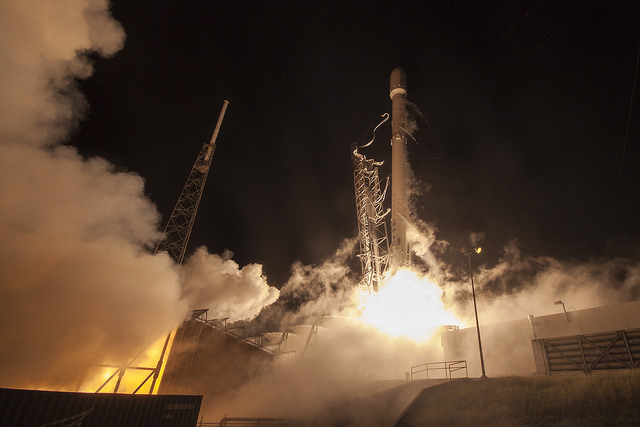
SpaceX’s Falcon 9 rocket is set for liftoff from Cape Canaveral on Tuesday, heading due east over the Atlantic Ocean to deliver the South Korean Anasis 2 military communications satellite into orbit around 32 minutes later.
The 229-foot-tall (70-meter) rocket is poised for launch from pad 40 at Cape Canaveral Air Force Station in Florida during a launch window Monday opening at 5 p.m. EDT (2100 GMT) and closing at 8:55 p.m. EDT (0055 GMT).
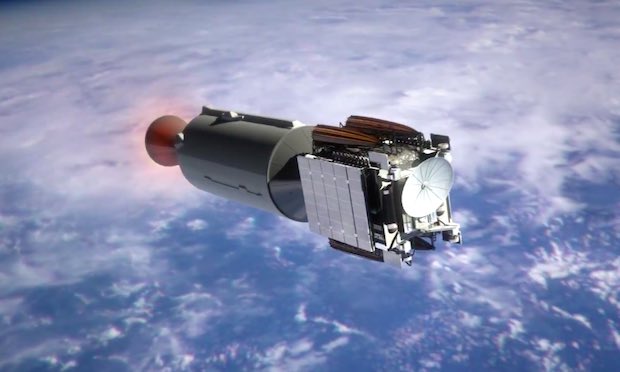
Perched atop the rocket is the Anasis 2 communications satellite, a spacecraft manufactured by Airbus Defense and Space in Toulouse, France, and owned by the South Korean military.
After deployment from the upper stage of the Falcon 9 rocket in an elliptical transfer orbit, the Anasis 2 spacecraft will use its on-board hydrazine-fueled engine to boost itself into a circular geostationary orbit more than 22,000 miles (nearly 36,000 kilometers) over the equator.
Based on Airbus’s Eurostar E3000 satellite design, Anasis 2 “will provide secured communications over wide coverage,” Airbus said in a statement.
The Falcon 9 first stage booster set to loft the Anasis 2 payload has one previous flight to its credit. It launched May 30 with NASA astronauts Doug Hurley and Bob Behnken on the first test flight of SpaceX’s Crew Dragon spacecraft with people on-board.
The timeline below outlines the launch sequence for the Falcon 9 flight with Anasis 2.
Data source: SpaceX
T-0:00:00: Liftoff
After the rocket’s nine Merlin engines pass an automated health check, hold-down clamps will release the Falcon 9 booster for liftoff from pad 39A.
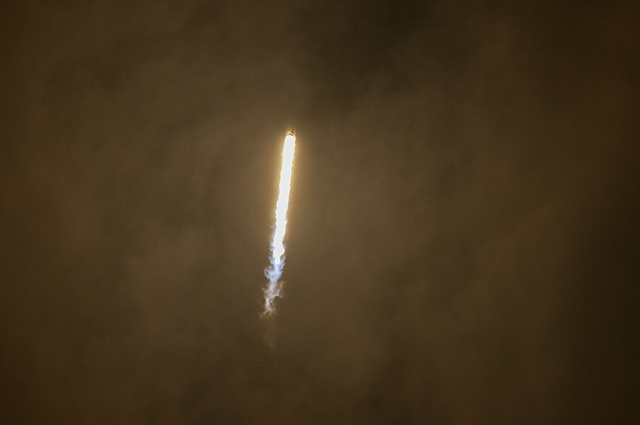
T+0:01:00: Mach 1
The Falcon 9 rocket reaches Mach 1, the speed of sound, as the nine Merlin 1D engines provide more than 1.7 million pounds of thrust.
T+0:01:12: Max Q
The Falcon 9 rocket reaches Max Q, the point of maximum aerodynamic pressure.
T+0:02:32: MECO
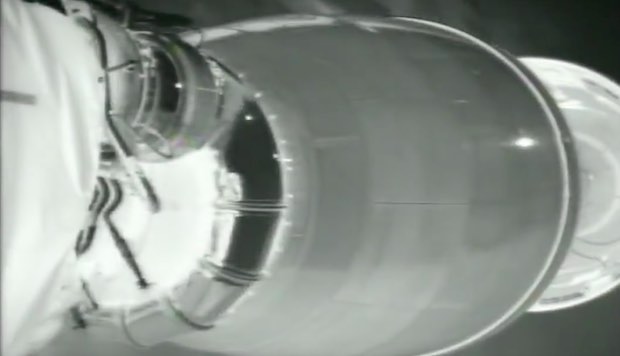
The Falcon 9’s nine Merlin 1D engines shut down.
T+0:02:36: Stage 1 Separation
The Falcon 9’s first stage separates from the second stage moments after MECO.
T+0:02:43: First Ignition of Second Stage
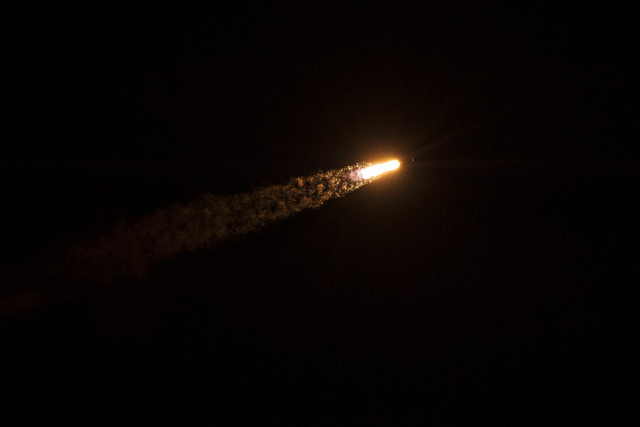
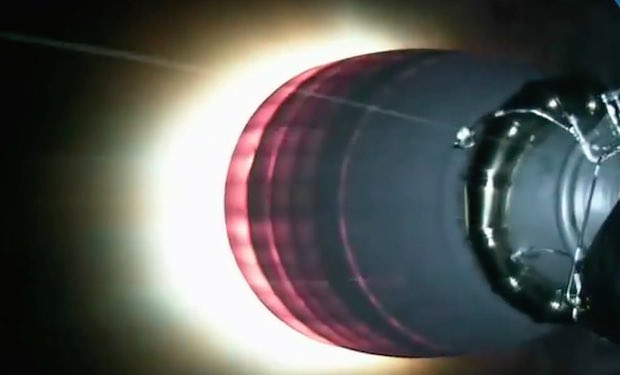
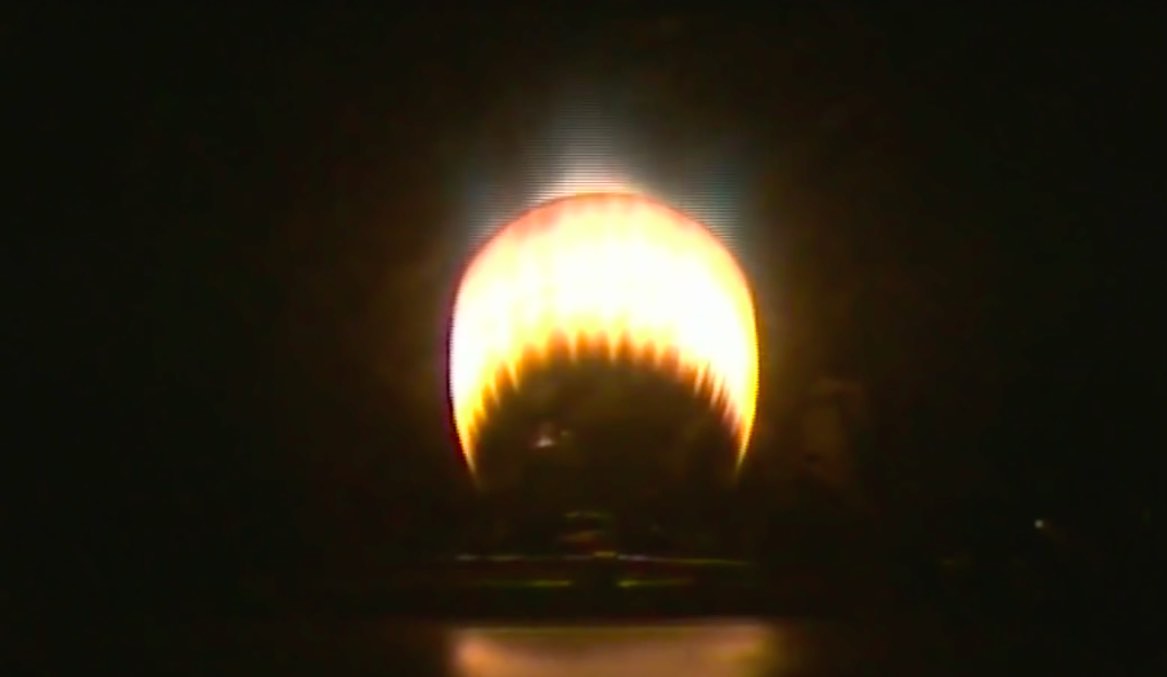
The second stage Merlin 1D vacuum engine ignites for a five-and-a-half-minute burn to put the rocket and Anasis 2 spacecraft into a preliminary parking orbit.
T+0:03:34: Fairing Jettison
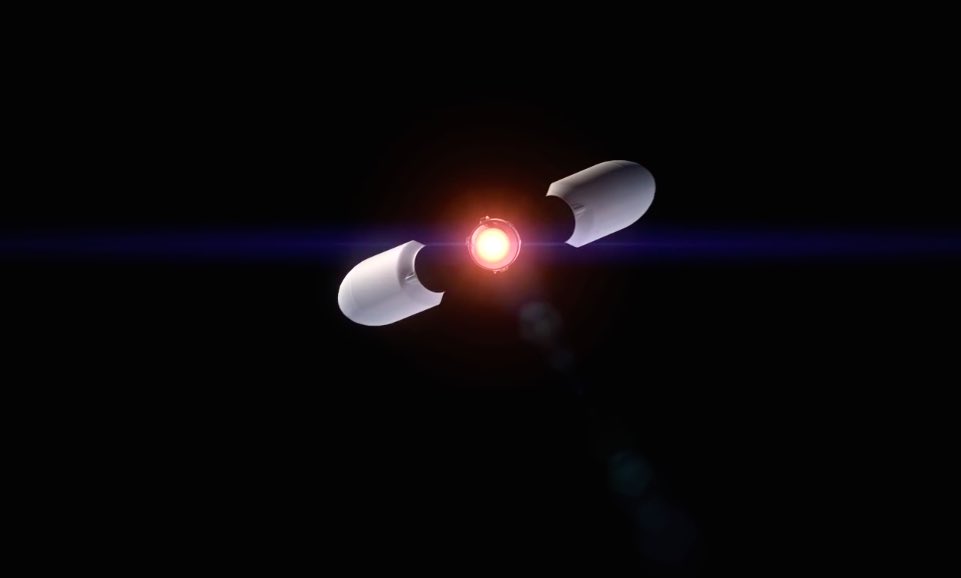
The 5.2-meter (17.1-foot) diameter payload fairing jettisons once the Falcon 9 rocket ascends through the dense lower atmosphere. The 43-foot-tall fairing is made of two clamshell-like halves composed of carbon fiber with an aluminum honeycomb core.
T+0:06:46: Stage 1 Entry Burn Complete
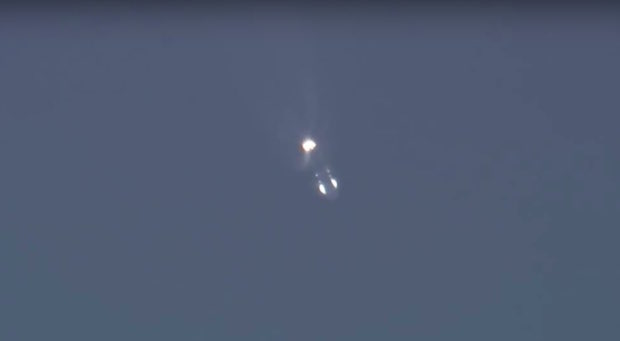
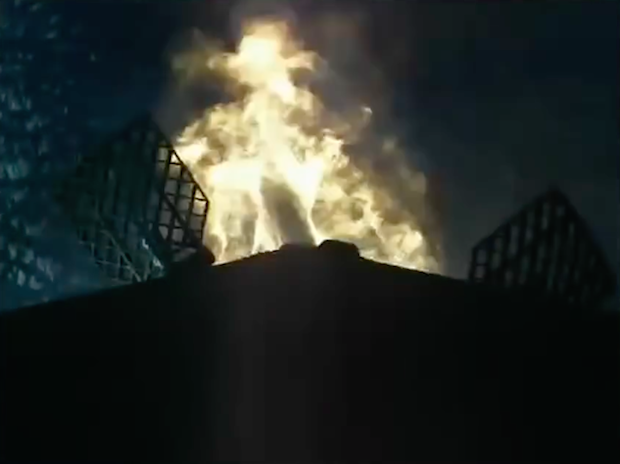
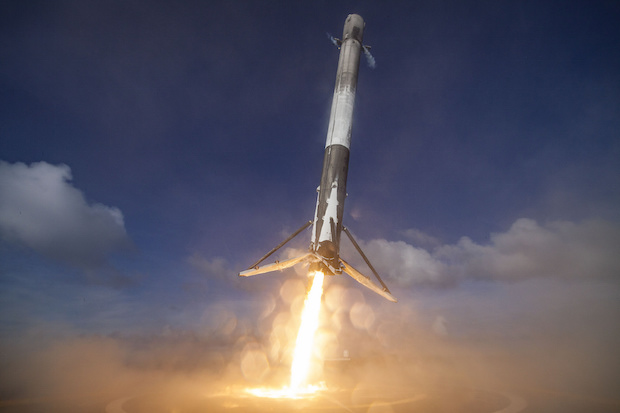
A subset of the first stage’s Merlin 1D engines complete an entry burn to slow down for landing. A final landing burn will occur just before touchdown.
T+0:08:06: SECO 1
The second stage of the Falcon 9 rocket shuts down after reaching a preliminary low-altitude orbit. The upper stage and Anasis 2 begin a coast phase scheduled to last more than 18 minutes before the second stage Merlin vacuum engine reignites.
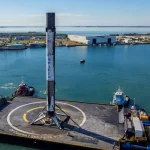
T+0:08:31: Stage 1 Landing
The Falcon 9 rocket’s first stage booster touches down on SpaceX’s drone ship in the Atlantic Ocean.
T+0:26:32: Second Ignition of Second Stage
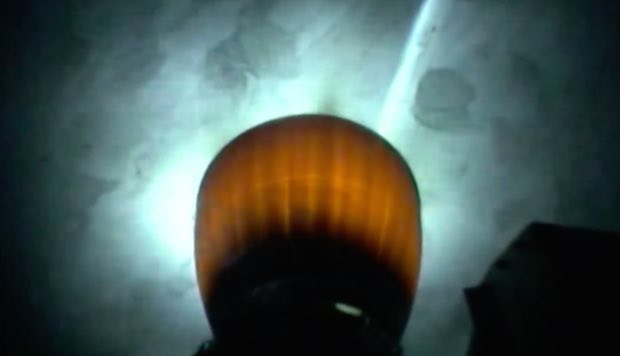
The Falcon 9’s second stage Merlin engine restarts to propel the Anasis 2 communications satellite into an elliptical transfer orbit.
T+0:27:28: SECO 2
The Merlin engine shuts down after a short burn to put the Anasis 2 satellite in the proper elliptical orbit for deployment.
T+0:32:29: Anasis 2 Separation
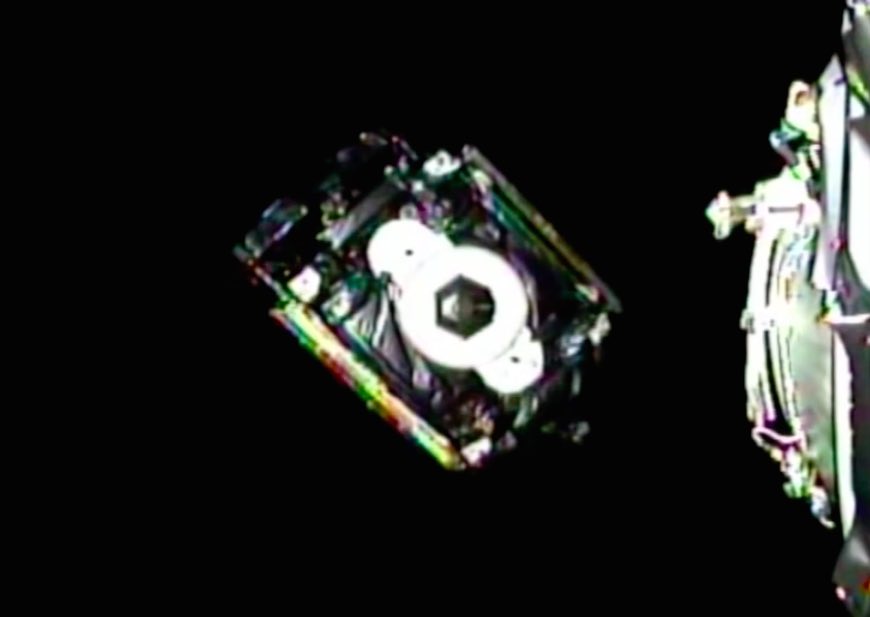
The Anasis 2 satellite separates from the Falcon 9 rocket into an elliptical transfer orbit, on the way to a perch in geostationary orbit.
References to third-party companies, products, services, or projects are for informational purposes only and do not imply endorsement, affiliation, or partnership unless explicitly stated.