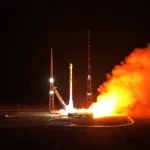
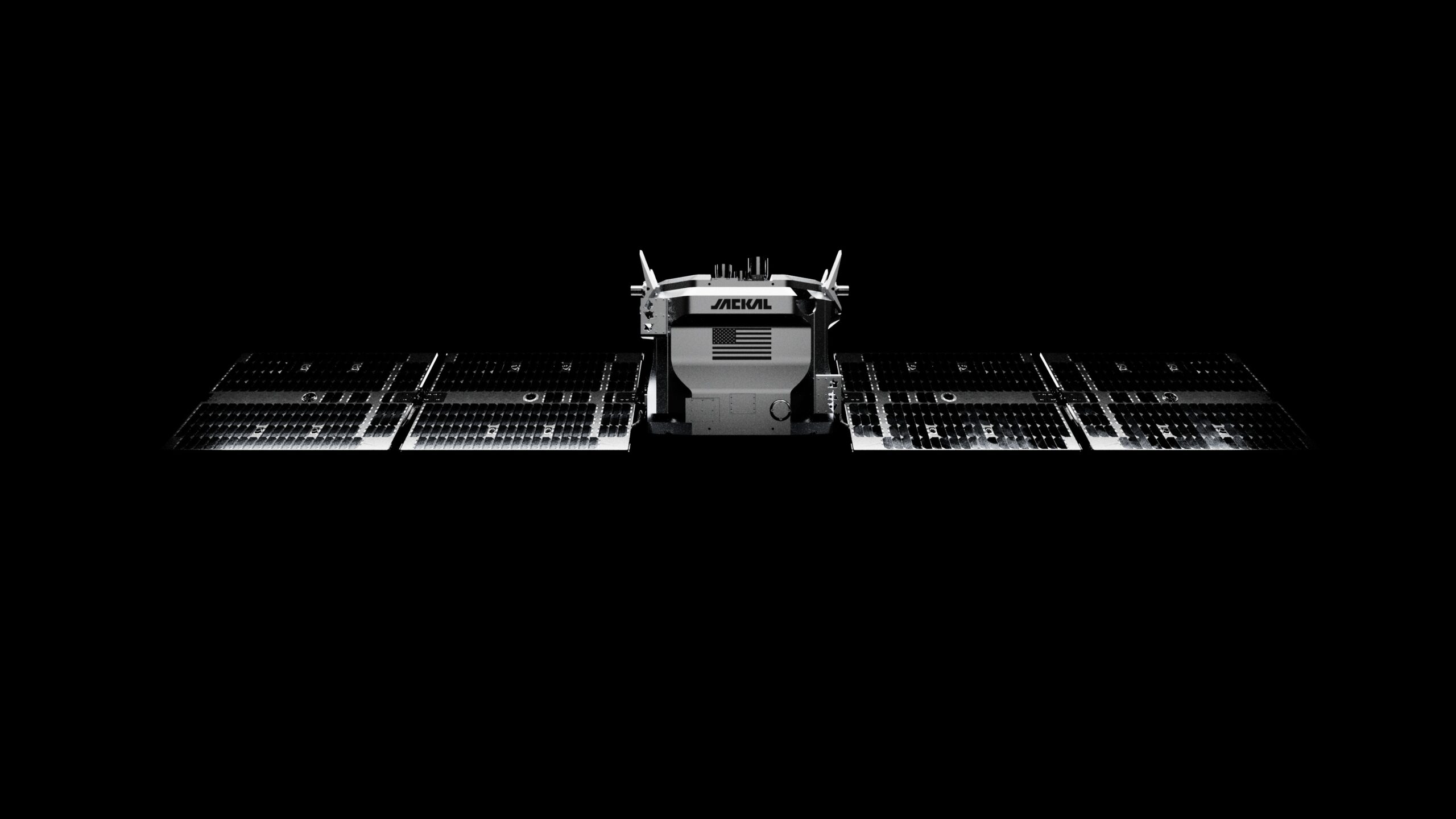
True Anomaly has successfully completed all objectives for its Mission X-3 flight test campaign, marking a major milestone for the company’s autonomous orbital vehicle, Jackal, and clearing the final steps toward full operational commissioning.
Mission X-3 represents the third and most advanced self-funded demonstration mission conducted by the Colorado-based aerospace company. The campaign focused on validating Jackal’s ability to perform end-to-end uncooperative rendezvous and proximity operations (RPO), capabilities considered critical for future space domain awareness and orbital security missions.
Jackal Demonstrates Advanced Orbital Operations
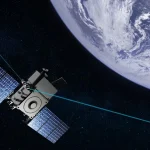
According to True Anomaly, the Mission X-3 campaign successfully validated a range of key spacecraft capabilities, including open-loop and closed-loop tracking of resident space objects, tracking of maneuvering targets during simultaneous spacecraft maneuvers, propulsion system commissioning, and trajectory-changing operations.
The mission also improved the robustness of onboard GPS navigation systems to better withstand signal interference and operational challenges in orbit.
“Mission X-3 really demonstrated the capabilities that the Space Force needs across a variety of programs,” said Even Rogers, CEO and co-founder of True Anomaly.
“When we designed Jackal and Mosaic, we designed it explicitly for orbital-warfare and space-domain-awareness missions. Now we’ve demonstrated several of the concepts of operations and key capabilities that are core to those missions and those future programs.”
Strengthening Space Domain Awareness Capabilities
The company said Mission X-3 also highlighted the performance of its Mosaic mission software platform, which works alongside Jackal to support autonomous decision-making and spacecraft operations.
The successful demonstrations provide additional validation for technologies intended to support future military and national security missions in increasingly congested orbital environments.
“We’ve established this incredible operating rhythm, trust, and cohesion between the flight-operations team and the engineering team over the last month and a half,” Rogers said.
“That has created a feedback loop into engineering and product development that also sets us up for future missions.”
Preparing for Future Space Force Programs
Following the completion of Mission X-3, True Anomaly plans to continue expanding Jackal’s capabilities through additional demonstrations, including future operations in geostationary orbit (GEO) and cislunar space.
The milestone comes shortly after the company secured a $650 million Series D funding round in April and as it prepares to execute several major US Space Force contracts.
Among them is the VICTUS HAZE mission, where Jackal will demonstrate rendezvous and proximity operation tactics alongside Rocket Lab as part of a tactically responsive space initiative.
The company is also participating in the Andromeda program, which aims to develop next-generation geosynchronous surveillance and reconnaissance capabilities, and the Golden Dome missile defense initiative, where True Anomaly is one of 12 companies selected to develop space-based interceptor technologies.
Focus Shifts to Operational Delivery
With key technology demonstrations now completed, the company’s focus is shifting toward delivering operational systems and scaling production to meet upcoming government requirements.
“It’s really about product delivery and scale,” Rogers said.
“We have major contract deliveries over the next 12 to 18 months that are major inflection points for the business—and demonstrate our ability to be a multi-product company, delivering warfighting capabilities that work in the environment operationally. That’s the thing that we’re most focused on.”
The successful completion of Mission X-3 positions True Anomaly to move from technology demonstration toward operational deployment as demand grows for advanced orbital awareness, surveillance and maneuvering capabilities in space.