Voyager Technologies has agreed to acquire lunar exploration company Astrobotic Technology in a transaction valued at up to approximately $300 million, as the space infrastructure company seeks to expand its role in supporting future lunar missions and long-term Moon operations.
The deal, which is expected to close by early July 2026 pending regulatory approvals, will combine Voyager’s space infrastructure portfolio with Astrobotic’s lunar landing, power, and mission delivery capabilities.
The consideration will be paid through a combination of cash and stock and includes potential contingent payments tied to future milestones.
Expanding Lunar Infrastructure Capabilities
Voyager said the acquisition is a key component of its strategy to build a comprehensive lunar infrastructure platform capable of supporting recurring missions to the Moon.
Astrobotic, based in Pittsburgh, Pennsylvania, is best known for developing commercial lunar landers, lunar power systems, and reusable rocket technologies.
The acquisition adds lunar surface delivery capabilities to Voyager’s growing portfolio of space technologies and services.
“We are building the infrastructure foundation that will make America’s permanent presence on the Moon a reality,” said Dylan Taylor, chairman and chief executive of Voyager.
“Achieving that vision requires robust operational systems that match the resilience necessary for critical, repeatable missions. With Astrobotic, Voyager is now a lunar platform that will have capability at every infrastructure layer needed to put Americans on the lunar surface and keep them there.”
Supporting Future Lunar Missions
Voyager said the transaction aligns with broader U.S. lunar exploration objectives, including NASA’s Artemis program and plans aimed at establishing a sustained human presence on the Moon.
The company intends to increase investment in Astrobotic’s lunar transportation and reusable rocket programs following completion of the acquisition.
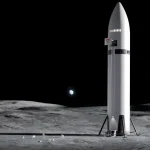
Astrobotic’s technologies include the Peregrine and Griffin lunar landers, which are designed to transport scientific instruments, commercial payloads, and infrastructure to the lunar surface.
The company is also developing LunaGrid, a solar-powered energy distribution system intended to support future lunar operations.
Building a Broader Moon Ecosystem
The acquisition complements Voyager’s recent investment in Max Space, a company developing expandable habitat technologies for space and lunar environments.
Combined, the companies’ capabilities are expected to cover multiple elements of future lunar infrastructure, including mission management, communications, propulsion, lunar transportation, power generation, habitation systems, dust mitigation technologies, and resource utilization.
Voyager said the integrated platform is intended to support long-duration lunar operations and future commercial opportunities beyond Earth orbit.
Astrobotic to Remain at Core of Lunar Program
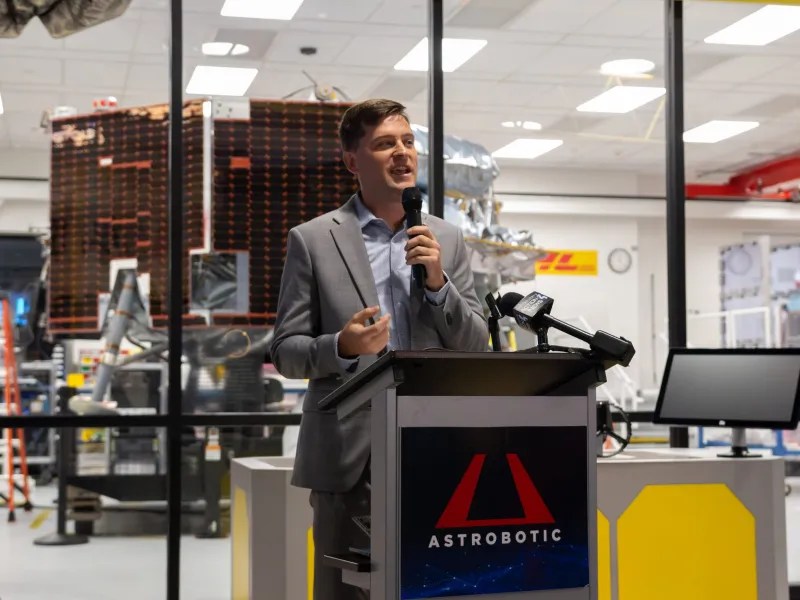
Astrobotic Chief Executive John Thornton said the transaction provides the company with additional resources to advance its long-term objectives.
“Astrobotic was built to prove that commercial companies can deliver to the Moon.”
“Joining Voyager gives that mission the scale and long-term commitment it has been building toward for nearly two decades. Our team, our technology and our homes in Pittsburgh and Mojave remain at the center of what we are building.”
Following completion of the acquisition, Astrobotic’s operations will become part of Voyager’s lunar business unit.
The company’s headquarters in Pittsburgh will serve as the center of Voyager’s lunar program.
Griffin Mission One Continues
Voyager said Astrobotic’s Griffin Mission One remains on schedule and will continue under the new ownership structure.
The mission is part of NASA’s Moon Base II initiative and is intended to support the agency’s broader lunar exploration goals.
The acquisition highlights increasing consolidation within the commercial space sector as companies seek to assemble the technologies and capabilities required for future lunar exploration, infrastructure development, and long-term human presence beyond Earth.