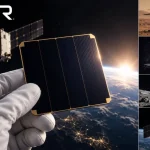
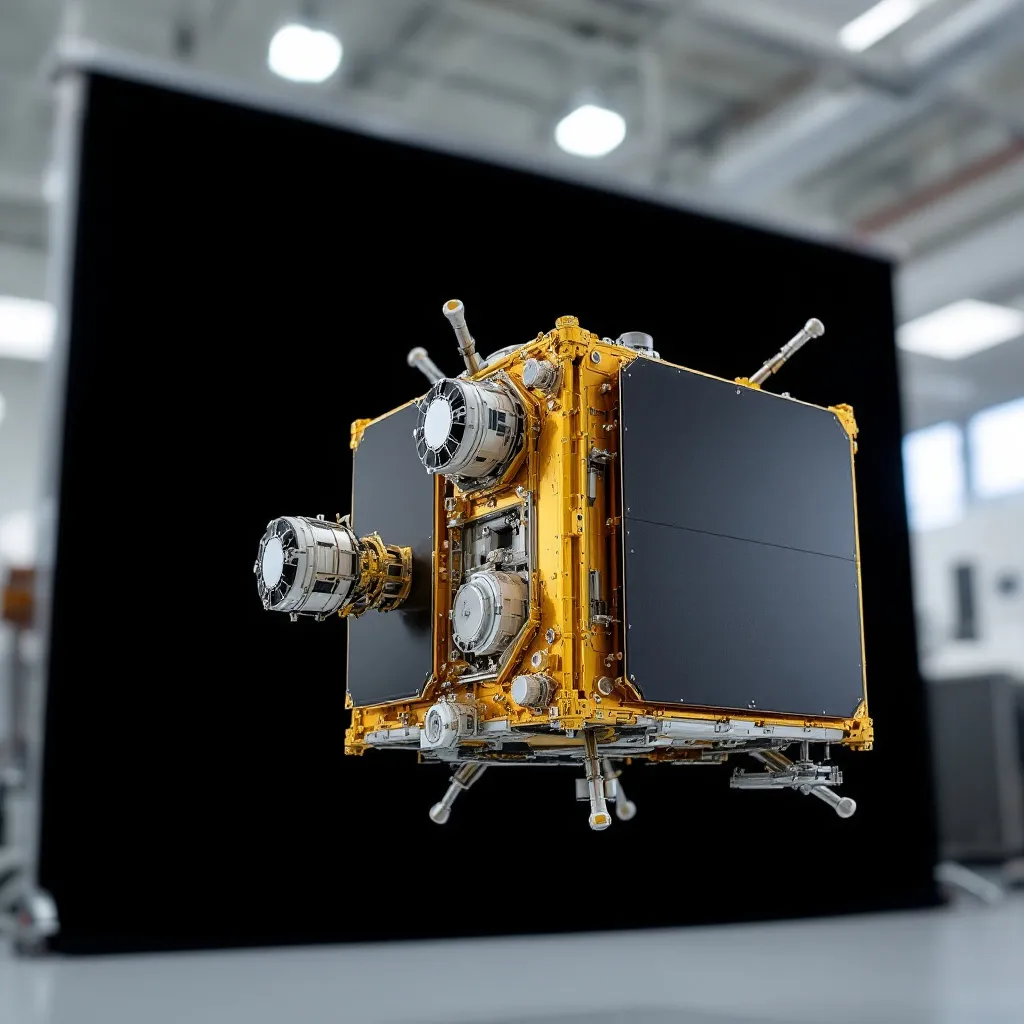
NASA has manifested its shoebox-sized Green Propulsion Dual Mode satellite, known as GPDM, for an upcoming SpaceX rideshare launch. The spacecraft will conduct a nine-month orbital demonstration of a low-toxicity, dual-mode propulsion system that could provide small satellites with a safer alternative to conventional hydrazine-based propulsion.
The mission will move technology studied at NASA’s Marshall Space Flight Center in Huntsville, Alabama, for at least a decade from ground-based research toward flight qualification. Marshall will manage the on-orbit demonstration, monitoring whether the propellant and propulsion hardware operate as intended in the space environment.
GPDM’s propulsion system is designed to perform two propulsion functions using the same green propellant. Consolidating those functions around a common propellant could reduce the complexity associated with spacecraft that otherwise require separate propulsion technologies or consumables. The flight will provide operational data that cannot be fully replicated through laboratory testing, including system behavior in microgravity and long-duration exposure to orbital conditions.
NASA has not disclosed the rideshare mission’s launch date in the information released with the announcement.
Hydrazine remains widely used for satellite maneuvering, attitude control and orbit maintenance because it can be stored for long periods and decomposes reliably when passed through a catalyst. However, the chemical is highly toxic and requires specialized protective equipment, controlled fueling facilities and stringent handling procedures.
Those requirements increase spacecraft processing costs and can complicate launch-site operations, particularly for small satellites whose propulsion systems account for only a limited portion of the overall mission budget. Lower-toxicity propellants could simplify ground handling and reduce the infrastructure and personnel needed during fueling, although any replacement must first demonstrate dependable ignition, storage stability and repeatable performance in orbit.
The GPDM campaign is intended to help close that qualification gap. Space propulsion technologies typically face a lengthy path from laboratory development to operational adoption because a malfunction can prevent orbit raising, collision avoidance, deorbiting or other mission-critical maneuvers. Even technologies that perform successfully during ground testing generally require flight heritage before satellite manufacturers and mission operators will accept them for operational spacecraft.
The satellite’s compact size also makes it suited to a rideshare mission, in which multiple payloads share a single launch vehicle. SpaceX’s rideshare flights have expanded access to orbit for technology demonstrations by allowing small spacecraft to launch without purchasing a dedicated rocket. For GPDM, the arrangement provides a path to collect flight data while keeping the demonstration spacecraft relatively small.
A successful mission would not immediately eliminate hydrazine, which has decades of operational heritage across government and commercial spacecraft. It could, however, advance the dual-mode system toward wider use on small satellites and support future missions seeking to reduce hazardous ground-processing requirements.
The next milestones will be the SpaceX rideshare launch and commissioning of GPDM in orbit. NASA will then use the nine-month demonstration to evaluate whether the common low-toxicity propellant and dual-mode propulsion architecture can perform reliably enough to support subsequent qualification and adoption.