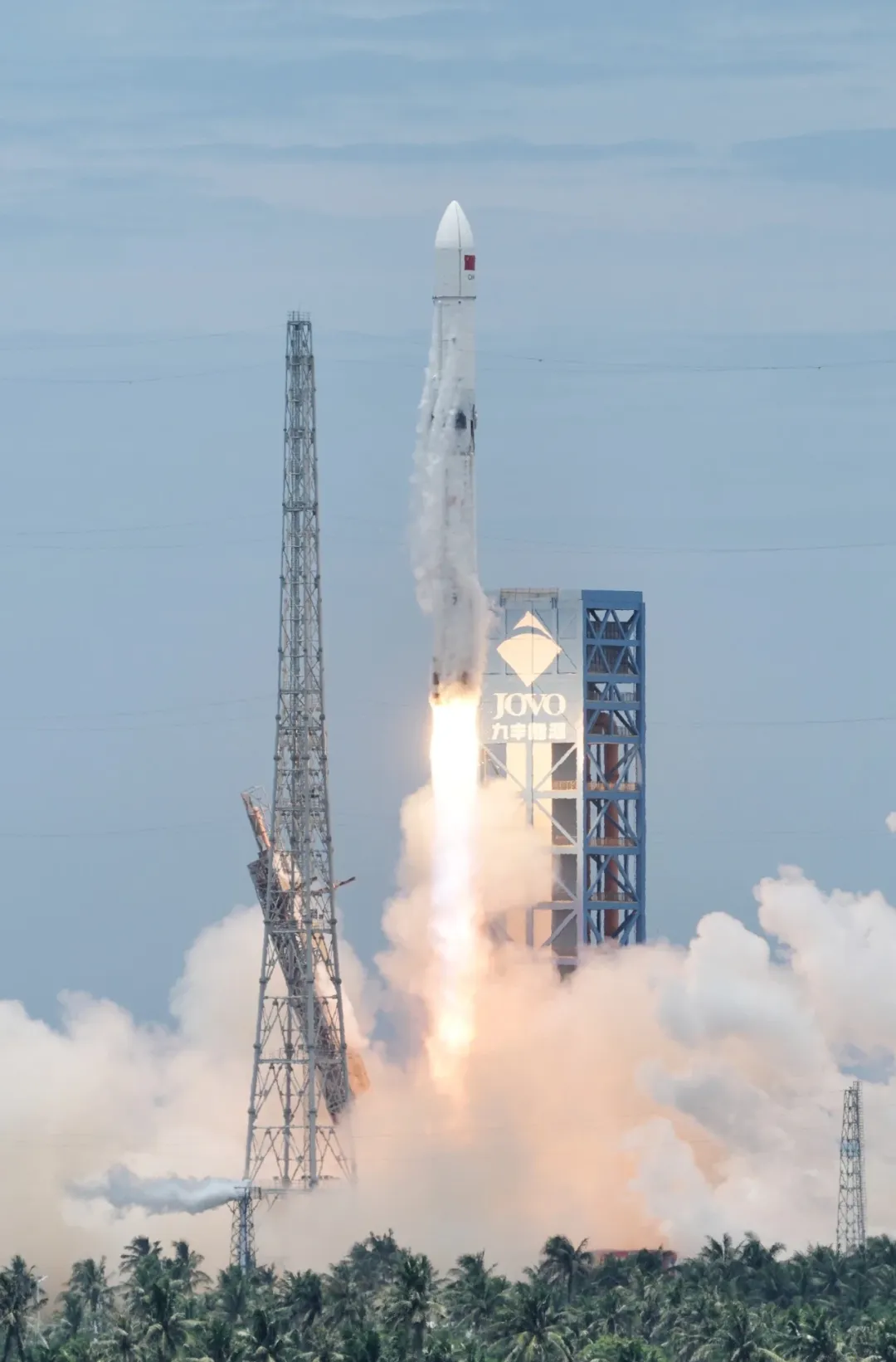
On August 19, the Zhuque-3 Y2 launch vehicle lifted off from the Dongfeng Commercial Space Innovation Pilot Zone. Its first stage successfully landed as planned at the Zhuque-3 landing site in Minqin County, Gansu Province. The mission marked another major breakthrough for China in key reusable-rocket technologies, making Zhuque-3 the country’s first launch vehicle to reach orbit and achieve a land-based recovery.
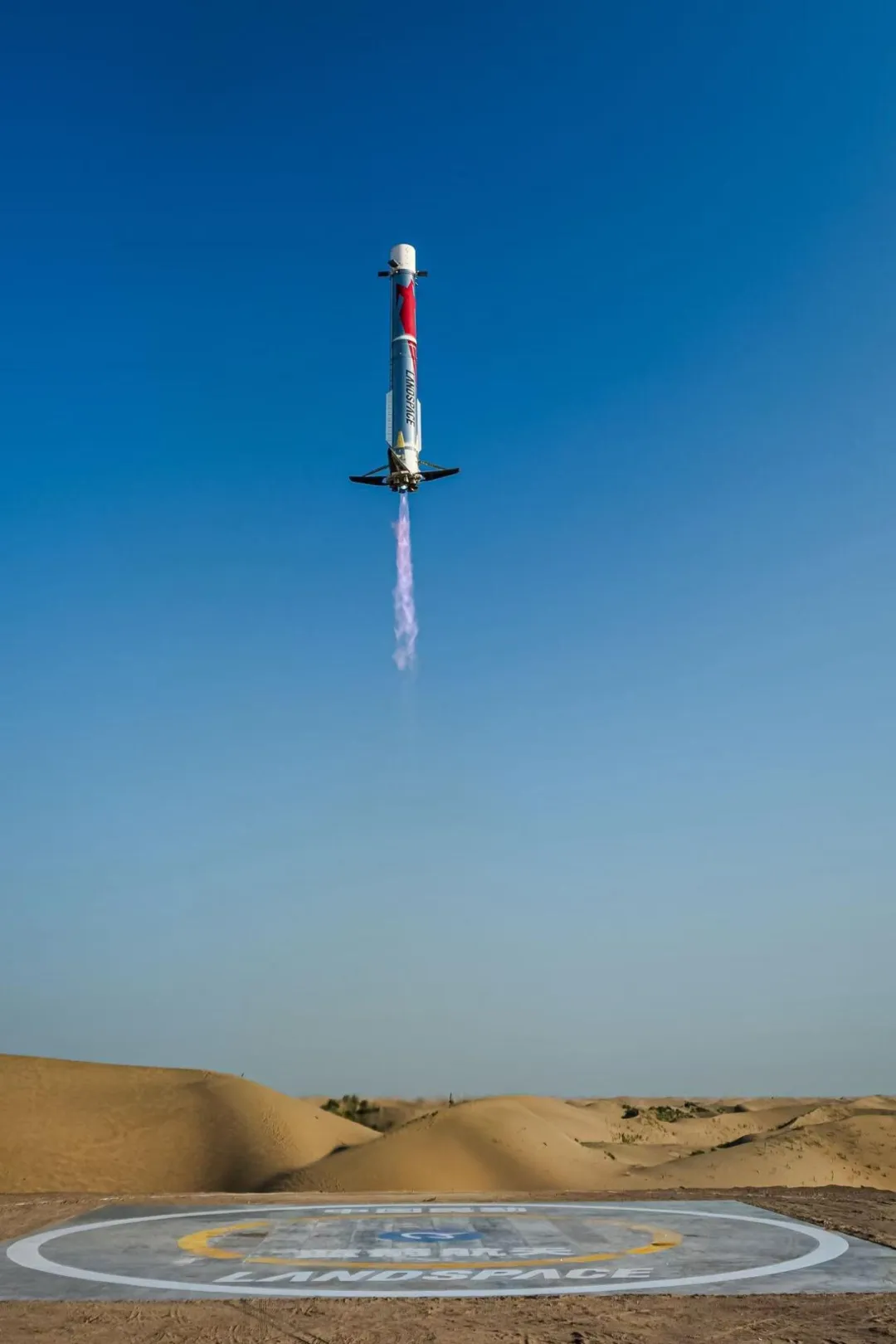
In addition to the land-based soft landing on deployable legs used by Zhuque-3, two other major rocket recovery methods are currently being pursued worldwide: sea-based cable-net capture and launch-tower capture using mechanical arms, commonly known as “chopsticks.” What distinguishes these three approaches?
The fundamental differences among the three methods for recovering rocket first stages lie in the structure used to absorb the landing forces and capture the vehicle, the recovery location, and the required landing precision.
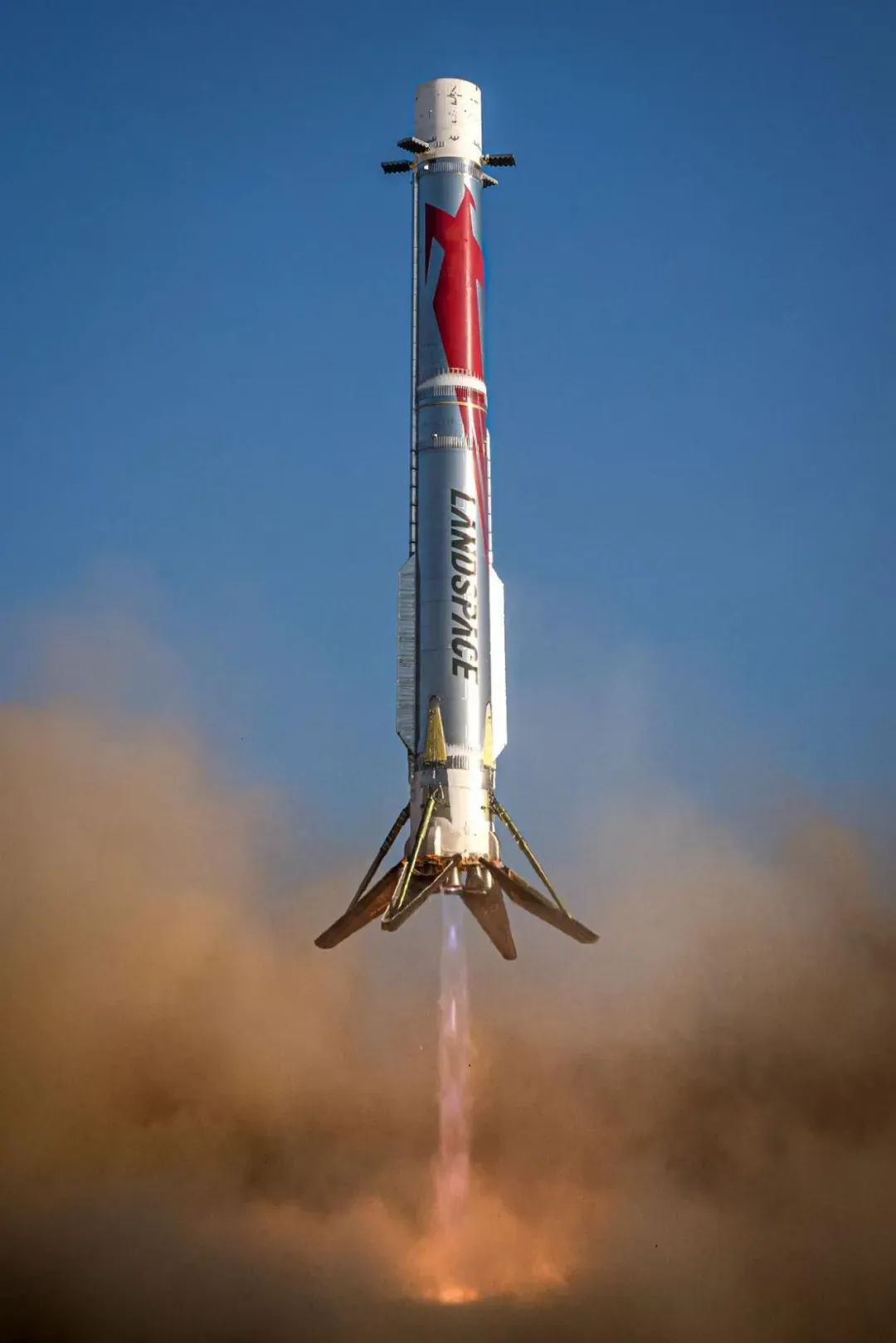
Zhuque-3’s main landing legs, which extend to more than seven meters, are essential to its safe recovery. During launch and flight, they must remain tightly folded against the rocket body and withstand intense aerodynamic and mechanical loads. At the moment of touchdown, they must deploy and lock precisely while absorbing the enormous energy generated by a vehicle weighing more than 100 metric tons.
With this method, the shock-absorption and support structures are installed on the rocket itself, allowing it to stand on its own legs after landing on the ground or an offshore platform. The technology is relatively mature, but the landing legs add weight to the vehicle and reduce its payload capacity.
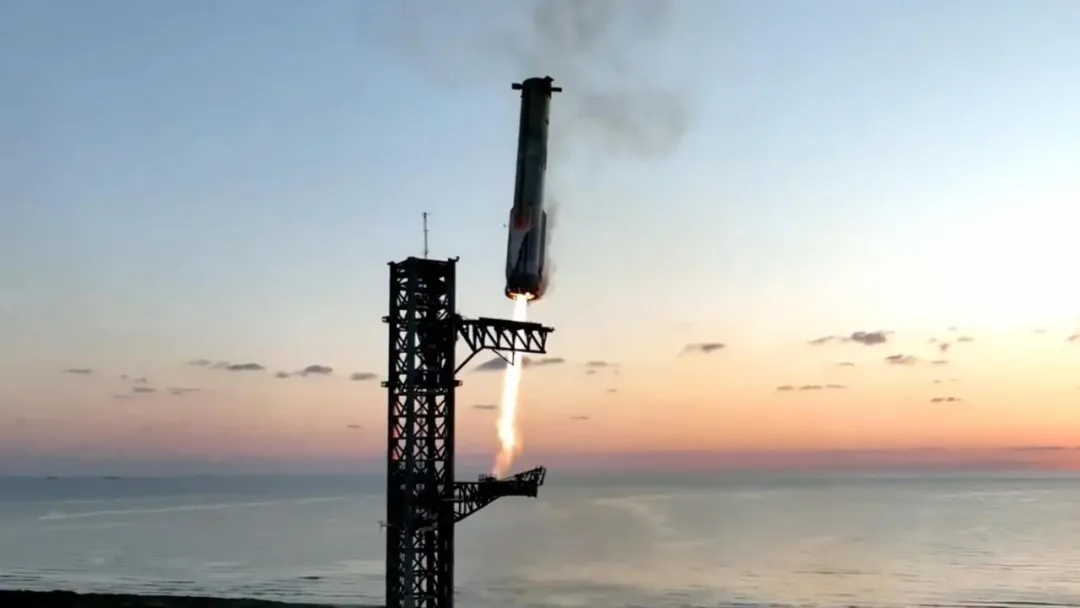
The “chopstick” method, in which launch-tower mechanical arms catch the rocket, places extremely high demands on flight-control precision and hovering capability. Even a minor error could cause the rocket to topple onto the tower or explode.
This approach uses enormous rigid arms mounted on the launch tower to catch the vehicle in midair. Because the rocket does not need landing legs, it could potentially be prepared for another flight more quickly. However, the method requires exceptionally precise descent control and restricts recovery to the launch site.
China’s Long March 10B completed the world’s first cable-net recovery of a rocket stage. Its recovery system uses coordinated equipment on the rocket and the recovery platform: four cable-engagement mechanisms on the vehicle and a grid-shaped cable-net system on the platform.
The ground-based net performs the capture, shock-absorption and stabilization functions that would otherwise require additional equipment on the rocket. This reduces the complexity and weight of onboard systems, helping increase the launch vehicle’s payload capacity.
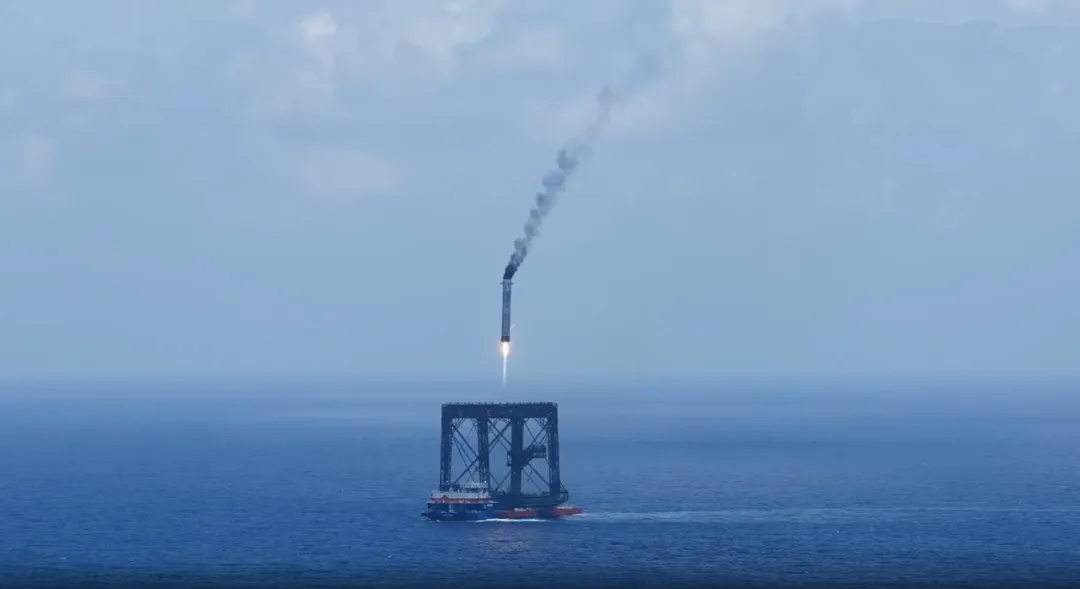
The principle is similar to the arresting cables used on aircraft carriers. The difference is that an aircraft carrier stops an aircraft moving horizontally, whereas the cable-net system catches a descending rocket vertically. A flexible net mounted on an offshore platform captures the rocket through hooks installed on its body. This approach adds relatively little structural weight to the vehicle while providing greater tolerance for deviations from the intended landing point.