
Author: starpathwp-production
-
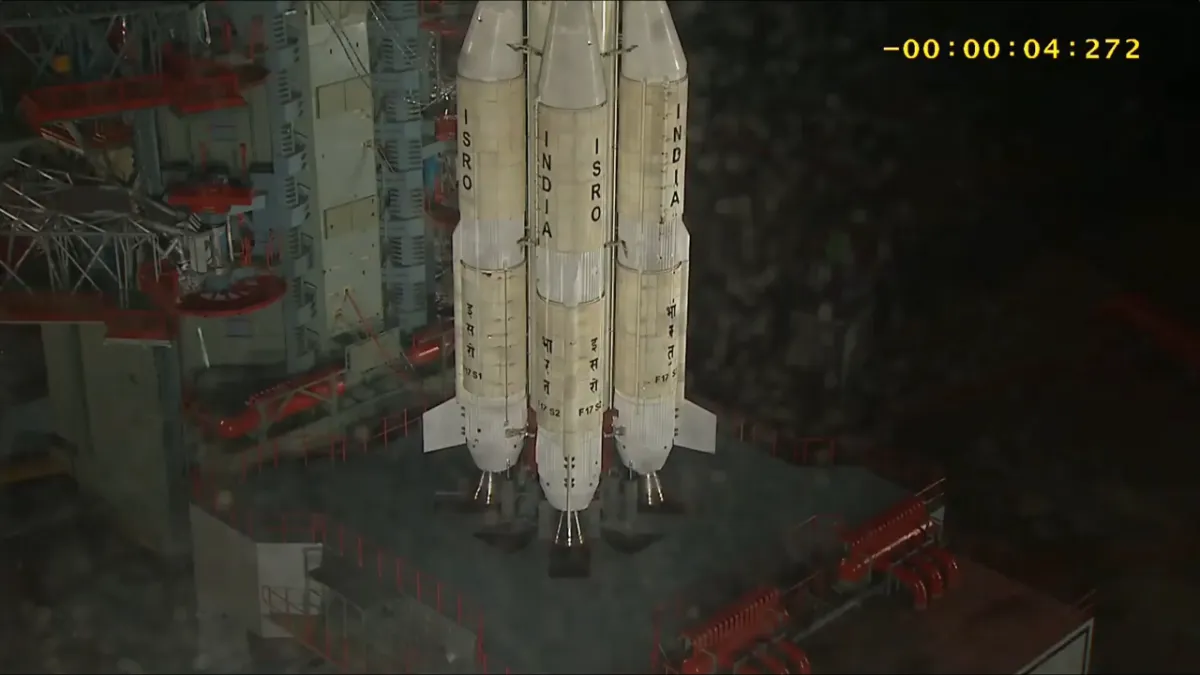
India Launches EOS-05, Its First Geosynchronous Earth-Imaging Satellite (Video)
A GSLV Mark II rocket launched the EOS-05 Earth-imaging satellite toward geosynchronous orbit — something India has never done successfully — from Satish Dhawan Space Centre on Sept. 3, 2026 at 5:25 p.m. EDT (2:55 a.m. on Sept. 4 India Standard Time). Credit: ISRO India launched EOS-05, its first Earth observation satellite designed to image…
-
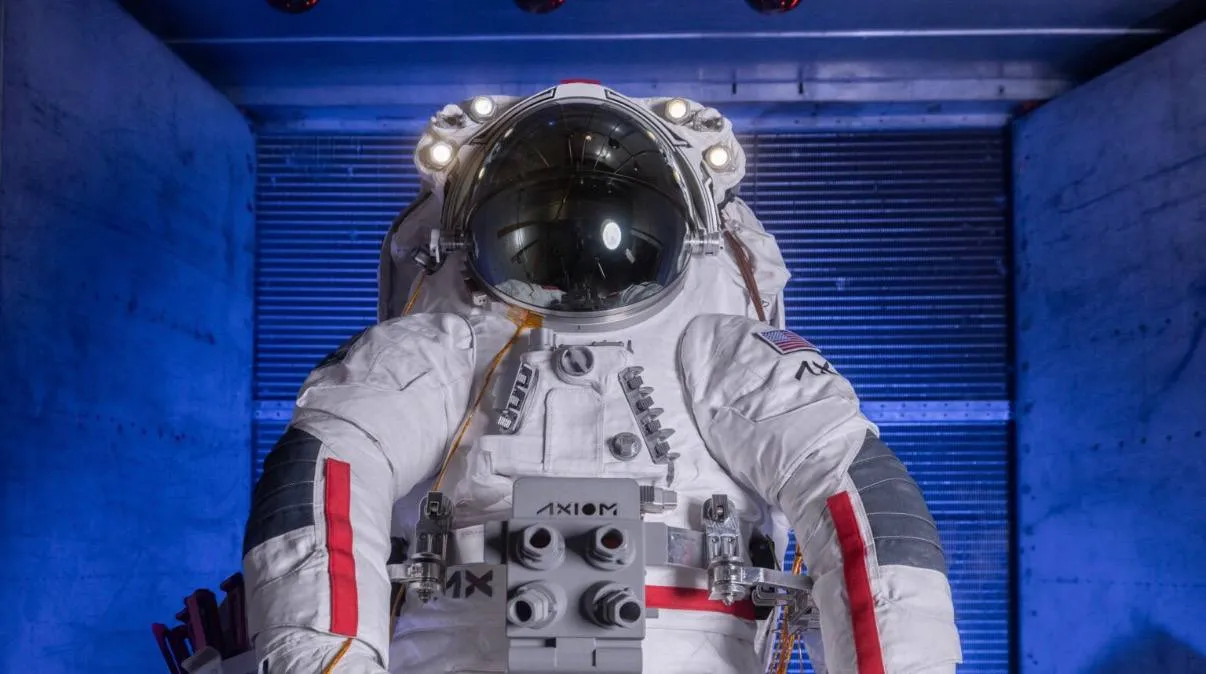
NASA Moves to Simplify Axiom Lunar Spacesuit as Artemis IV Schedule Tightens
NASA is working with Axiom Space on a lighter and less complex version of its next-generation lunar spacesuit as the agency attempts to preserve a 2028 crewed Moon landing under Artemis IV. The new configuration, referred to as the “Sortie Suit,” is intended for the first Artemis surface missions using lunar landers developed by SpaceX…
-
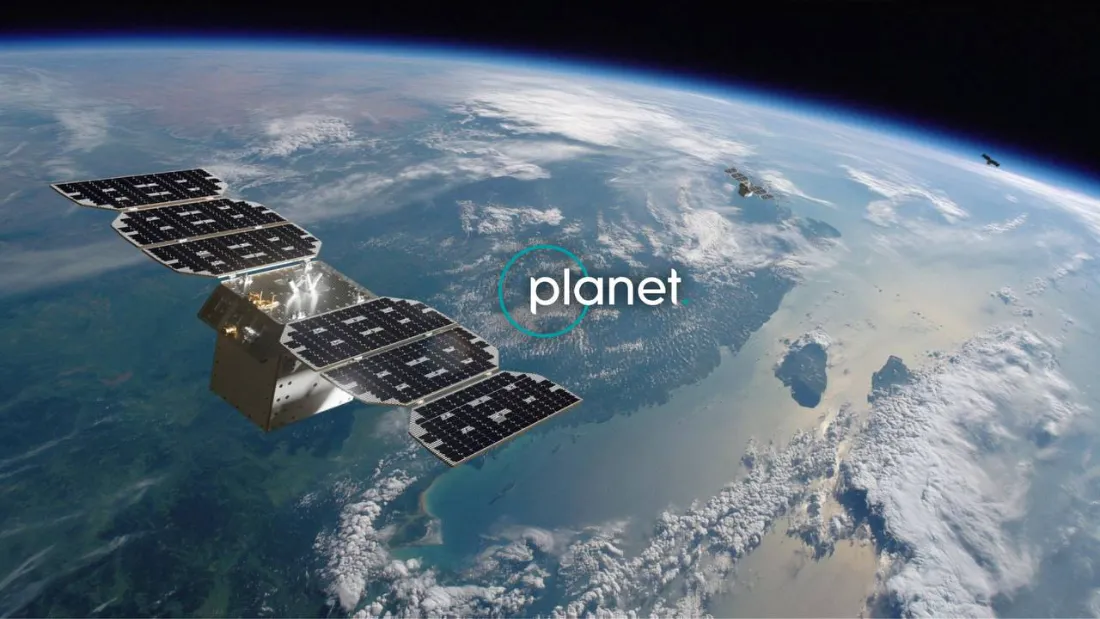
Planet Posts Record $116 Million Quarter as Sovereign Satellite Services Accelerate Growth
Planet Labs reported record quarterly revenue of $116.1 million for the second quarter of fiscal 2027, as the handover of a reconnaissance satellite to the Swedish Armed Forces and expanding defense demand lifted revenue 58% year over year. The Earth observation company announced the results on September 3 for the three months ended July 31,…
-

4iG and SpaceX Sign Agreements for Starlink Mobile and Sovereign Satellite Services in Europe
Hungarian telecommunications and defense group 4iG has signed two agreements with SpaceX covering direct-to-device mobile connectivity and secure sovereign satellite communications, establishing a framework for deploying Starlink services across Hungary and parts of the Western Balkans. The agreements were signed in Texas on September 2, 2026, by 4iG Chairman and CEO Gellért Jászai and SpaceX…
-
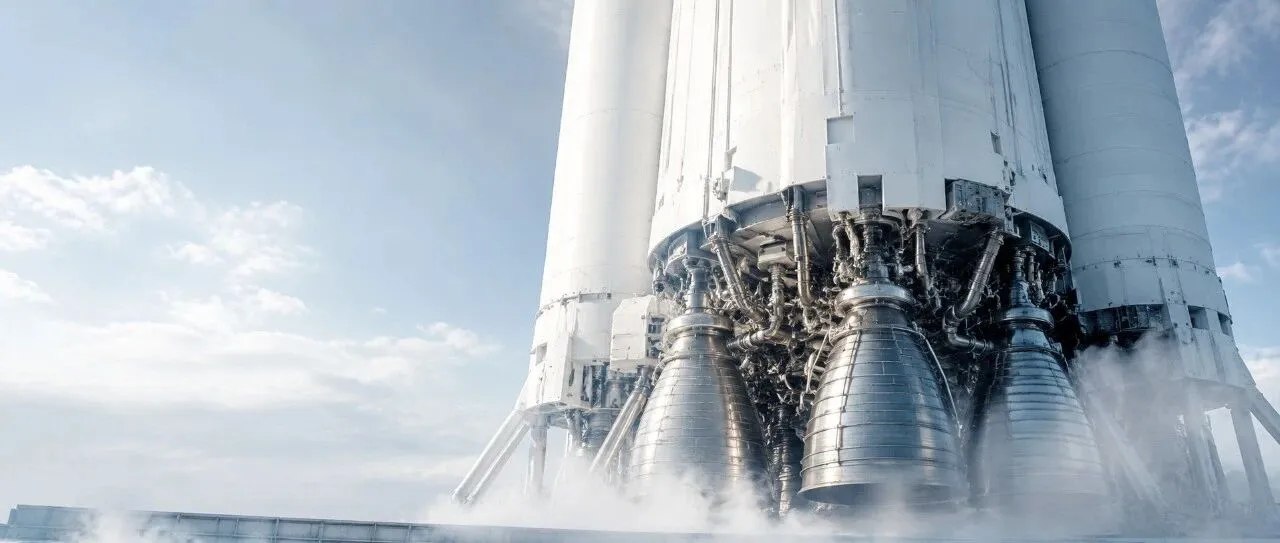
PALLAS-1 Completes Successful Maiden Flight: Why Did Galactic Energy Stick With LOX/Kerosene?
On the morning of September 1, PALLAS-1 Y1 lifted off from Jiuquan and successfully entered its planned orbit. For Galactic Energy, the mission marked not only the debut of a new launch vehicle, but also the company’s transition from small solid-fuel rockets to a medium-lift liquid-fuel rocket. The rocket also embodies a choice that is…
-

Space Computing Interview Series: GalaxySpace’s Zhang Shijie on the Problems Space Computing Is Meant to Solve
In 2026, space computing has emerged as a major new direction for the commercial space industry. But what problems is it actually intended to solve, and where is the industry heading? Hello Space has launched its Space Computing Interview Series, speaking with leading Chinese companies to examine the real progress being made in this emerging…
-
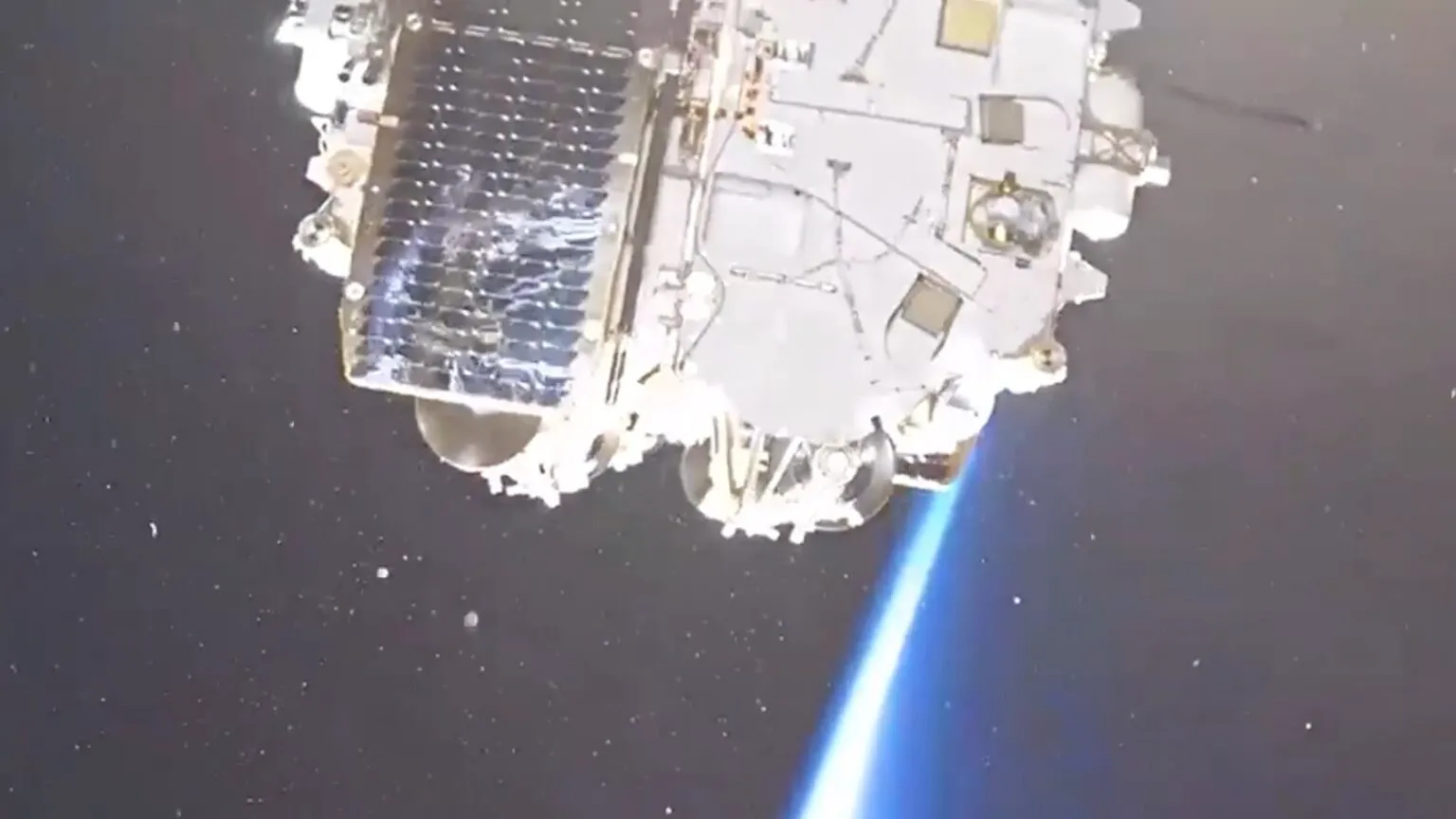
Russia’s Rassvet Broadband Constellation Faces In-Orbit Failures and Deployment Risks
Russia’s effort to build a sovereign low-Earth orbit broadband network has encountered propulsion problems and at least three probable satellite failures during the deployment of its first 32 operational Rassvet spacecraft. Bureau 1440, the Moscow-based company developing Rassvet, launched two batches of 16 satellites on March 23 and July 19, 2026. Both missions used Soyuz-2.1b…
-
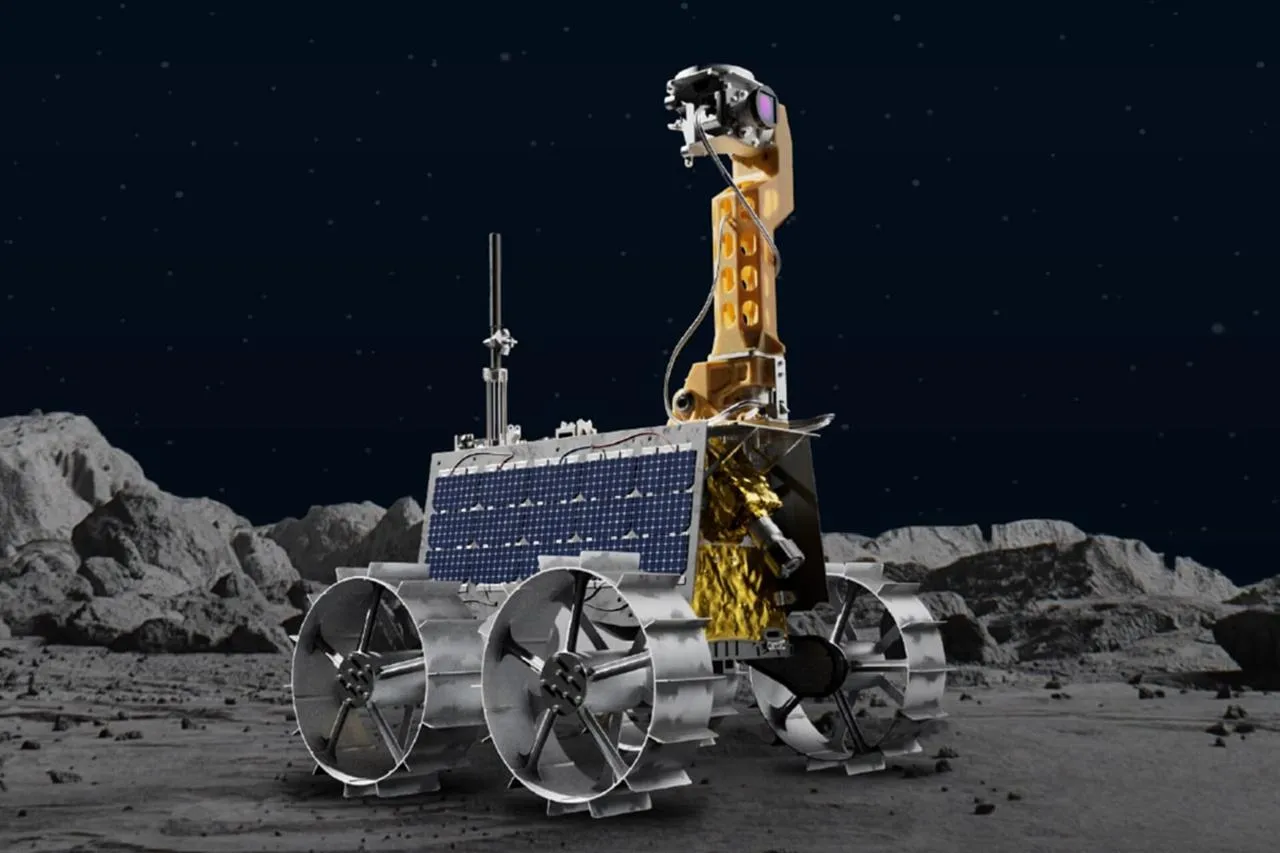
ESA and ispace-Europe Formalize €65 Million MAGPIE Lunar Ice Rover Mission
The European Space Agency and ispace-Europe have formally signed the implementation agreement for MAGPIE, a commercially led rover mission designed to investigate water ice and subsurface geology near the Moon’s south pole. The Phase 2 agreement was signed on September 1, 2026, during ESA’s Space for Inspiration event in Copenhagen, Denmark. The ceremony followed ESA’s…
-
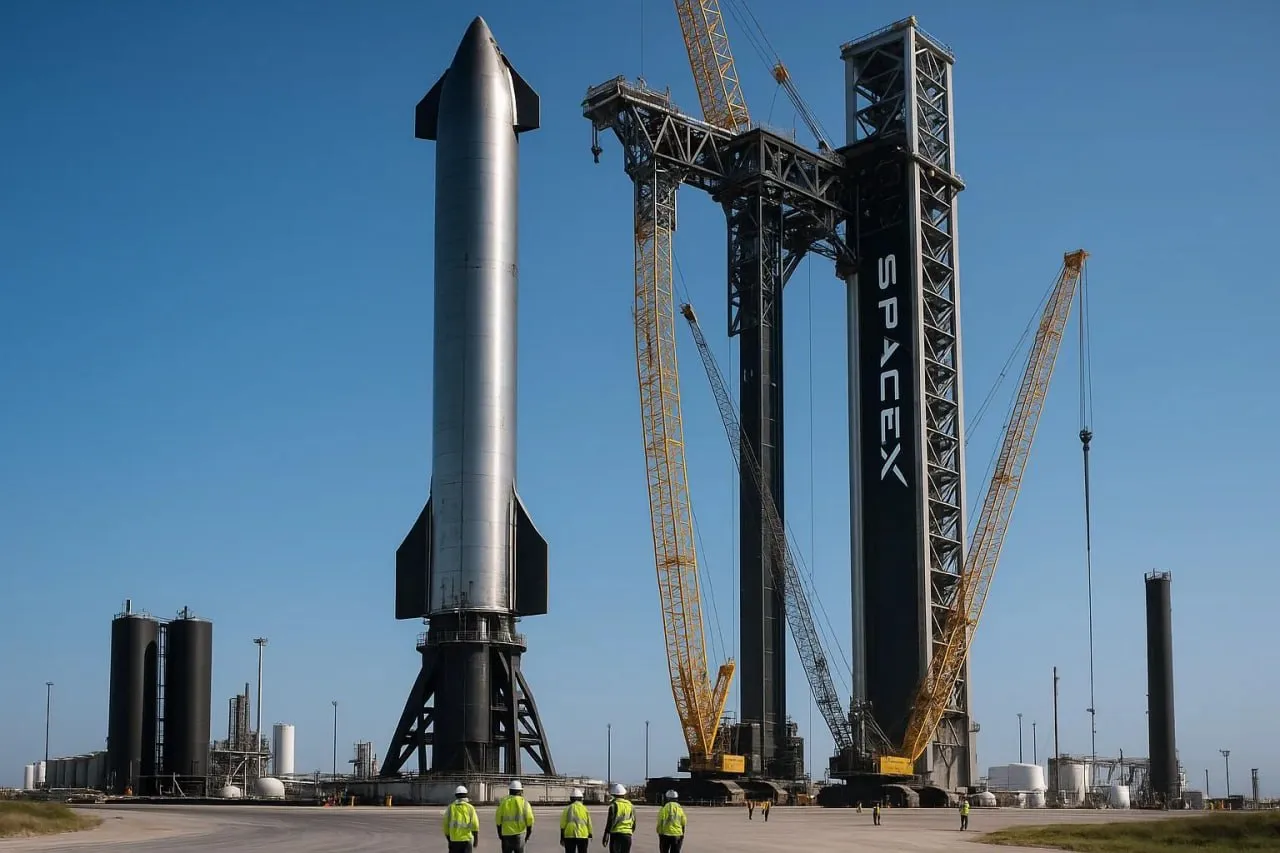
SpaceX FCC Filing Outlines First Full Orbital Attempt for Starship Flight 14
SpaceX has submitted communications applications to the U.S. Federal Communications Commission for Starship Flight 14, formally identifying the mission as the program’s first attempt to place the vehicle into a sustained Earth orbit. The paperwork requests authority to operate launch-vehicle communications during a window beginning September 15, 2026, and extending through March 15, 2027. The…
-
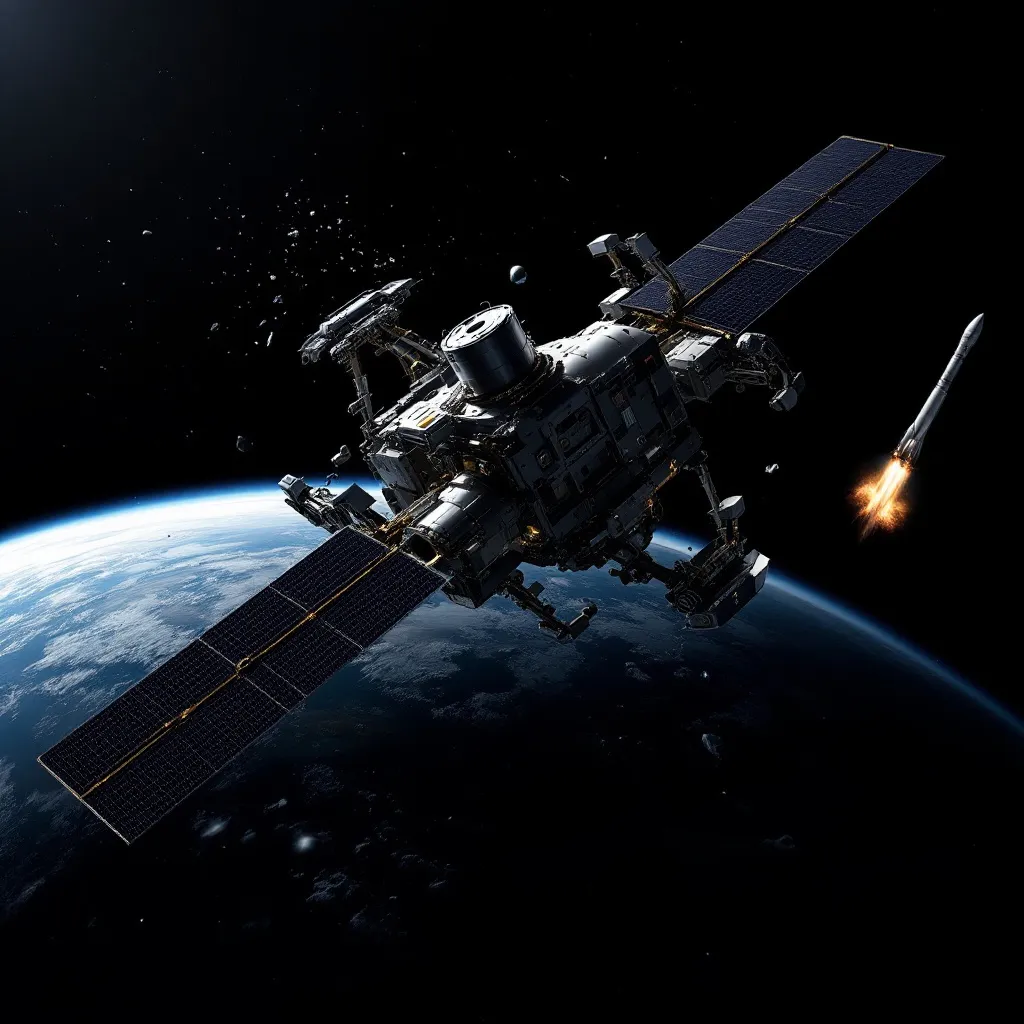
Isar Aerospace to Launch Astroscale’s ADRAS-J2 Mission to Capture and Remove Three-Ton Space Debris
Astroscale Japan has selected Isar Aerospace to launch ADRAS-J2, a robotic spacecraft designed to capture and deorbit a three-ton abandoned rocket stage. The mission is intended to become the first to remove an existing large piece of orbital debris that was not designed for servicing or retrieval. The companies announced the launch agreement on September…