
Author: starpathwp-production
-
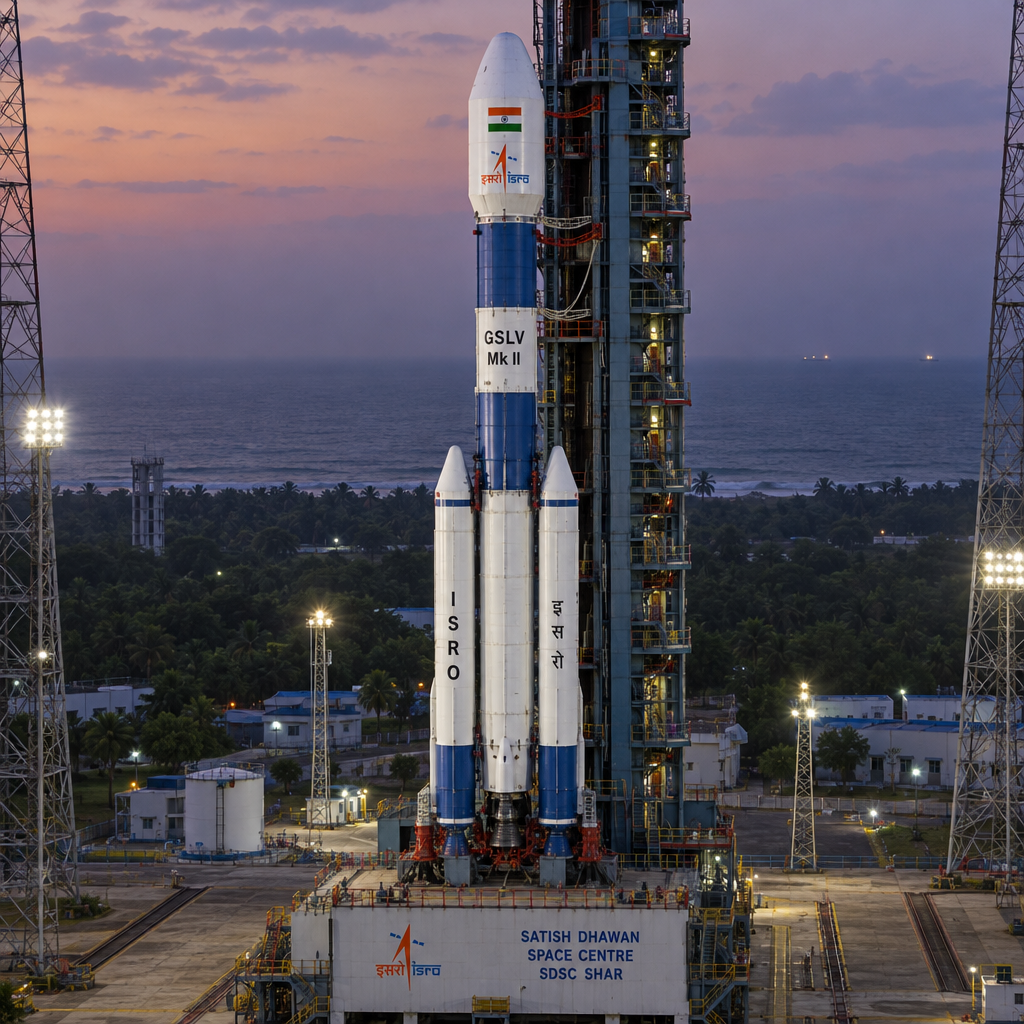
India Launches NVS-03, Fourth Satellite Toward Operational NavIC Constellation
NVS-03 is the third next-generation satellite India has launched for NavIC, the country’s regional alternative to the United States’ Global Positioning System. The constellation previously consisted of three fully functioning satellites, one short of the four required to deliver PNT services, which gave today’s launch heightened importance. The GSLV Mark II deployed NVS-03 into geostationary…
-

Space Force Promotes Record Number of Guardians to Senior Master Sergeant
The promotion wave arrives as the service plans a deliberate buildout of its enlisted corps. The increase is tied directly to those growth plans, with the stated goal of strengthening the senior NCO leadership that would run a larger force. The promotions elevate Guardians to senior master sergeant, the second-highest enlisted grade in the Space…
-
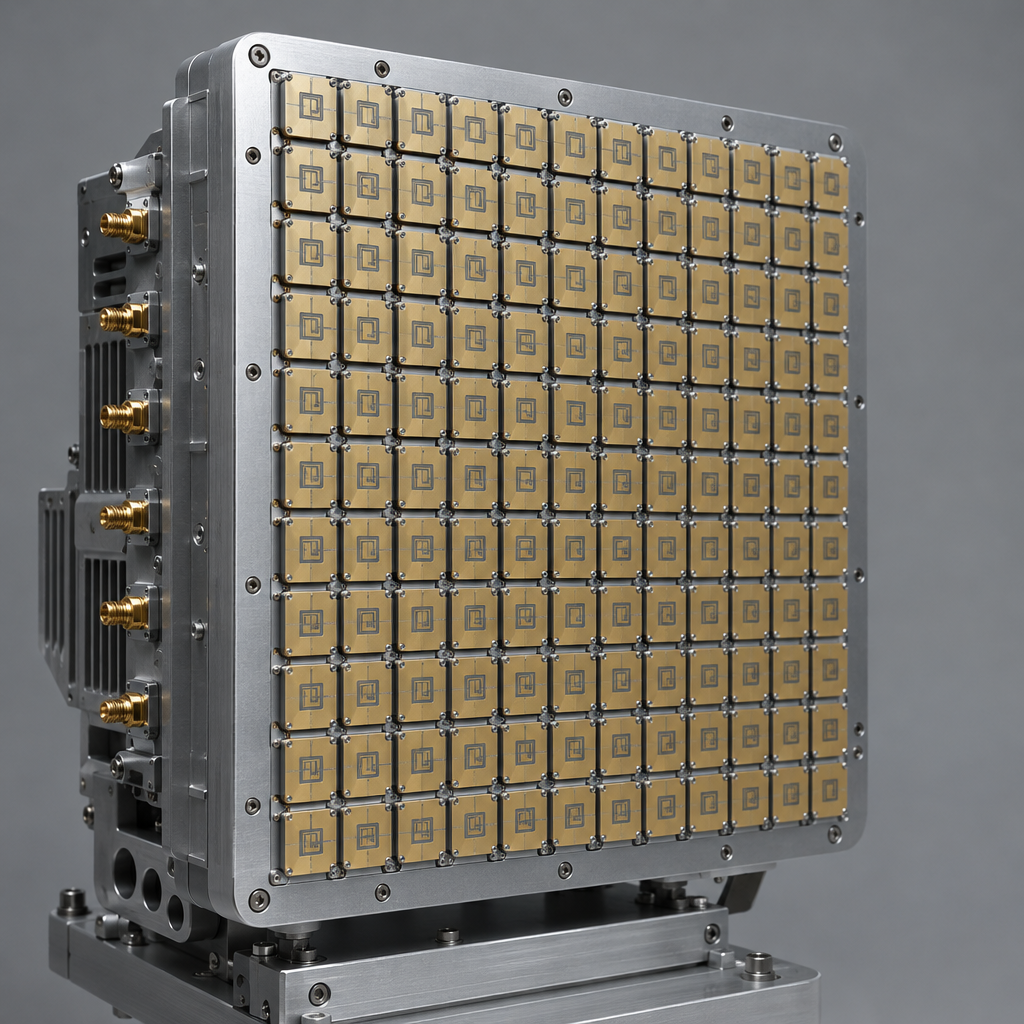
MDA Space Lands $100 Million Contract for IRIS² Antenna Subsystems
Eutelsat contracted the LEO component of IRIS² in September, selecting Airbus to build 66 Ka-band satellites, with Thales Alenia Space supplying the payloads. MDA Space said its Aurora direct radiating arrays will serve as key enablers for the program. The 66 satellites will form Layer 1 of the IRIS² LEO component. Thales issued MDA Space…
-

Civil Space Spending Reached $42.6 Billion in FY2026, With NASA Just Over Half
The report, authored by Aerospace’s Lindsay DeMarchi, found that while NASA remains the largest single share of civil space spending, it accounts for only 55 percent of the total. The Department of Energy ranks second at 18 percent, with other agencies ranging from the Department of Homeland Security at 6.79 percent down to the National…
-

Part 100 Puts FCC Satellite Licensing on an Assembly Line
By Nick David, Editorial Lead, SatNews Kathryne Dickerson of Greenberg Traurig presents “Part 100: A New Era for FCC Space Licensing” at Silicon Valley Space Week on Oct. 27. (Photo: SatNews) The FCC rebuilt satellite licensing to move faster. At Silicon Valley Space Week in Mountain View, Calif., on Tuesday, a satellite lawyer walked through…
-
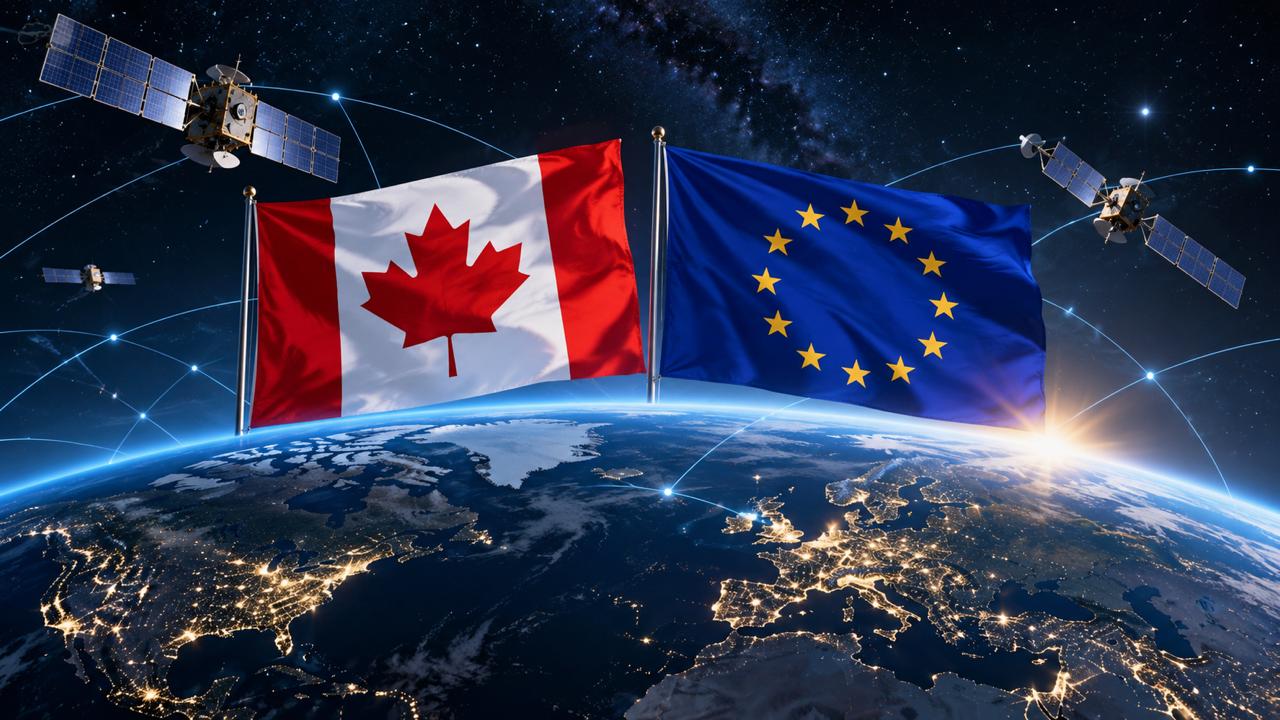
Canada and EU to Negotiate Galileo Access, Explore IRIS2 Cooperation
The agreement positions Canada closer to European space infrastructure at a time of shifting transatlantic ties. The move reflects a broader realignment as allied nations seek sovereign and shared access to navigation and secure communications. The joint statement committed the two sides to opening negotiations on Canadian access to Galileo. Separately, they agreed to begin…
-
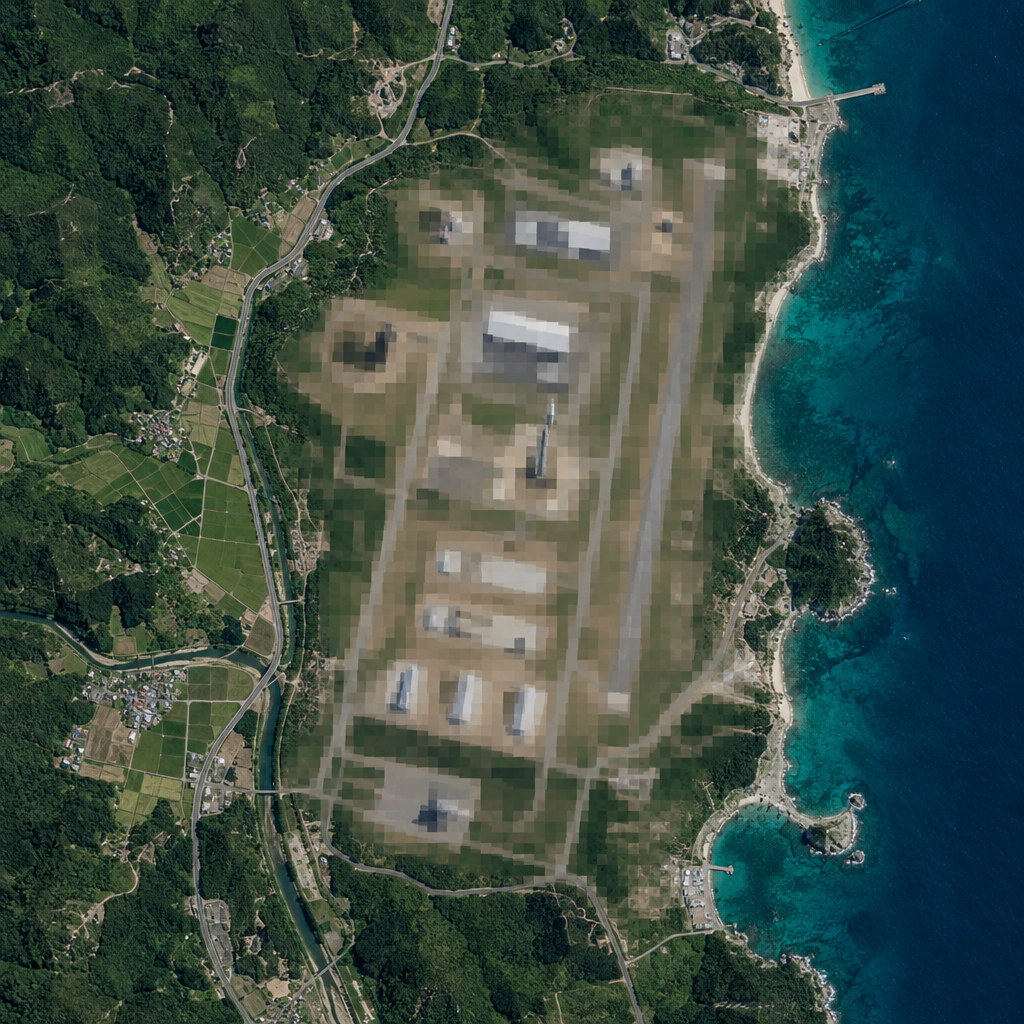
Apple Maps Begins Blurring NASA and Space Force Sites Without Announcement
The move prevents anyone using the commercial service on a phone from seeing fighters on tarmacs or rockets on launch pads at some of the most sensitive sites in the United States. The blurring is not comprehensive. Several large US Navy installations, including Pearl Harbor, Norfolk, and Naval Station Great Lakes, remain visible, as do…
-

Google in Talks to Secure Data Layer for Golden Dome Missile Defense
The Pentagon is standing up a new industry group focused on securing the data that feeds into military software being built for Golden Dome, according to people familiar with the matter. The group is likely to involve multiple companies working to ensure that data flowing into the new command-and-control software is resilient to attacks, such…
-
MUOS Gets Two More Satellites and a Life to 2040
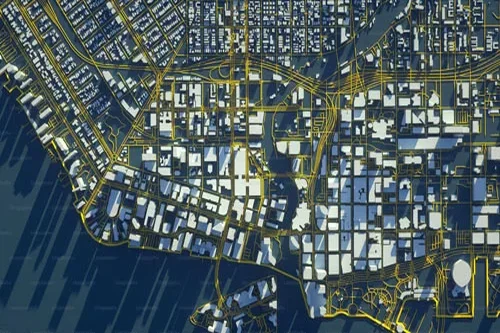
By Nick David, Editorial Lead, SatNews Katherine Coens (right), senior materiel leader at Space Systems Command, with retired Maj. Gen. Kimberly Crider at the MilSat Symposium. (Photo: SatNews) The military’s narrowband satellite system was supposed to start fading around 2030. Now it’s getting two more satellites and a life that could stretch to 2040. Katherine…
-
Google’s First Orbital Data Center Prototype Comes Online and Writes a Haiku
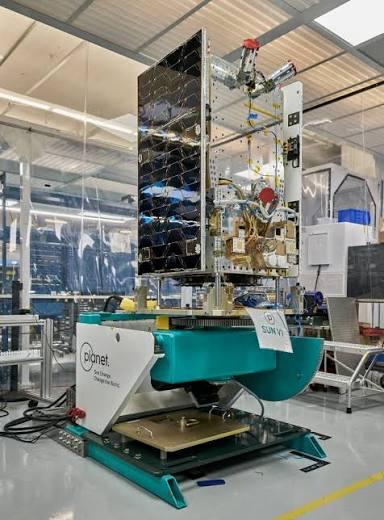
The spacecraft launched alongside more than 100 other satellites and completed a commissioning process over roughly three weeks that tested its subsystems before it was ready to work. It carries a single Google Tensor Processing Unit and generates up to 1 kW of electricity. The power demands of the TPU mean it can only turn…