
Author: starpathwp-production
-

NASA Pushes Beyond Rad-Hard Chips for Next-Gen Space Computing
How is NASA moving beyond radiation-hardened processors for space missions? NASA is partnering with industry to advance high-performance spaceflight computing beyond traditional radiation-hardened processors, marking a fundamental shift from the agency’s decades-long reliance on rad-hard chips that prioritize survival over speed. The initiative addresses a critical performance gap: while commercial processors deliver teraflops of computing…
-
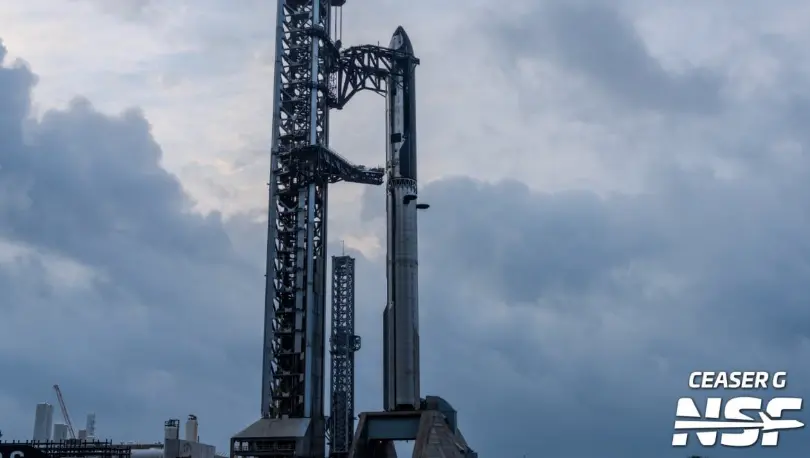
Full Stack Flight 12 completes WDR
Following Booster 19’s successful full-duration, full-thrust 33-engine static fire on May 7, 2026, its partner Ship 39 rolled out to join the booster and form the Flight 12 stack ahead of a Wet Dress Rehearsal. While Saturday’s attempt was scrubbed ahead of prop loading, a new attempt on Monday appeared to go as planned. Since…
-

Varda lands third capsule with hypersonic flight data
Varda Space Industries has successfully recovered its third reentry capsule, marking a critical milestone for both commercial in-space manufacturing and defense applications. The W-3 mission capsule landed May 8, 2026, carrying hypersonic flight test data that could accelerate development of next-generation defense systems. The recovery validates Varda’s manufacturing-to-Earth return capability at 120 kg payload capacity…
-
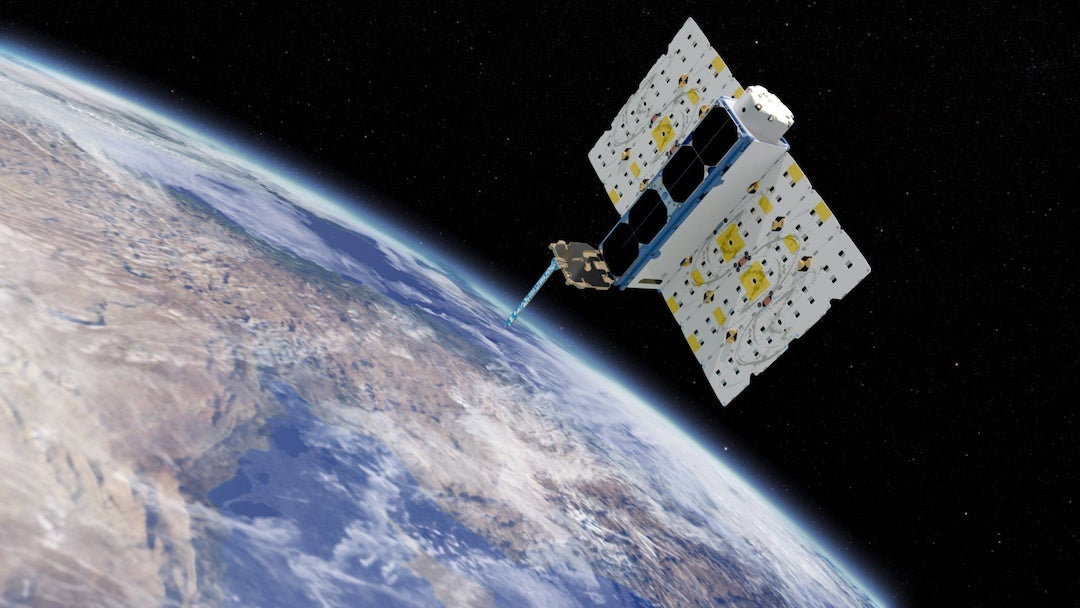
Greek Government Taps Planet for New Satellite Data Deal
Planet Labs Germany has won a significant new contract with a major government in Europe. The Greek government has signed a 2-year, 7-figure agreement with Planet that will include numerous data offerings, including near-daily medium-resolution imagery and high-resolution tasking to support a number of broad area monitoring initiatives. Planet Labs Germany is part of the…
-

Operational AI is Hitting the Limits of Earth Observation Data
AI is entering a different phase in Earth Observation. What began as experimentation on curated datasets is now moving into operational use, where models are expected to keep working across places, seasons, and changing conditions. Earth Observation places some of the heaviest demands on data consistency. AI systems depend on inputs that behave predictably over…
-

NASA Taps Brian Hughes for Senior Launch Operations Role at KSC
Who is Brian Hughes and why does his NASA appointment matter? NASA has appointed Brian Hughes as senior director of launch operations at Kennedy Space Center, a position that will oversee the agency’s $3.9 billion launch infrastructure portfolio during a critical expansion phase. Hughes will report directly to NASA Headquarters in Washington while managing operational…
-
Globalstar Grows Revenue 17% in Q1 Amid Amazon Acquisition Process
Globalstar grew revenue 17% year-over-year in the first quarter of 2026, which Globalstar reported as the operator is now in a process to be acquired by Amazon. Globalstar provided a few updates on its business on Friday, but will not hold further investor calls because of the pending acquisition. Overall the company reported $70 million…
-
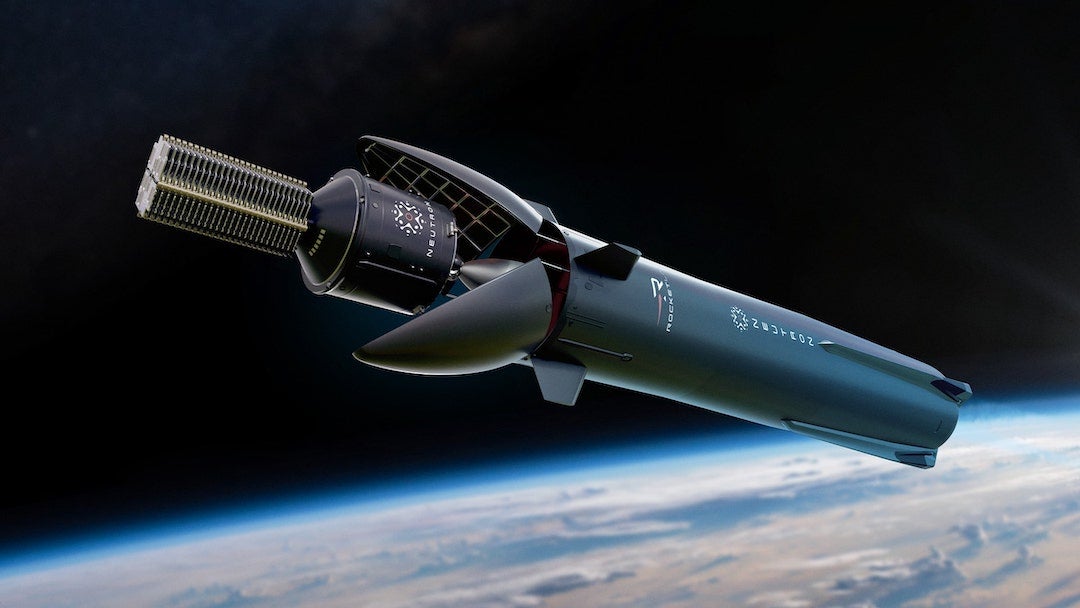
Rocket Lab Q1 Takeaways: Neutron Momentum, SBI Deal and Robotics Acquisition
Rocket Lab hit record quarterly revenue in the first quarter of 2026 and shared momentum for the upcoming Neutron launch vehicle as well as a robotics acquisition and work on space-based interceptors. Launch deal: Rocket Lab secured its largest launch contract in history with a confidential customer for both Electron launches and launches on its…
-

The US military just released a bunch of UAP files, but there’s no there there
There have been supposed alien sightings for centuries. These observations of “unidentified flying objects,” or UFOs, have periodically surged, such as during the late 1940s and early 1950s as the Cold War began. There have been more sightings since the early 2000s, driven by advances in sensors and cameras that capture images in real time.…
-
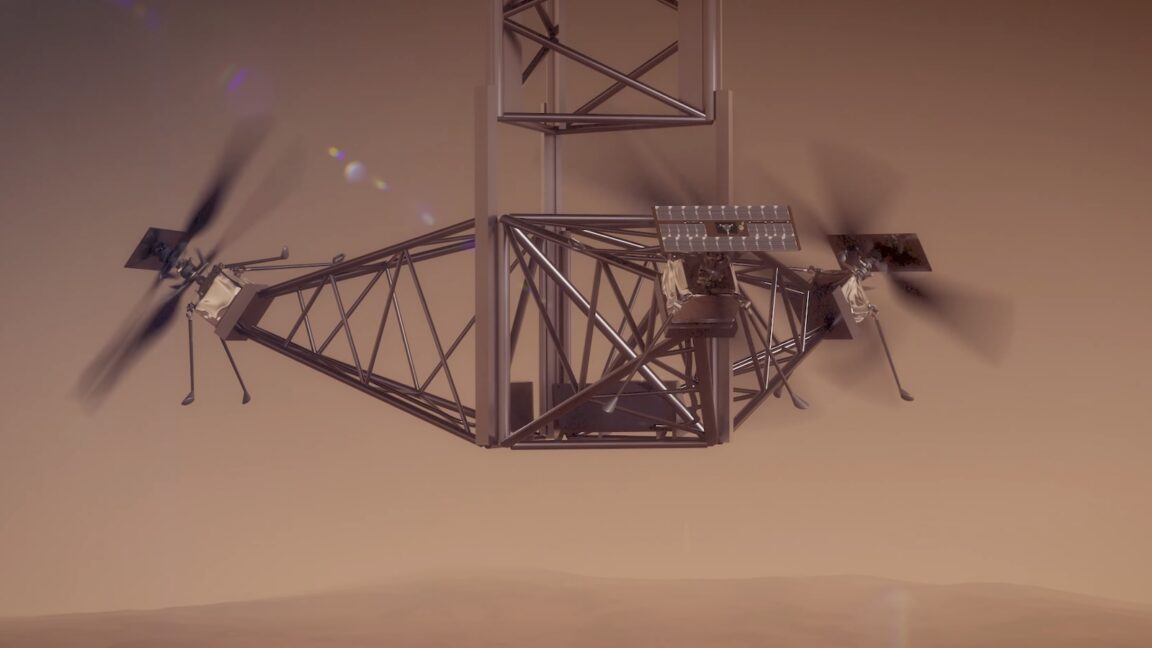
Engineers at NASA’s Jet Propulsion Lab make a breakthrough in rotor technology
A little more than three years since NASA’s Ingenuity helicopter ended its pioneering mission at Mars, engineers at the Jet Propulsion Laboratory in California are designing next-generation Martian rotorcraft to carry heavier payloads longer distances through the planet’s low-density atmosphere. Ingenuity was a resounding success, becoming the first airborne platform to explore another world. The dual-bladed helicopter…