
Author: starpathwp-production
-

SpaceX launches 28 Starlink satellites with a Falcon 9 booster flying for a 29th time
SpaceX deployed 28 of its Starlink V2 Mini satellites (pictured here) at the conclusion of the Starlink 11-17 mission. They launched on a Falcon 9 rocket from Space Launch Complex 4 East (SLC-4E) at Vandenberg Space Force Base on Oct. 7, 2025. Image: SpaceX Update Oct. 8, 1:05 a.m. EDT (0505 UTC): SpaceX confirmed deployment…
-
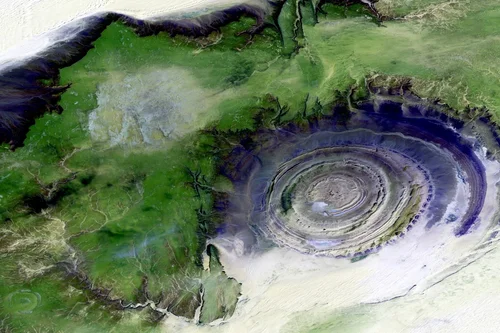
Stoke Space reportedly raising another massive round of funding for its Nova rocket program
Stoke Space’s booster engine blazes during its first hot-fire test in 2024. (Stoke Space Photo) Update: Stoke Space has raised $510 million in Series D funding to accelerate development of its fully reusable medium-lift rocket. Check out the full story. Previously: Stoke Space, one of the Seattle area’s up-and-coming space startups, is said to be…
-

Geopolitics Drives Shifts in EO Business as Companies Hone Focus on Defense Market
Earth Observation (EO) companies are shifting their focus from data sales to satellite sales to cater to the changing needs of the global defense market, which is opening new avenues for growth, unforeseen only a few years ago. When Bengaluru technologist Awais Ahmed founded Pixxel in 2019, he had two goals — to build the…
-

Satellite’s AI Future: The Big Debate
One of the big topics at any space conference nowadays is what impact Artificial Intelligence (AI) can have on space companies in terms of improving efficiencies and bringing new technologies to market. It is a fascinating question. In this Via Satellite roundtable, we speak to: Mariam Kaynia, chief data and information officer of Eutelsat; Prashanth…
-

Golden Dome: A Golden Opportunity for the Space Industry?
The planned development of Golden Dome, the Trump administration’s ambitious space-based missile defense system, continues to galvanize the space industry, from defense primes to space startups and data analytics firms. Large, medium, and emerging space players are investing in facilities and capabilities as well as pursuing strategic partnerships in hopes of winning a piece of…
-

The Golden Dome Initiative: A New Era for the Satellite Industry
The satellite industry, once the exclusive playground of superpowers and select multinational corporations, is undergoing a seismic shift. At the heart of this transformation is the Golden Dome initiative, a policy and procurement strategy designed to dramatically fortify national security and technological superiority in orbit. Its ripple effects are being felt across the satellite ecosystem,…
-

Planet Wins Contract Renewal to Support US Navy SeaVision Platform
The U.S. Navy awarded Planet a $7.5 million contract renewal for vessel detection and monitoring over the Pacific. The project integrates Planet’s satellite imagery into SeaVision, a maritime situational awareness tool by the U.S. Department of Transportation. Planet’s government subsidiary, Planet Labs Federal, announced the contract renewal on Tuesday. The initial award was in March…
-
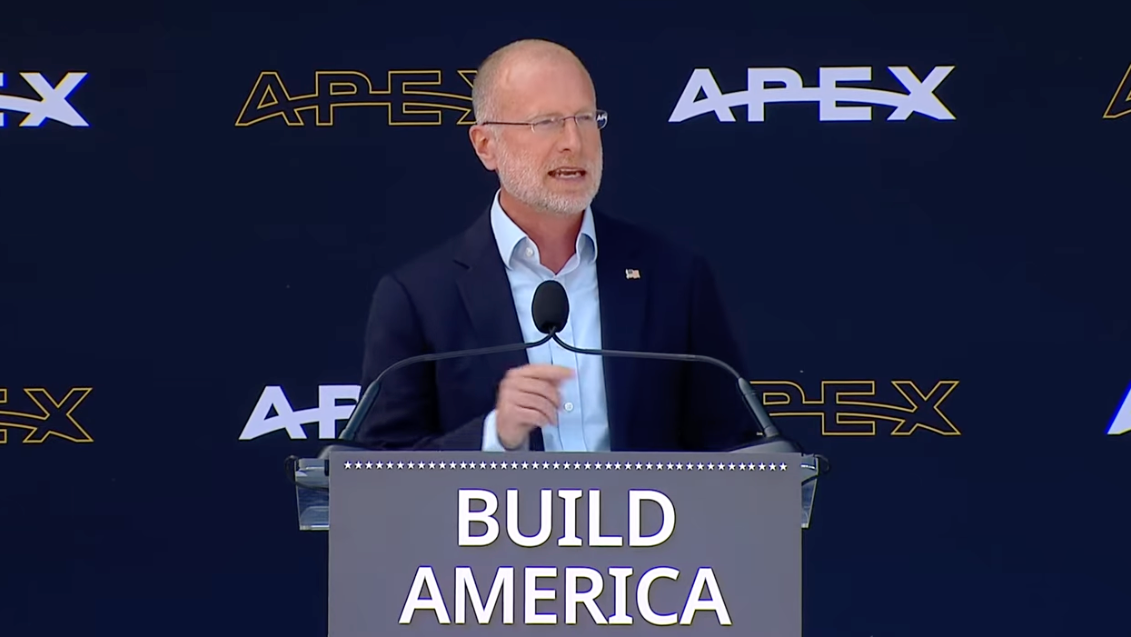
FCC Chair Targets Satellite Licensing and Spectrum Reform in ‘Space Month’
FCC Chairman Brendan Carr kicked off ‘Space Month’ on Monday, with a target to update satellite licensing and additional spectrum reform. Speaking at a factory opening for spacecraft manufacturer Apex in El Segundo, California on Monday, Carr said the FCC plans to pull from its regulatory approach to the wireless industry to refresh regulations for…
-

Securing the Final Frontier: The Need for Public-Private Collaboration on Space Cybersecurity
Government and industry approaches to a new age of space innovation are converging more quickly today than ever before. Private companies are far outpacing governments in launching satellites into Low-Earth Orbit (LEO) – SpaceX alone is responsible for over 7,000. At the same time, the U.S. government is adopting commercial practices to field smaller, cheaper…
-

Inside the Space ISAC Watch Center: Keeping an Eye on Cyber Threats
The watch center day begins most days just after dawn, when its director, Hector Falcon, arrives at the nondescript office park building and logs on around 6 a.m. Like his small team of analysts, who start work at 8 a.m., Falcon is searching for information that can be turned into actionable intelligence for space technology…