Australian non-Earth imaging startup HEO has acquired an operational satellite from Argentina-based Earth observation company Satellogic, opting for an in-orbit purchase rather than building and launching a new spacecraft to establish sovereign imaging capability.
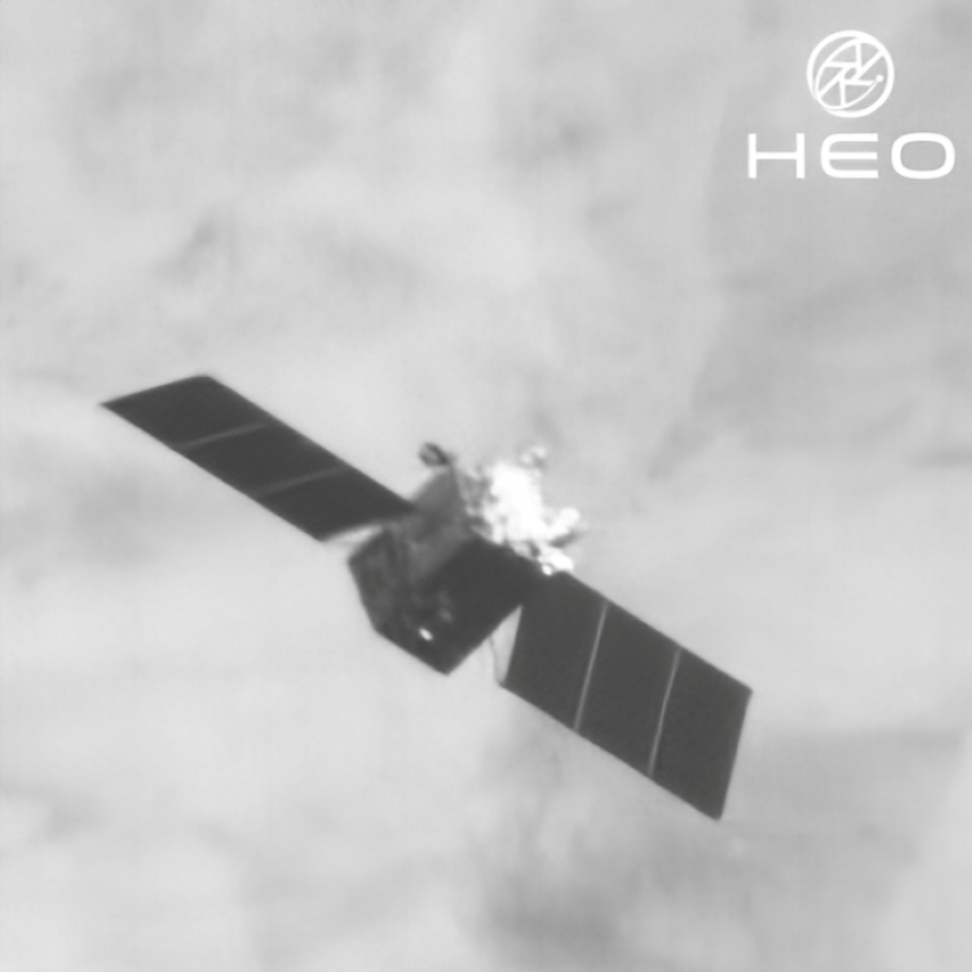
The satellite, formerly known as NewSat-34 and now renamed Continuum-1, will immediately expand HEO’s non-Earth imaging (NEI) capacity, enabling applications such as imaging spacecraft in orbit and serving as a test platform for future research and development, the companies said.
“This is the fastest path to sovereign space capability,” said Luciano Giesso, vice president of space systems at Satellogic. “Ownership delivers full priority and capacity for mission execution, enabling higher cadence and availability than is possible through shared or third-party access.”
The transaction represents a different approach to space sovereignty, as governments and companies typically invest years in developing domestic satellite manufacturing and launch capabilities. By purchasing an existing satellite, HEO gains near-immediate access to sub-meter resolution imagery, avoiding development risk and long lead times.
HEO said the satellite will allow it to independently maneuver and rapidly test new NEI techniques, rather than relying on spare imaging windows from partner Earth observation satellites, which are often limited to periods when spacecraft pass over low-demand regions such as open oceans. The company plans to validate new imaging maneuvers on Continuum-1 before deploying them across partner satellite fleets.
The satellite will also be used to test new image acquisition modes, expand HEO’s imagery catalogue and accelerate the development of autonomous NEI systems, the company said. Chief executive Will Crowe added that the company intends to demonstrate a rendezvous and proximity operations (RPO) maneuver to image another satellite in orbit.
Beyond commercial use, HEO said Continuum-1 will support domestic applications, including wildfire monitoring and maritime awareness, through collaborations with Australian organizations. Crowe told industry publication Payload that such partnerships are already being formed.
From Satellogic’s perspective, the sale offers a way to quickly address customers’ demand for sovereign control while reducing operational constraints. It also allows the company to monetize a satellite nearing the latter stage of its service life. Continuum-1 has roughly one year of design life remaining, with the potential to operate for up to three years, according to Crowe.
While the companies did not disclose the purchase price, Crowe said acquiring an in-orbit satellite was “cheaper and less risky” than building and launching a new one. He added that the deal does not alter HEO’s broader strategy, which will continue to rely on partnerships with other Earth observation providers where possible.