Lockheed Martin built the existing MUOS fleet of four operational satellites and one spare. The decision to award the new satellites to Boeing signals that the Space Force is willing to switch primes on an established program rather than continue with the original manufacturer.
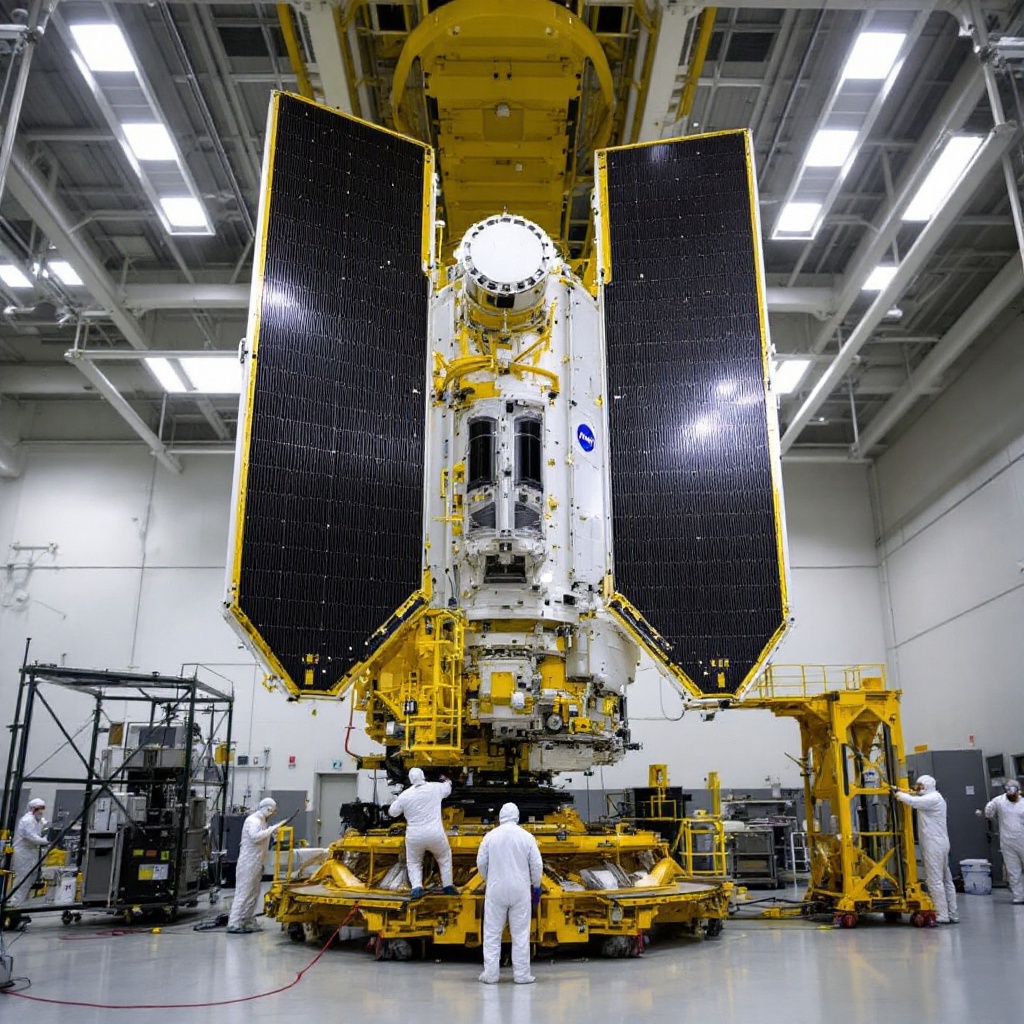
The two new satellites will use Boeing’s 702MP spacecraft platform, which carries heritage in commercial and wideband military missions. The satellites are intended to extend the MUOS constellation’s operational life until 2035. The contract is a Space Force award, not a NASA contract.
For Boeing, the win delivers a significant defense space contract at a moment when its commercial space programs have faced serious problems. Securing a $2 billion program that Lockheed Martin originated represents a meaningful gain in the military satellite market.
The award matters because Lockheed Martin built every MUOS satellite now in orbit. Displacing the incumbent on a program it developed from the ground up demonstrates the Space Force’s openness to changing suppliers on a mature constellation, and it hands Boeing a substantial defense space victory.
The central question now is whether Lockheed Martin files a formal protest. Losing a program a company built from scratch is precisely the kind of outcome that can trigger a challenge to the award.