
The House Science, Space, and Technology Committee unanimously approved a new NASA authorization bill on Thursday, reaffirming congressional backing for U.S. leadership in space and the agency’s Moon-to-Mars exploration program.
The legislation, introduced as H.R. 7273, emphasizes continued investment in human exploration, science, aeronautics and technology while endorsing an expanded role for commercial partnerships. Authorization bills set policy direction but do not allocate funding.
Committee Chair Brian Babin said the bipartisan measure strengthens exploration efforts and supports a growing commercial space economy. Ranking Member Zoe Lofgren described the bill as a recommitment to NASA’s broad portfolio, including Earth science, innovation, education and inspiration programs.
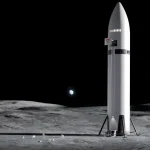
The bill maintains support for the Artemis Program, which aims to return astronauts to the Moon and eventually send humans to Mars. It also reaffirms backing for the Space Launch System (SLS) and the Orion capsule, the core systems for Artemis missions. Artemis III, planned for 2028, is expected to land U.S. astronauts on the lunar surface for the first time since 1972.
In addition to government-led programs, the legislation encourages the use of commercial services for activities ranging from Earth observation to future commercial space stations intended to replace the International Space Station. It also authorizes NASA to procure commercial transportation for crews and cargo traveling beyond low Earth orbit.
Among numerous amendments adopted during the markup were provisions promoting broader commercial participation in space activities and directing NASA to establish initial elements of a lunar outpost by the end of 2030. Another amendment calls for an engineering assessment of boosting the ISS into a higher orbit instead of deorbiting it at the end of its operational life.
One proposed amendment related to relocating the Space Shuttle Discovery from Virginia to Houston was withdrawn after discussion among lawmakers, amid concerns about cost and potential damage to the historic vehicle. A separate amendment aimed at strengthening NASA’s ability to detect drones near its facilities was defeated on a party-line vote after Republicans argued it fell outside the bill’s scope.
The committee’s action reflects ongoing bipartisan support in Congress for maintaining U.S. leadership in space, even as debates continue over budgets, commercial competition and the future of major programs.