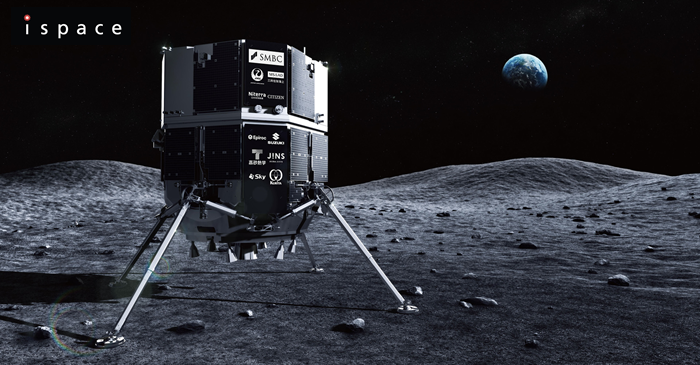
ispace is a Japanese space company founded in 2010, dedicated to pushing the boundaries of lunar exploration and resource development. From the beginning, the company has focused on expanding humanity’s reach beyond Earth with smart robotics that can deliver cargo to the Moon at a much lower cost.
Their goal is to make lunar transportation more accessible, opening up new opportunities for scientific discovery and commercial ventures. Driven by a vision of sustainable space development, ispace imagines a future where the Moon becomes a hub for space activity. By advancing technologies in robotics, spacecraft design, and resource utilization, they’re laying the groundwork for long-term lunar presence and operations.
Technology & Innovation

ispace’s technological innovations revolve around small, highly efficient lunar landers and rovers. Unlike traditional large-scale vehicles, ispace designs lightweight robotic spacecraft capable of exploring lunar terrain, analyzing resources, and transporting cargo. A key aspect of ispace’s development approach is rapid prototyping, which allows for swift iterations and improvements. They also use innovative methods like 3D printing and ready-made components to build their spacecraft quickly and cost-effectively.
Recently, ispace received an $80 million innovation grant from Japan’s Ministry of Economy, Trade, and Industry. This grant is allocated for the development of next-generation lunar landers, enhancing spacecraft capabilities for future missions. In addition to government support, ispace has raised approximately $196 million from investors, further reinforcing its financial foundation for upcoming lunar expeditions.
Products & Services
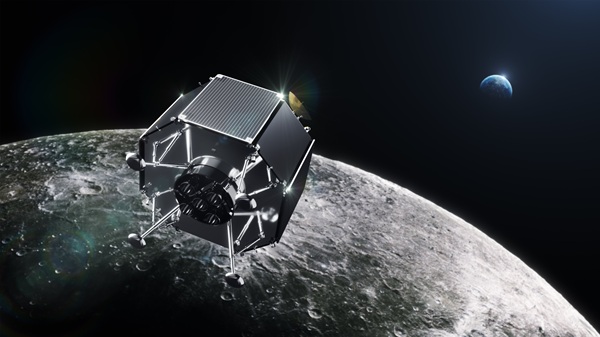
ispace offers lunar transportation services, aiming to provide cost-effective and frequent space missions. The company’s robotic landers and rovers are engineered to deliver scientific equipment, research tools, and technology to the lunar surface. These missions benefit academic institutions, government space programs, and private enterprises looking to conduct studies or commercial operations on the Moon.
In addition to transportation, ispace focuses on lunar exploration services. Its robotic landers collect data on the Moon’s geological makeup, searching for valuable resources such as water ice deposits that could be converted into fuel for future space travel. By enabling these scientific discoveries, ispace plays a crucial role in advancing human understanding of the Moon’s potential.
Recent Developments & Achievements
ispace has made several significant advancements in recent months. The company recently secured $35 million in financing from Mizuho Bank to fund upcoming lunar missions. Additionally, it has partnered with EdgeCortix, an AI technology company, to integrate artificial intelligence into lunar exploration. This partnership will improve the efficiency of robotic spacecraft, enabling smarter decision-making and enhanced lunar operations.
Further, ispace was selected by Japan’s Strategic Space Fund for a program to develop lunar satellites. These satellites will provide crucial insights into the Moon’s terrain and support long-term infrastructure projects. The company is also working on thermal mining technology in collaboration with Takasago Thermal Engineering, exploring methods to extract water from the Moon’s surface.
Future Prospects
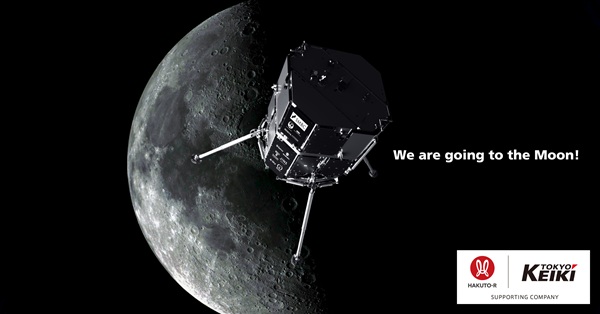
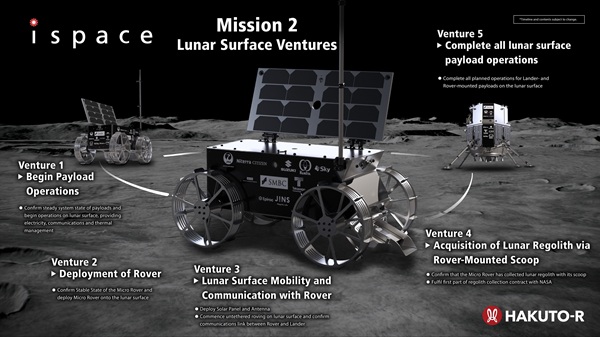
ispace has ambitious plans for expanding its lunar missions. The company is preparing for Mission 2, set for launch in December 2024, featuring the RESILIENCE lunar lander and the TENACIOUS micro rover. These spacecraft will explore the lunar surface, gathering data and demonstrating key technologies essential for future missions.
Additionally, ispace’s U.S. division is developing the APEX 1.0 lunar lander, designed with increased capabilities. Unlike previous models, APEX 1.0 will have a 10-times higher payload capacity, allowing for larger deliveries to the Moon. This mission is scheduled for no earlier than 2027, marking a significant step toward expanding commercial lunar transportation.
As space exploration grows, ispace envisions a future where the Moon becomes a hub for industrial development and scientific discoveries. The company’s long-term goals include establishing a sustainable lunar economy where industries like manufacturing, construction, energy production, and communications operate on the Moon.
One of ispace’s bold predictions is that by 2040, at least 1,000 people could be living on the Moon, with 10,000 visiting annually. To support this vision, the company is focusing on lunar resource utilization, including extracting water ice for fuel production. This advancement could significantly reduce the cost of deep-space missions and support future Mars exploration efforts.
ispace is setting the stage for a new era of space exploration, with groundbreaking technology, strategic industry collaborations, and ambitious lunar projects. The company’s vision for sustainable lunar development is paving the way for future generations to explore, utilize, and live on the Moon. As humanity takes steps toward expanding space presence, ispace remains a key player in shaping the future of commercial lunar missions.