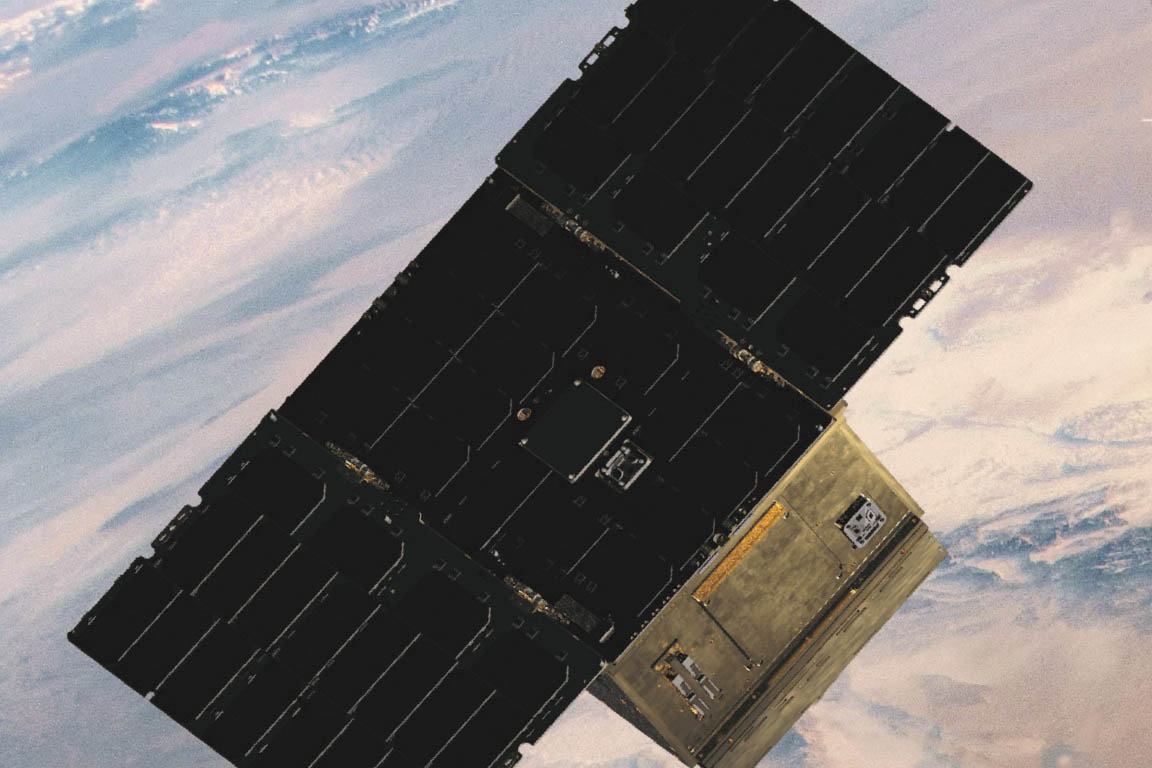
PiLogic is advancing its artificial intelligence-powered satellite monitoring technology through a new partnership with the U.S. Air Force Research Laboratory (AFRL), aiming to enhance the resilience and operational reliability of military spacecraft.
The Los Angeles-based space technology company is working with AFRL under a Cooperative Research and Development Agreement (CRADA), which allows the two organizations to collaborate on testing and development activities focused on satellite anomaly detection and response.
PiLogic is currently evaluating its system using two ground-based satellite test platforms and hopes to eventually demonstrate the technology in orbit.
Predicting Satellite Failures
The company’s technology is designed to identify potential satellite failures before they become mission-threatening events.
PiLogic creates a digital model tailored to each individual spacecraft, enabling the system to analyze telemetry and operational data in real time. The platform is intended to detect anomalies caused by equipment malfunctions, cyber intrusions, electronic warfare activities, environmental conditions and other operational risks.
By continuously monitoring spacecraft performance, the system aims to provide early warning of potential failures and support faster decision-making.
Automated Response Capabilities
According to PiLogic, the AI platform can respond to detected anomalies in several ways depending on the severity of the situation.
For critical events that require immediate action, the system can autonomously execute protective measures, such as placing a satellite into safe mode when onboard temperatures exceed acceptable limits.
In other scenarios, the technology can notify operators while simultaneously implementing corrective actions, ensuring that mission controllers remain informed of developments.
For less urgent situations, the platform can recommend actions to human operators and require approval before executing changes such as orbit adjustments or attitude control maneuvers.
Supporting Military Space Operations
While the CRADA does not include direct financial support, PiLogic said the agreement provides significant strategic benefits.
The partnership gives the company access to AFRL testing facilities at Kirtland Air Force Base, opportunities to demonstrate its technology to military customers, collaboration with government researchers and support for security clearance sponsorship.
The arrangement also enables the company to further refine its technology in collaboration with defense stakeholders.
Addressing Attribution Challenges
One of the more complex challenges in military space operations involves determining the cause of spacecraft anomalies.
PiLogic’s system uses a process-of-elimination approach to help identify potential sources of failures. The platform first evaluates whether an anomaly originated from internal faults or manufacturing issues before assessing external factors such as solar activity and space weather events.
If other explanations are ruled out, the system may identify electronic warfare or cyber interference as the likely cause.
However, the company notes that the technology cannot independently determine the identity of an attacker because it only analyzes data generated by the satellite itself and does not have access to broader orbital intelligence information.
As military and commercial operators place greater emphasis on satellite resilience, predictive monitoring technologies such as PiLogic’s are becoming increasingly important tools for protecting critical space infrastructure and maintaining mission continuity in contested environments.