Spanish launch company PLD Space has raised €180 million ($209.5 million) in a Series C funding round, bringing its total funding to more than €350 million, the company said.
The round was led by Mitsubishi Electric and included investment from the Spanish Ministry of Science, Innovation, and Universities, COFIDES and Nazca Capital.
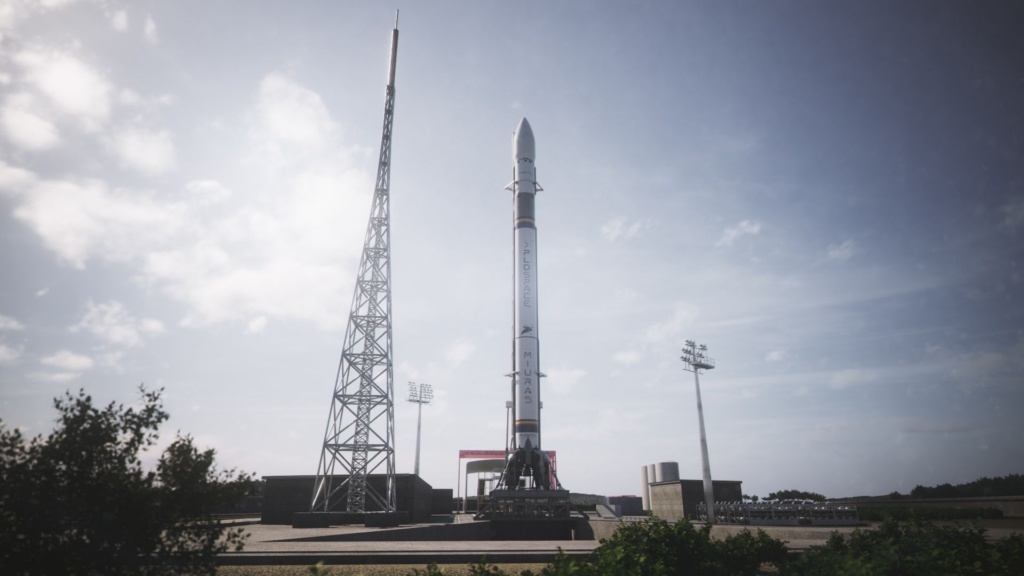
PLD Space said the funding will support its plans to increase launch capacity and advance development of its Miura 5 rocket.
Executive president Ezequiel Sánchez said the company is targeting more than 30 launches per year by the end of the decade.
As part of that plan, PLD Space expects construction of its commercial launch site at the Guiana Space Center in Kourou to be completed by July.
Once the launch pad is operational, the company plans to carry out the first demonstration flight of the Miura 5 rocket later this year. A second test launch is expected either later this year or in the first quarter of 2027.
PLD Space said the two demonstration flights are intended to support certification processes, including access to launch insurance required for commercial missions planned from 2027.
The company is also increasing production of the Miura 5 rocket. It aims to manufacture four rockets this year and six in 2026 as it moves toward semi-serial production, with plans to expand output further after relocating to a larger production facility in 2028.
Mitsubishi Electric’s involvement is expected to extend beyond financing. The Japanese company may use PLD Space launch services to support satellite deployments in Japan and across the Asia region.
Separately, Mitsubishi Electric also announced a memorandum of understanding with Lockheed Martin to collaborate on geostationary defense satellite projects.
PLD Space is also working on a next-generation launch vehicle known as Miura Next as part of Europe’s efforts to expand launch capabilities under initiatives such as the European Launcher Challenge.
The company previously developed the Miura 1 suborbital rocket to test technologies used in the Miura 5 orbital vehicle.
“We see a polarization of the market,” Sánchez said. “Some players will be low-cadence and subsidized by governments, and very few commercial players will have the opportunity to compete at the global scale. We prefer to be at that [global] access.”