
Tag: CME
-

How space weather events impact launches, orbiting spacecraft, and our future in space
When Blue Origin scrubbed the launch of its NG-2 mission on its New Glenn rocket on Nov. 12, the culprit wasn’t Florida’s notoriously unpredictable thunderstorms or high winds — it was space weather. NASA’s ESCAPADE mission, the primary payload on NG-2, was eventually launched on Nov. 13 and is designed to study how solar storms…
-
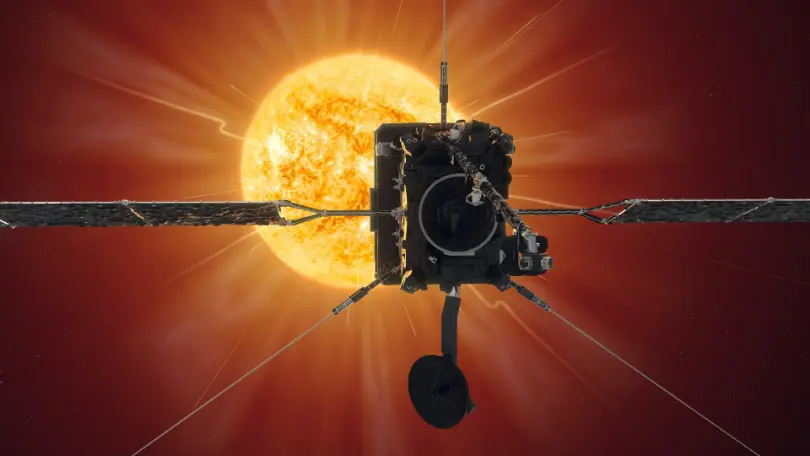
Solar Orbiter discovers plasma jets that could fuel the production of solar wind
Recently, the joint European Space Agency (ESA)/NASA Solar Orbiter spacecraft discovered an array of tiny jets of material being ejected from the Sun’s outer atmosphere. Ejecting plasma at 100 kilometers per second, the jets last for just 20 to 100 seconds, and could be the source of solar wind. Solar wind is made up of…
-

Starlink loss highlights current space weather prediction capabilities, coming advancements
On February 8, 2022, SpaceX announced the loss of around 40 of the 49 Starlink satellites launched on the Starlink Group 4-7 mission from LC-39A on February 3. For spacecraft initially orbiting at low altitudes, as the Starlinks did at the time upon deployment, many factors can lead to a craft not reaching its final…
-
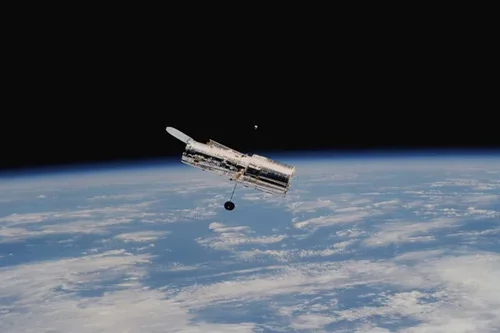
Starlink loss highlights current space weather prediction capabilities, coming advancements
On February 8, 2022, SpaceX announced the loss of around 40 of the 49 Starlink satellites launched on the Starlink Group 4-7 mission from LC-39A on February 3. For spacecraft initially orbiting at low altitudes, as the Starlinks did at the time upon deployment, many factors can lead to a craft not reaching its final…
-
Coronal heating & solar wind, returns from solar missions shed light on Sun’s mysteries
It’s one of the greatest mysteries in solar physics. Dubbed the coronal heating problem, the issue arises from the fact that the solar corona, or Sun’s atmosphere, is millions of degrees hotter than the layers directly below it. This goes against modeling that suggests the corona should be far cooler than the layers below it.…