
Tag: CYGNSS
-
Orbital ATK has no plans to phase out seldom-used Pegasus rocket
In this view from an F/A-18 chase plane, Orbital ATK’s Pegasus XL rocket fires its first stage seconds after dropping from the belly of an L-1011 carrier plane Dec. 15. Credit: NASA/Lori Losey The build-up of Orbital ATK’s next air-launched Pegasus XL rocket will start in the coming weeks at Vandenberg Air Force Base in…
-
Air-launched rocket puts eight CYGNSS microsatellites in orbit to study hurricanes
A photo taken from a NASA F-18 chase plane shows Orbital ATK’s L-1011 Stargazer jet deploying a Pegasus XL rocket to launch eight CYGNSS satellites. (NASA Photo / Lori Losey) After several days of delays, a squadron of eight microsatellites was sent into orbit by a rocket launched from a high-flying airplane. Their mission? To study…
-
Flock of ‘microsats’ launched to measure winds inside hurricanes
Updated at 4:15 p.m. EST (2115 GMT) with acquisition of all eight satellites. A Pegasus XL rocket fires into space after dropping from the belly of Orbital ATK’s L-1011 carrier jet. Credit: NASA TV/Spaceflight Now A winged Orbital ATK Pegasus XL rocket dropped from the belly of a carrier jet off the east coast of…
-

Video: CYGNSS launched by Pegasus rocket
The Orbital ATK Pegasus XL rocket is released from L-1011 carrier jet off the central Florida coastline at 8:37 a.m. EST (1337 GMT) and ignites to power eight microsats to space for NASA’s CYGNSS hurricane research project.
-

Hydraulic pump glitch scrubs Pegasus launch
Updated at 7:30 p.m. EST (0030 GMT). A camera on-board the L-1011 carrier plane shows the aft end of the Pegasus XL rocket in flight over the Atlantic Ocean Monday. Credit: NASA TV Trouble with a hydraulic pump needed to release Orbital ATK’s air-launched Pegasus XL rocket from its carrier jet Monday has delayed the…
-

Pegasus XL launch timeline with NASA’s CYGNSS microsats
Orbital ATK’s Pegasus XL rocket will take about eight minutes to reach orbit with NASA’s eight CYGNSS weather research microsatellites, then comes deployment of the spacecraft more than 300 miles (500 kilometers) above Earth. The 51,000-pound (23-metric ton) rocket will drop from the belly of a modified L-1011 carrier plane, named Stargazer, flying on an…
-
Live coverage: Pegasus rocket successfully fires into orbit
Live coverage of the countdown and launch of a Pegasus XL rocket rocket with NASA’s Cyclone Global Navigation Satellite System. Text updates will appear automatically below; there is no need to reload the page. Follow us on Twitter. NASA’s live video stream begins at 1200 GMT (7 a.m. EST). Please ensure your browser is updated…
-
Video: Inside the CYGNSS satellite factory and the Pegasus carrier aircraft
Updated before Thursday’s launch attempt. Spaceflight Now visited the CYGNSS production facility at the Southwest Research Institute in San Antonio and the Pegasus XL rocket’s carrier plane at Cape Canaveral for rare looks at hardware that make NASA’s $157 million hurricane research mission possible. In the first video, CYGNSS integration and test manager Alan Henry…
-
Video: Pegasus and CYGNSS pre-launch news conference
This is the pre-launch news conference for NASA’s CYGNSS hurricane research mission featuring a constellation of eight microsats launching Dec. 12 aboard an Orbital ATK Pegasus XL rocket off the Florida coast. Science briefing
-
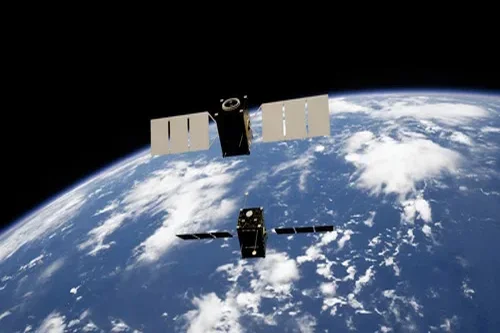
Photos: Orbital ATK’s temporary Pegasus home base at Cape Canaveral
Take a look around the L-1011 jetliner, Pegasus rocket, and ground support gear at Cape Canaveral Air Force Station’s Skid Strip for Monday’s scheduled launch of eight microsatellites to listen for winds inside hurricanes. NASA and Orbital ATK, the Pegasus rocket’s contractor, gave reporters and photographers a tour of the “hot pad” at the Cape Canaveral…