
Tag: Exoplanet
-
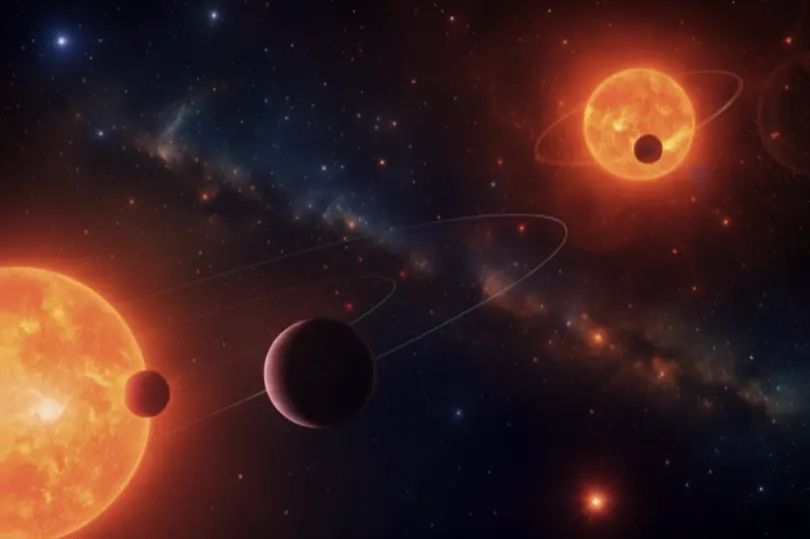
TESS finds three Earth-sized exoplanets orbiting binary stars
Through international collaboration, a team of astronomers has confirmed two exoplanets and found hints of a third exoplanet at a binary star system known as TOI-2267. The planets were first found by NASA’s Transiting Exoplanet Survey Satellite (TESS), using the team’s own exoplanet detection software. This tantalizing find might provide new insights into planet formation…
-

CHEOPS discovers exoplanet triggering explosive flares on host star
Using the European Space Agency’s Characterizing Exoplanets Satellite (CHEOPS) telescope, a team of astronomers has discovered an exoplanet that may be triggering its host star to release massive flares of radiation. These flares are similar to the coronal mass ejection our Sun produces, and the harsh radiation emitted from the flares is slowly blowing away…
-
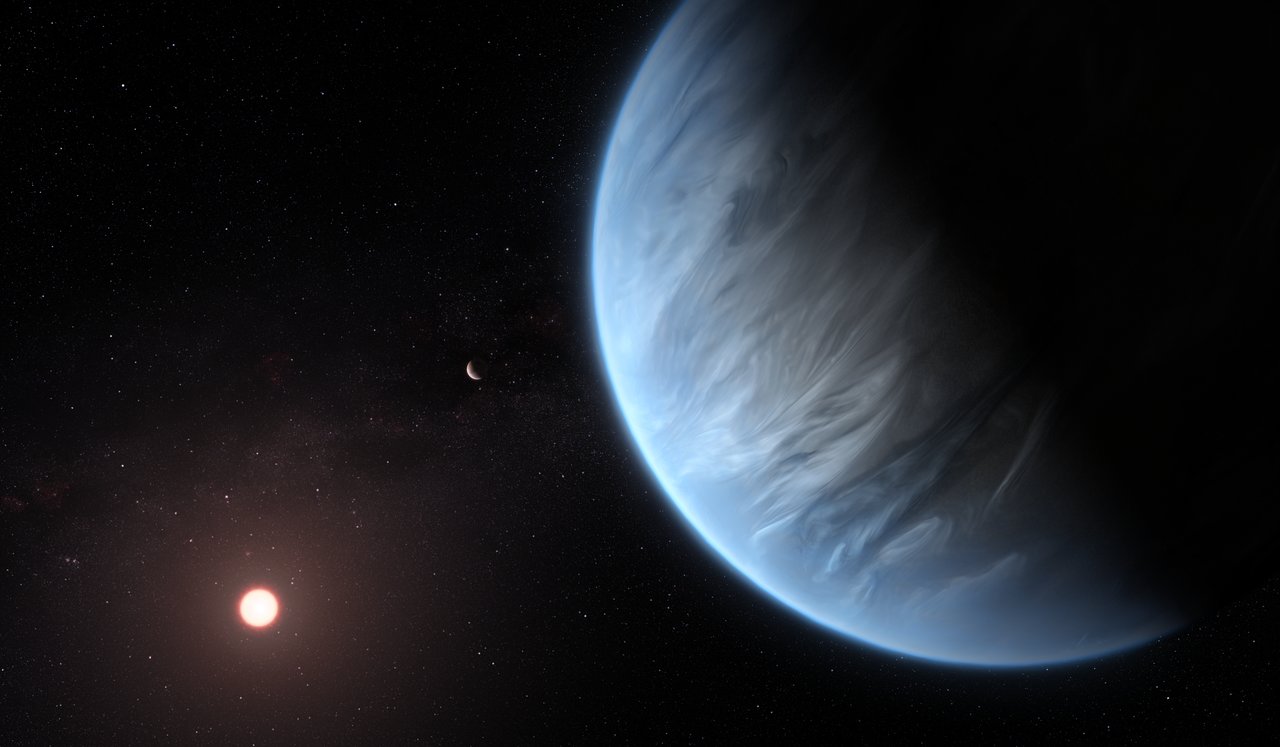
No, the James Webb Space Telescope hasn’t found life out there—at least not yet
The rumors have been out there for a while now, percolating through respectable corners of the astronomy and astrobiological community, that the James Webb Space Telescope has found a planet with strong evidence of life. Some of this sentiment recently bubbled into the public view when the British news magazine The Spectator published an item…
-
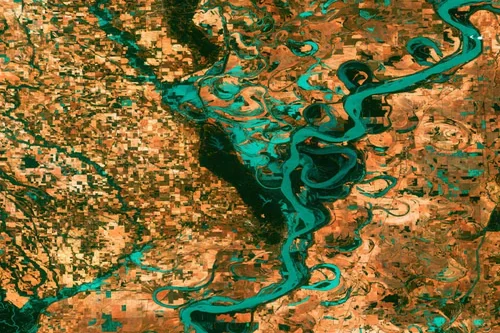
Scientists, using Webb, discover water vapor within a planet-forming disk
Using the joint NASA/European Space Agency/Canadian Space Agency James Webb Space Telescope, a team of scientists has discovered, for the first time, water vapor within a planet-forming disk. The water vapor, which was found within the inner disk of two circumstellar disks around star PDS 70, is allowing scientists to research the ways by which…
-
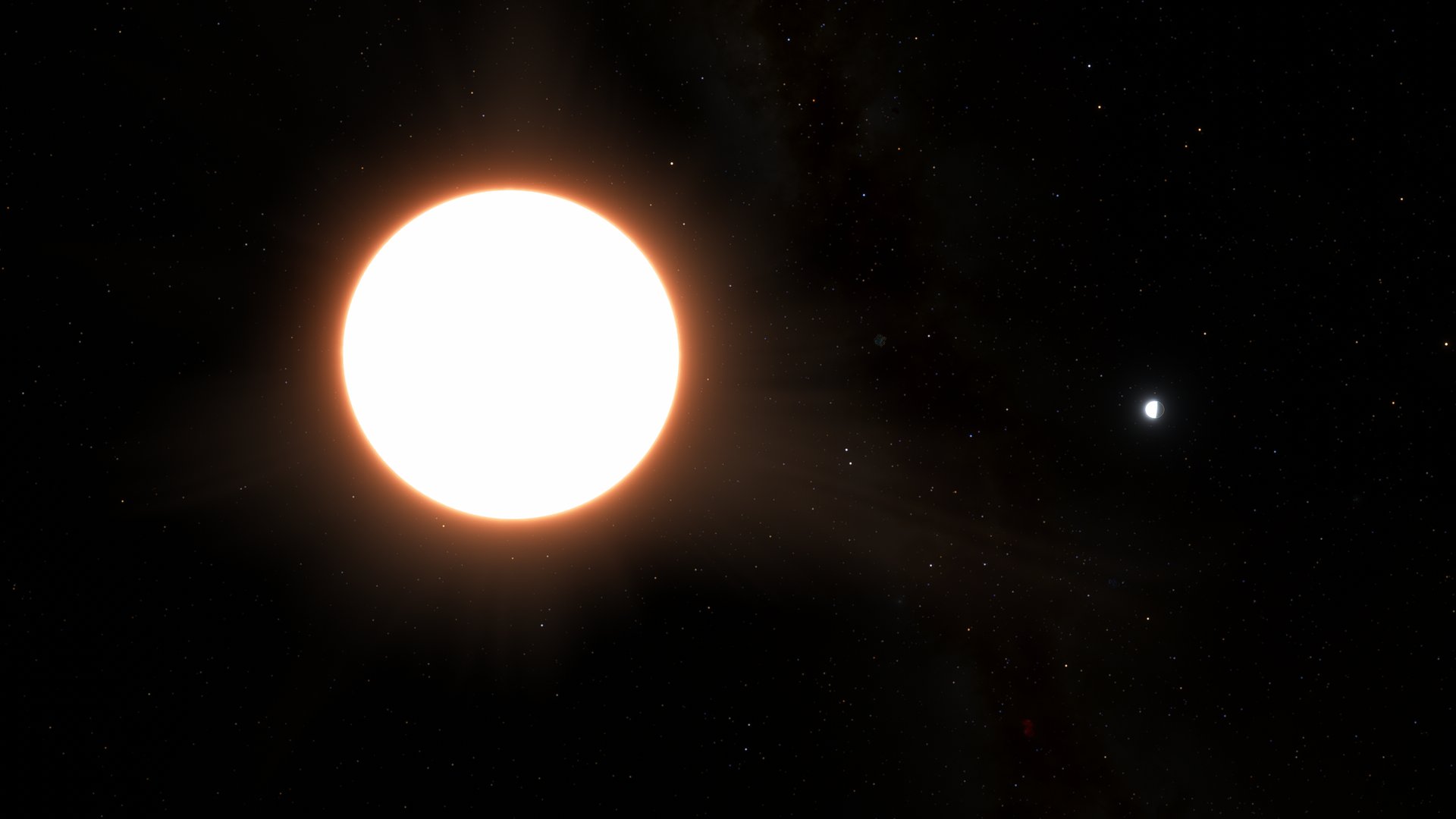
Astronomers solve mystery of how a mirror-like planet formed so close to its star
It has been about three decades since the first confirmed exoplanet was discovered. In the following 30 years, using a variety of telescopes and instruments on the ground and in space, astronomers have cataloged more than 5,000 planets around other stars. As part of this process of scientific discovery, astronomers have confirmed that our Milky…
-
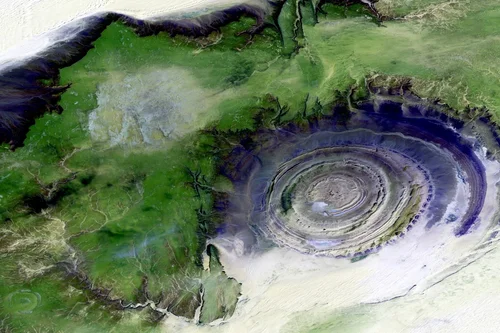
Webb directly images young star’s asteroid belt; discovers two additional dusty disks
Using the joint NASA/ESA/CSA James Webb Space Telescope, a group of astronomers has directly imaged three dusty disks — the outermost being an asteroid belt — surrounding a young star. The outermost of the disks was first discovered by NASA’s Infrared Astronomical Satellite in 1983 and has since been imaged in detail by the Hubble…
-
With Hubble and Spitzer, researchers discover water-filled exoplanets
Using data from NASA’s Hubble Space Telescope and retired Spitzer Space Telescope, a group of researchers has discovered two exoplanets that may be largely comprised of water. Located around a red dwarf star 218 light-years away, the two planets are low in density. Furthermore, the researchers, led by Caroline Piaulet of the Trottier Institute for…
-

New research from ESA’s CHEOPS observatory reveals rugby ball shape of strange exoplanet
Exoplanets all over the universe come in different sizes, compositions, colors, and temperatures. However, they typically don’t come in different shapes, as nearly every single planet ever discovered is thought to be spherical in shape — except for one. New data from the European Space Agency’s (ESA) Characterising Exoplanets Satellite (CHEOPS) space observatory, as well…
-
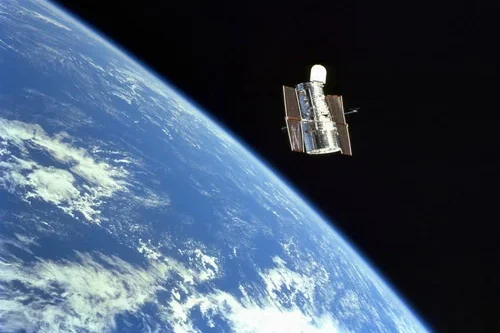
New research finds first clear detection of circumplanetary disk surrounding an exoplanet
In recently published research using the Atacama Large Millimeter/submillimeter Array (ALMA), astronomers announced that they had found the first clear detection of a circumplanetary, moon-forming disk surrounding the exoplanet PDS 70c — a first in astrophysics. The circumplanetary disk, or CPD, has been seen in past research from other groups. However, due to the inability…
-
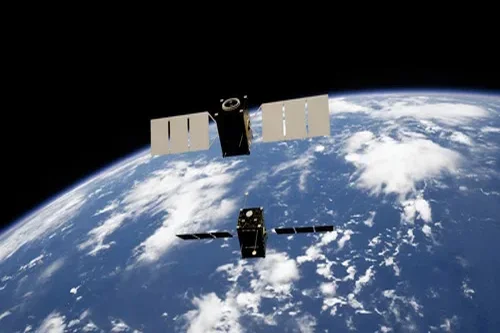
With Hubble, astronomers use UV light for first time to measure a still-forming planet’s growth rate
In 2018, the exo-planet PDS 70b was observed using the Very Large Array. It’s discovery instantly placed it at the top of observation requests and telescope time for one quite profound reason: the exoplanet was still forming. For the first time, a still-accreting planet had been discovered, providing astrophysicists a unique opportunity to study how…