
Tag: Geology
-
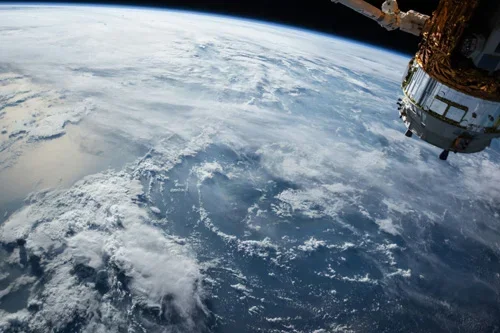
InSight teams push for more science in lander’s final months, Curiosity continues trek around Gale Crater
In May 2022, members of NASA’s InSight Mars lander team announced that power levels on the lander were diminishing and that they expected the lander to become inoperative by December 2022. However, InSight’s teams want to push the lander to do as much as possible in its final months and have chosen to operate the…
-
Bad moon falling: Geophysicist adds her own scientific spin to ‘Moonfall’ movie
“Moonfall” features a resurrected space shuttle and an ominously looming moon. (Courtesy of Lionsgate) Even geophysicist Mika McKinnon, one of the science consultants for a $140 million disaster movie called “Moonfall,” admits that the moon-crashing tale is ridiculously exuberant. But what’s wrong with that? “A movie is supposed to be fun, and science is allowed to be fun,”…
-
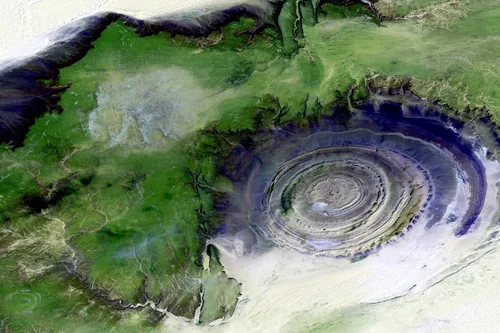
Analysis of Mars surface samples highlight potential ancient water bubbles
Following an unsuccessful sample collection attempt in early August, NASA’s Perseverance Mars rover has successfully drilled, collected, sealed, and stored two separate Martian surface samples. Both sample collections took place in the same week. Additionally, new data from the samples show that the rock collected is likely volcanic and may contain bubbles of ancient water.…
-
NASA cracks open a sample of moon soil that’s been shut away for four decades
Apollo sample processors Andrea Mosie, Charis Krysher and Juliane Gross open lunar sample 73002 at NASA’s Johnson Space Center in Houston. (NASA Photo / James Blair) For the first time in more than 40 years, NASA has opened up a pristine sample of moon dirt and rocks that was collected during the Apollo missions. Scientists…
-
Weird sand ripples on Mars tell tales about Red Planet’s past and present climate
Two sizes of ripples can be seen in this view of a Martian sand dune. The larger ripples are roughly 10 feet apart, and unlike any type seen in earthly sand fields. The smaller ripples, superimposed on the larger ripples, are similar to those seen on Earth. (Credit: NASA / JPL-Caltech / MSSS) The sands…