
Tag: IGS
-

Japan launches optical spy satellite
EDITOR’S NOTE: Updated after launch. An H-2A rocket lifted off at 10:34 a.m. Japan Standard Time on Monday from the Tanegashima Space Center with a Japanese intelligence-gathering satellite. Credit: NVS video Japan launched an optical reconnaissance satellite from the Tanegashima Space Center Sunday aboard an H-2A rocket after a 12-day delay caused by a nitrogen leak.…
-
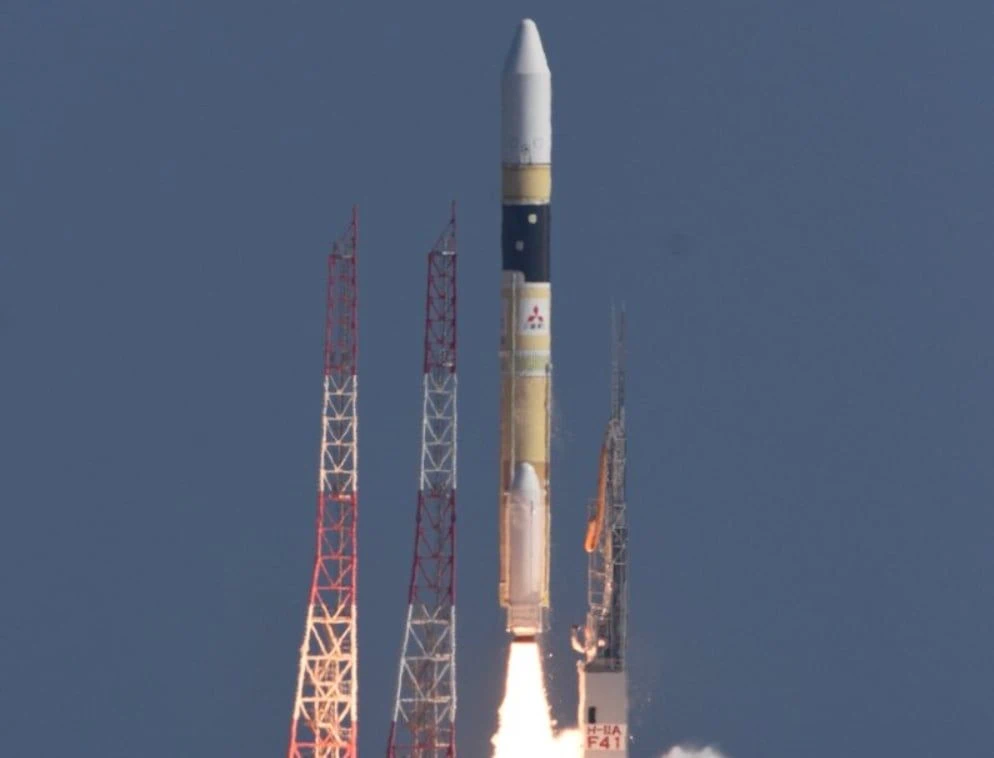
H-IIA conducts IGS Optical 7 launch
Making its first flight in over a year, Mitsubishi Heavy Industries’ H-IIA rocket lifted off from the Tanegashima Space Centre on Sunday with a reconnaissance satellite for the Japanese government. Liftoff occurred at10:34 local time 01:34 UTC, during a five-minute launch window. Sunday’s launch deployed the IGS Optical 7 satellite for the Cabinet Satellite Intelligence…
-
Launch of Japanese spy satellite postponed by nitrogen leak
A Japanese H-2A rocket stands on its launch pad Monday at the Tanegashima Space Center before officials scrubbed a launch attempt due to a nitrogen leak. Credit: NVS on YouTube Japanese officials halted a countdown Monday at the Tanegashima Space Center when teams overseeing preparations for launch of an H-2A rocket detected a nitrogen gas…
-
Japanese intelligence-gathering satellite successfully launched
とりあえずサブカメラの映像から。H-IIA F39打ち上げ。 pic.twitter.com/JBbj5M66tS — 柴田孔明 (@koumeiShibata) June 12, 2018 An all-weather spy satellite for the Japanese government launched Tuesday on top of an H-2A rocket, extending the country’s surveillance reach with coverage of North Korea and other strategic locations worldwide. The radar-equipped reconnaissance craft lifted off at 0420 GMT (12:20 a.m. EDT) Tuesday from the…
-
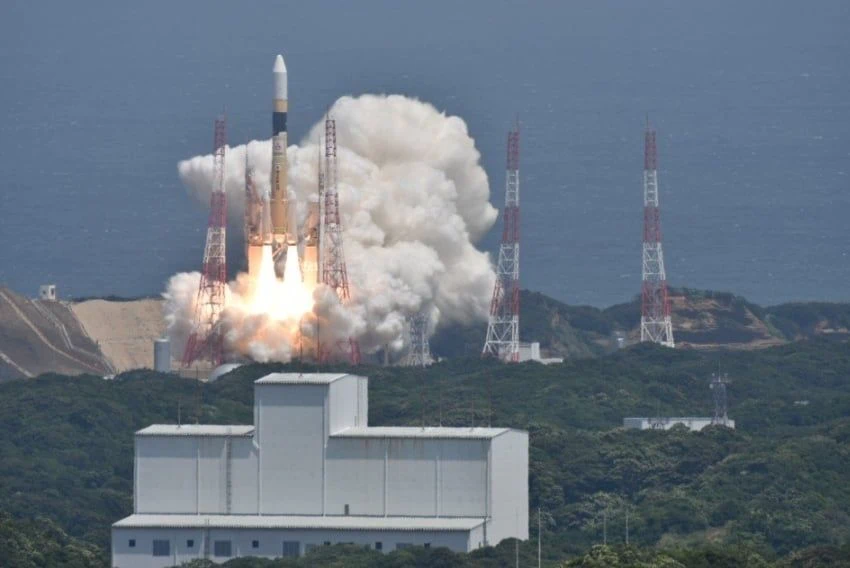
Japan’s H-IIA rocket launches IGS Radar 6
Japan made another addition to its constellation of reconnaissance satellites with the launch of the IGS Radar 6 satellite Tuesday. Riding to orbit atop an H-IIA rocket, the satellite lifted off at the start of a thirteen-minute, 57-second window that opened at 13:20:00 local time (04:20 UTC). The Information Gathering Satellite (IGS) program – also…
-

Poor weather forecast delays H-2A rocket launch
File photo of a Japanese H-2A rocket before a previous mission. Credit: JAXA Projected weather impacts from Tropical Storm Maliksi passing over the Pacific Ocean south of Japan have prompted officials to push back the launch of an H-2A rocket and an Earth-imaging reconnaissance by one day to Tuesday, the Japan Aerospace Exploration Agency announced…
-

Reconnaissance satellite launched by Japanese H-2A rocket
今回のH-IIA F38打ち上げは、地表付近では陽炎が凄くて、ゆらゆら揺れて見えましたが、上空に行くとくっきり見えますね。 pic.twitter.com/0zhyRXYvQk — 柴田孔明 (@koumeiShibata) February 27, 2018 A Japanese H-2A rocket launched Tuesday with a clandestine government-owned satellite to collect sharp-eyed views of North Korea’s missile developments and other global hotspots. The 174-foot-tall (53-meter) rocket fired its hydrogen-fueled LE-7A main engine and two solid rocket boosters at 0434 GMT Tuesday (11:34 p.m. EST…
-
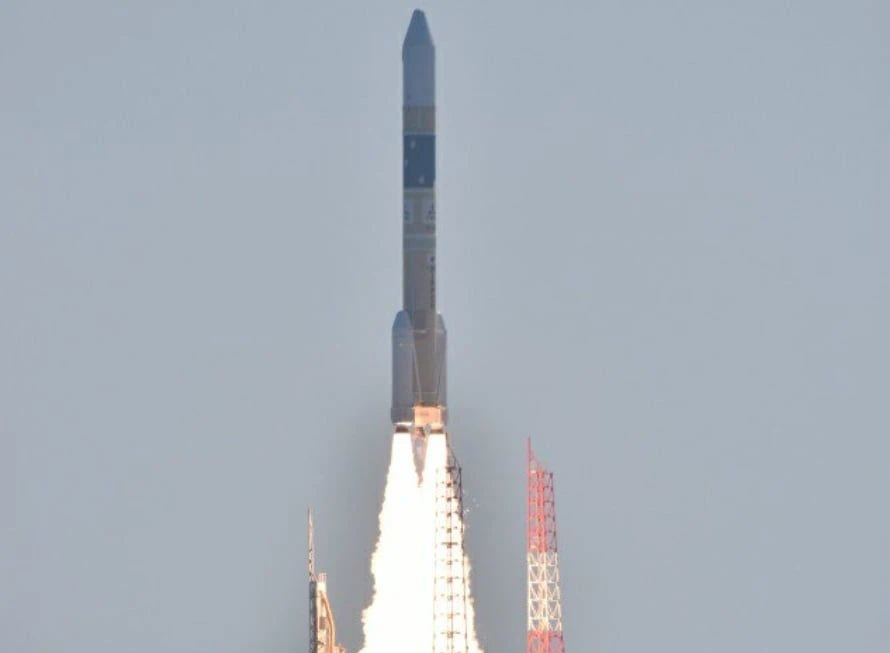
Japanese H-IIA launches IGS Optical 6 satellite
A Japanese reconnaissance satellite rode to orbit Tuesday aboard the country’s H-IIA carrier rocket. Liftoff, from the Tanegashima Space Centre, occurred at the opening of a fourteen-minute window at 12:34 local time (04:34 UTC). Tuesday’s launch deployed IGS Optical 6, part of the optical imaging component of Japan’s Joho Shushu Eisei (JSE) – or Information…
-

Japanese spy satellite launch delayed by poor weather forecast
File photo of a Japanese H-2A rocket. Credit: JAXA A bad weather forecast has prompted Japanese space officials to delay the launch of an H-2A rocket with a high-resolution government-owned reconnaissance satellite by at least 48 hours until Monday night, U.S. time. Ground crews at the Tanegashima Space Center, Japan’s primary spaceport in the southwestern…
-
H-2A rocket launches with Japanese radar reconnaissance craft
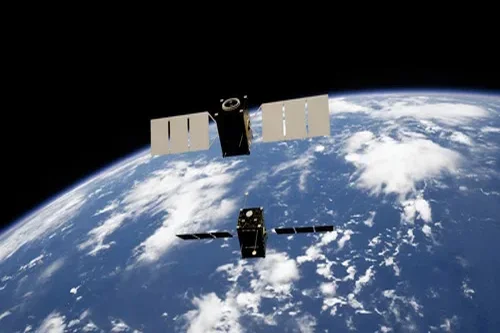
H-IIAロケット33号機の打ち上げ 竹崎展望台より。 pic.twitter.com/dtpaszjeqY — 柴田孔明 (@koumeiShibata) March 17, 2017 A Japanese spy satellite launched aboard an H-2A rocket Friday, heading for a 300-mile-high (500-kilometer) orbit to track North Korean and Chinese military movements as tensions run high in the region. Equipped with a cloud-penetrating radar capable of seeing targets day or night, the secretive spacecraft was…