
Tag: In-Orbit Servicing
-
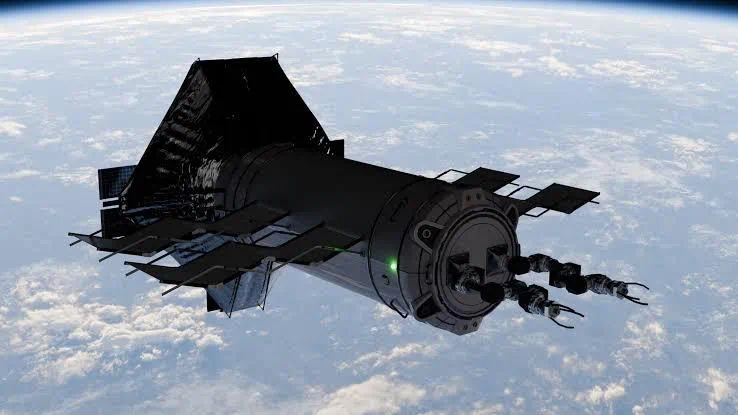
Spaceium Opens OpenPort Refueling Hardware to Industry for $1
When a satellite runs out of fuel in orbit, its useful life ends, a model some compare to throwing out a car every time the gas light comes on. Spaceium aims to change that by enabling satellites to operate as long as their electronics and other systems function, to maneuver without conserving fuel, and to…
-
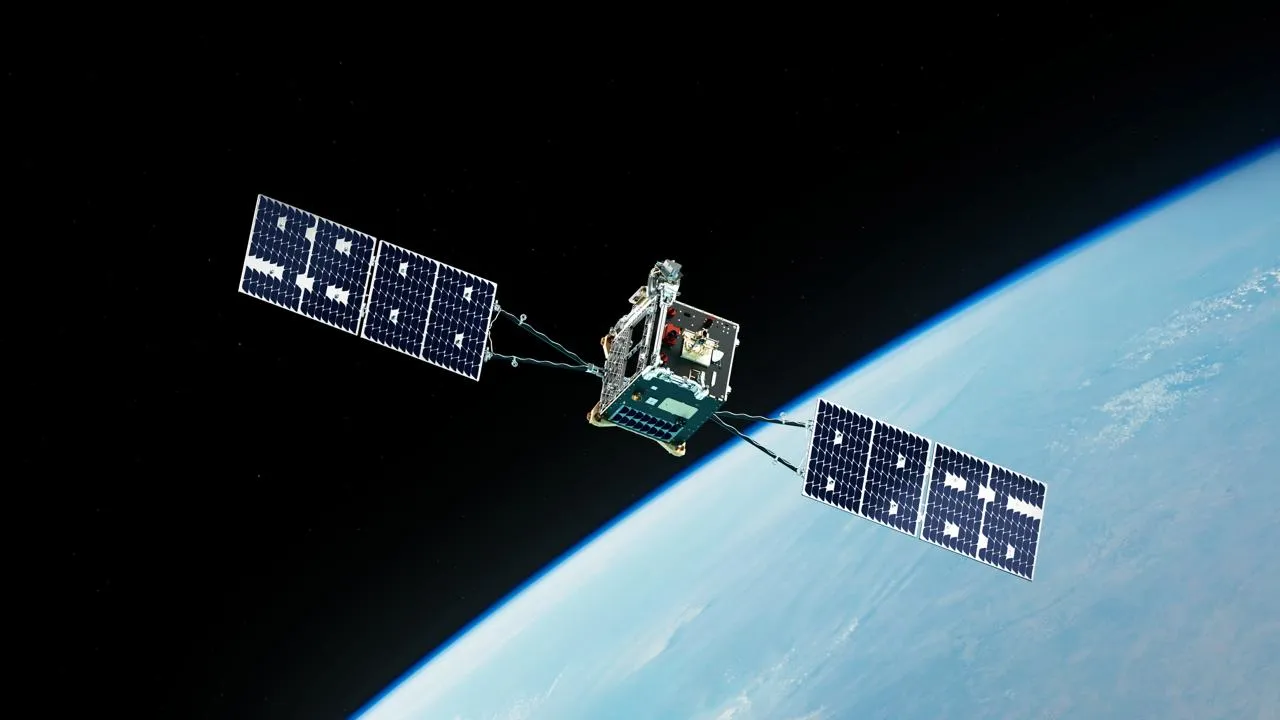
Starfish Loses Otter 24C as Fault Protection Error Ends $15M NASA Inspection Mission
Otter 24C launched on SpaceX’s Transporter-18 rideshare on October 1 and established contact with the ground shortly after deployment. The mission, formally the Small Spacecraft Propulsion and Inspection Capability mission, was designed to approach and inspect multiple defunct US satellites to gather data for potential future deorbit missions. The spacecraft was headed to a graveyard…
-
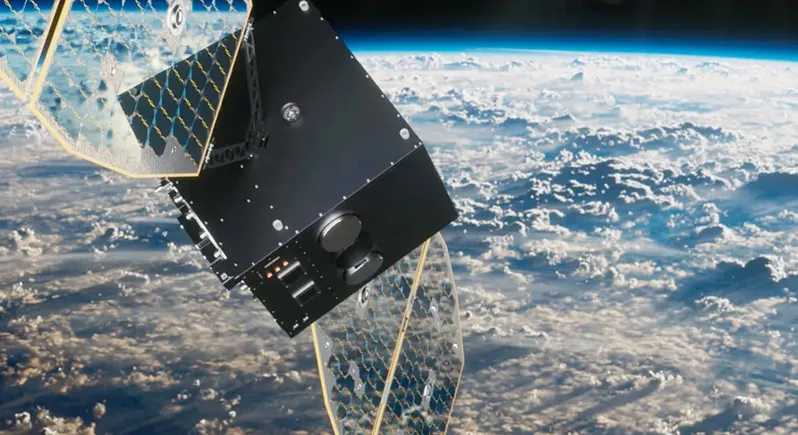
Space Inventor and Astroscale Japan Develop Architecture for In-Orbit Satellite Servicing and Repair
Danish satellite manufacturer Space Inventor and Astroscale Japan announced on September 16, 2026, that they are developing a joint spacecraft architecture intended to enable in-orbit satellite servicing, maintenance and repair. The system combines Space Inventor’s modular small-satellite platforms with Astroscale’s rendezvous, proximity-operations and docking technologies, aiming to address spacecraft failures and propellant depletion in low…
-
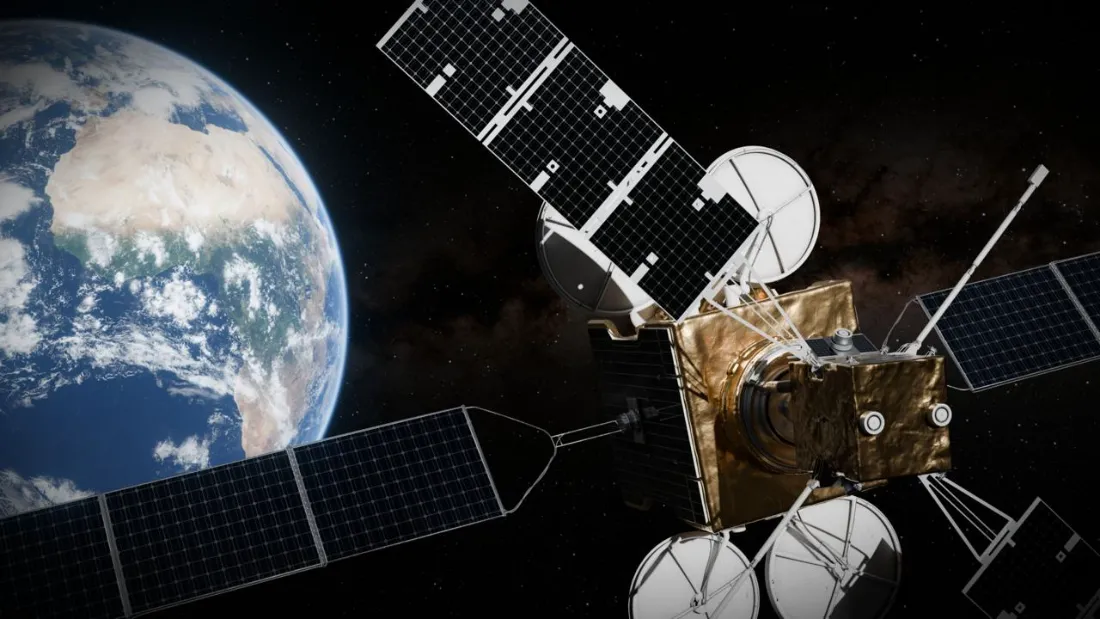
Eutelsat Orders GEO Satellite Life Extension Mission from Infinite Orbits
Eutelsat has selected French in-orbit servicing company Infinite Orbits to extend the operational life of at least one satellite in its geostationary fleet, the companies announced September 10 during the International Space Summit in Paris. The agreement gives Infinite Orbits its third commercial life-extension customer and expands the order book for its Endurance servicing spacecraft.…
-

UK Launches £7.8 Billion Space Strategy Focused on Defence and Resilient Satellite Communications
The UK government launched a new national space strategy on September 8, bringing £7.8 billion in planned investment through 2030 under a single framework covering economic growth, defence and national security. The plan prioritises military space capabilities and calls for a resilient, integrated national satellite communications system to support government and defence operations. The strategy…
-

Pentagon Plans 50 Secure Facilities to Help Space Startups Become National Security Suppliers
The Pentagon announced on September 3 a plan to deploy approximately 50 mobile Sensitive Compartmented Information Facilities across the United States, lowering a barrier that prevents smaller companies—including commercial space startups—from competing for classified defense work. The Secure Space Network will provide accredited workspaces and related information systems where authorized companies can collaborate with government…
-

Isar Aerospace to Launch Astroscale’s ADRAS-J2 Mission to Capture and Remove Three-Ton Space Debris
Astroscale Japan has selected Isar Aerospace to launch ADRAS-J2, a robotic spacecraft designed to capture and deorbit a three-ton abandoned rocket stage. The mission is intended to become the first to remove an existing large piece of orbital debris that was not designed for servicing or retrieval. The companies announced the launch agreement on September…
-

When a Satellite Fails, Will Insurers Pay the Claim or Fund a Repair Mission?
In 1984, two communications satellites, Westar 6 and Palapa B2, were placed into incorrect orbits due to an upper-stage malfunction. Their insurers were already facing a massive loss, but instead of simply paying out the claims, they signed an agreement with NASA to have the Space Shuttle retrieve the two satellites from space and return…
-
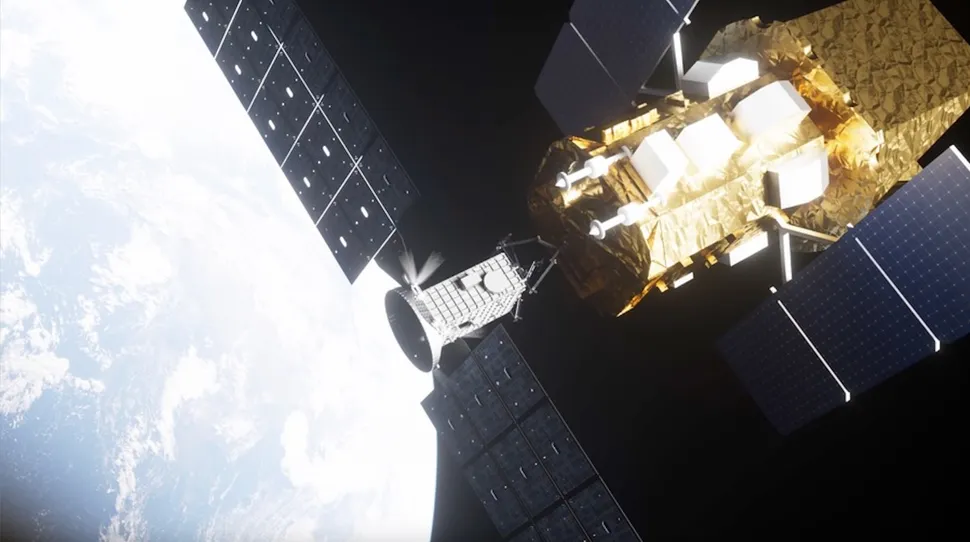
NASA Ends Swift Telescope Rescue After Private Servicer Loses Attitude Control
NASA has called off the effort to save the Neil Gehrels Swift Observatory after the private spacecraft sent to raise the aging telescope’s orbit failed to overcome persistent attitude-control problems. The Swift Boost mission was intended to demonstrate a new model for satellite servicing: instead of replacing an aging spacecraft, a relatively small commercial vehicle…
-
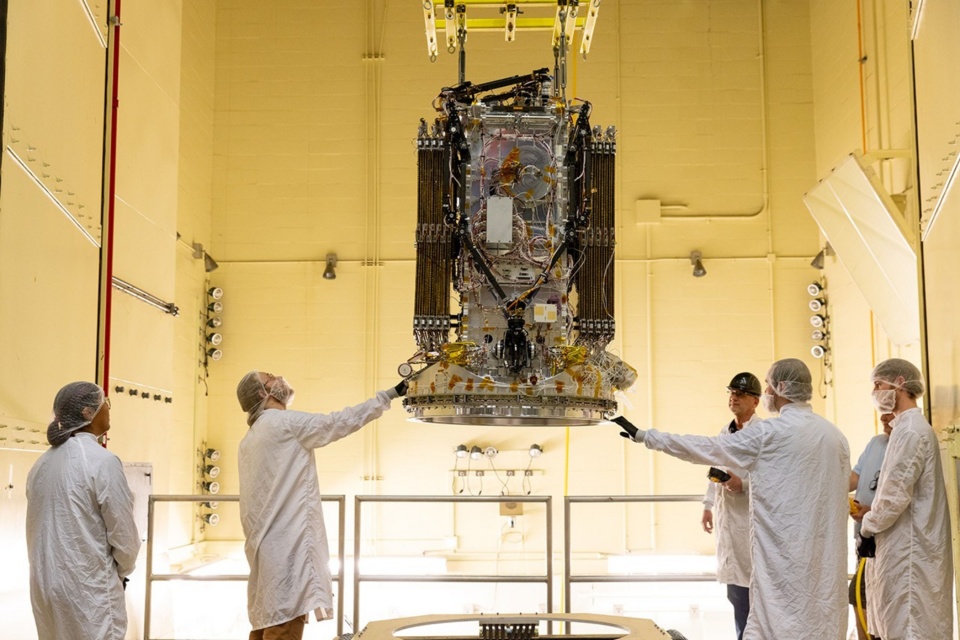
Katalyst Space Raises $12 Million to Advance GEO Satellite Servicing Vehicle
Katalyst Space has secured $12 million in new funding to support the development of its first geostationary orbit (GEO)-capable robotic servicing spacecraft, NEXUS, which is scheduled to launch aboard an Arianespace Ariane 6 rocket in 2027. The funding round was led by Geodesic Capital, with participation from Fortitude Ventures and several undisclosed investors. The capital…