
Tag: Low Earth Orbit
-

China Sets 2030 Targets for Next-Generation Communications and Low-Earth-Orbit Satellite Internet
China will accelerate construction of low-Earth-orbit satellite internet systems and integrate satellite networks more closely with terrestrial communications infrastructure under its 15th Five-Year Plan, including the development of direct-to-device satellite services and satellite Internet of Things applications. The space-based network will form part of a wider program to establish a high-performance national communications system by…
-
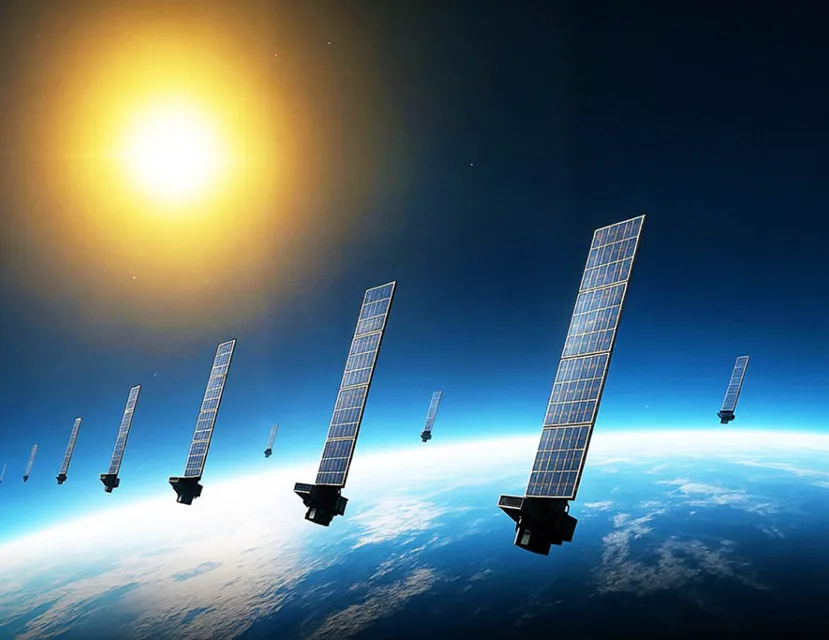
Elon Musk Says Starlink Could Carry Most Global Internet Traffic Within a Decade
SpaceX Chief Executive Elon Musk said on September 23, 2026, that Starlink could carry the majority of global internet traffic within ten years, an ambitious forecast tied to the deployment of higher-capacity Starlink V3 satellites and proposed Starmind spacecraft combining broadband connectivity with orbital computing. The projection would represent a fundamental change in internet infrastructure.…
-

Impulse Space Wins $28 Million Space Force Contract for LEO-Based GEO Surveillance Mission
Impulse Space has received a $28 million U.S. Space Force contract to provide a maneuverable Mira spacecraft for a space domain awareness mission scheduled to launch no earlier than 2029. The spacecraft will operate in low Earth orbit while carrying an optical sensor designed to track and characterize objects in geostationary orbit. A government-provided launch…
-
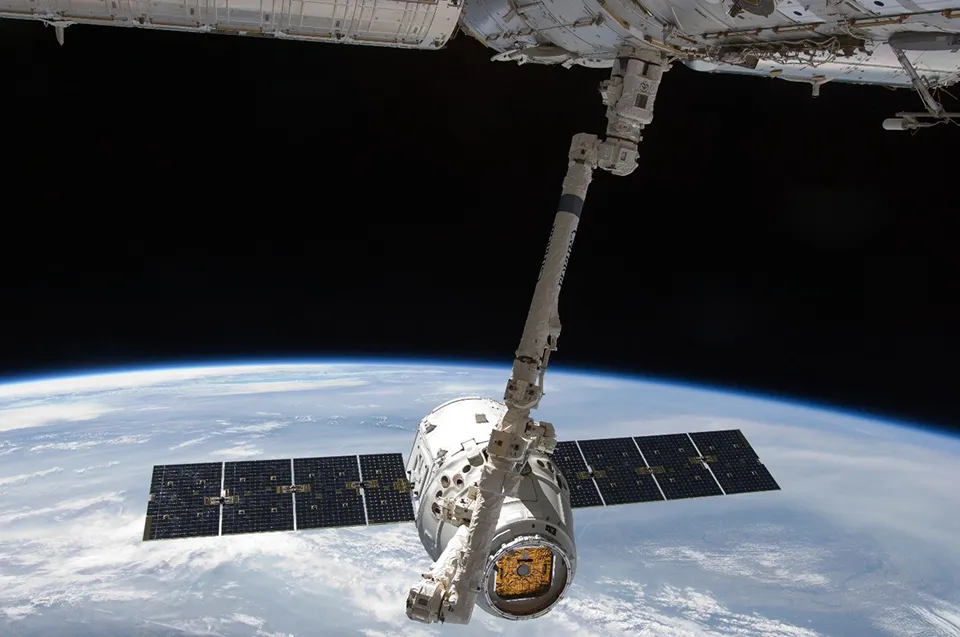
DMU41 IMU Recovers From Proton Strikes and Withstands 30 kRad Radiation Test
Silicon Sensing said on September 23 that eight DMU41 inertial measurement units returned to normal operation after single-event effects testing with protons at energies from 50 to 200 MeV, while separate total ionizing dose trials exposed the units to as much as 30 kRad(Si). Post-test acceptance procedures found no significant performance drift, providing satellite developers…
-
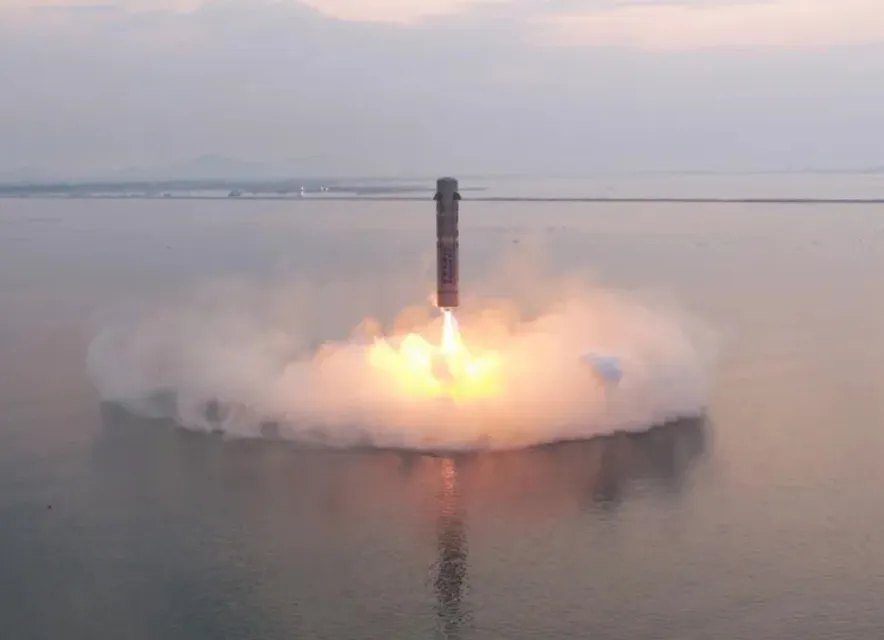
Space Epoch Raises $343 Million to Fund Reusable Yuanxingzhe-1 Rocket
Chinese commercial launch company Space Epoch has completed a Series B++ financing round, bringing its total funding raised over the past six months to more than 2.3 billion yuan, or approximately $343 million. The capital will support the first orbital flight of its reusable Yuanxingzhe-1 methane-fueled rocket, first-stage recovery testing and the development of commercial…
-
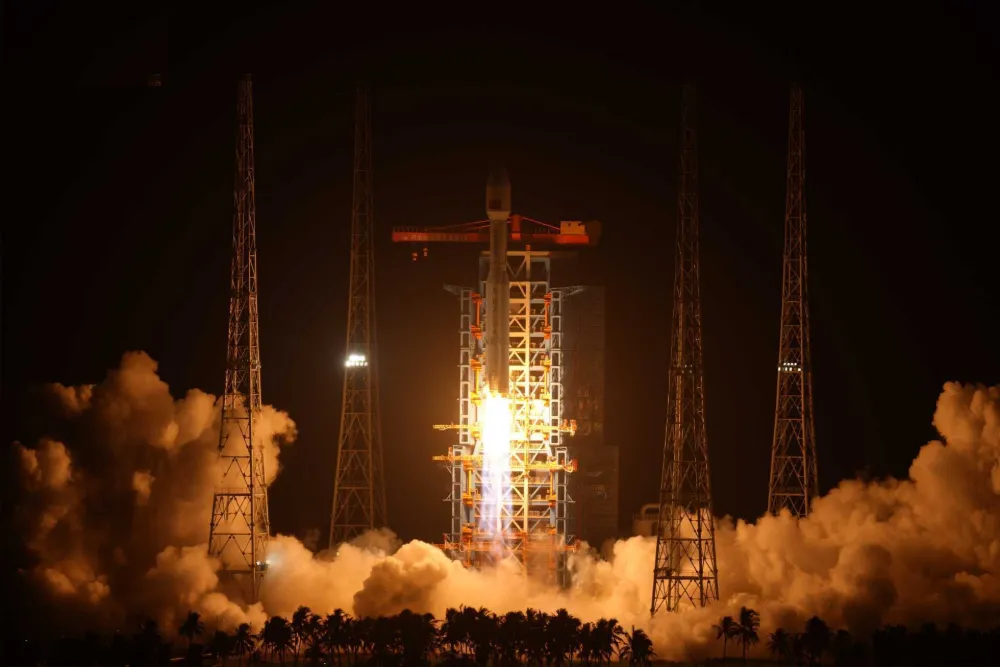
China Launches Satellite Internet LEO Group 26 on Long March 8A (Video)
China launched its 26th group of low-Earth-orbit satellite internet spacecraft aboard a Long March 8A rocket at 9:32 p.m. Beijing time on September 23, 2026. The rocket lifted off from the Hainan Commercial Space Launch Site and successfully placed the satellites into their designated orbit, continuing the country’s accelerated deployment of space-based broadband infrastructure. The…
-
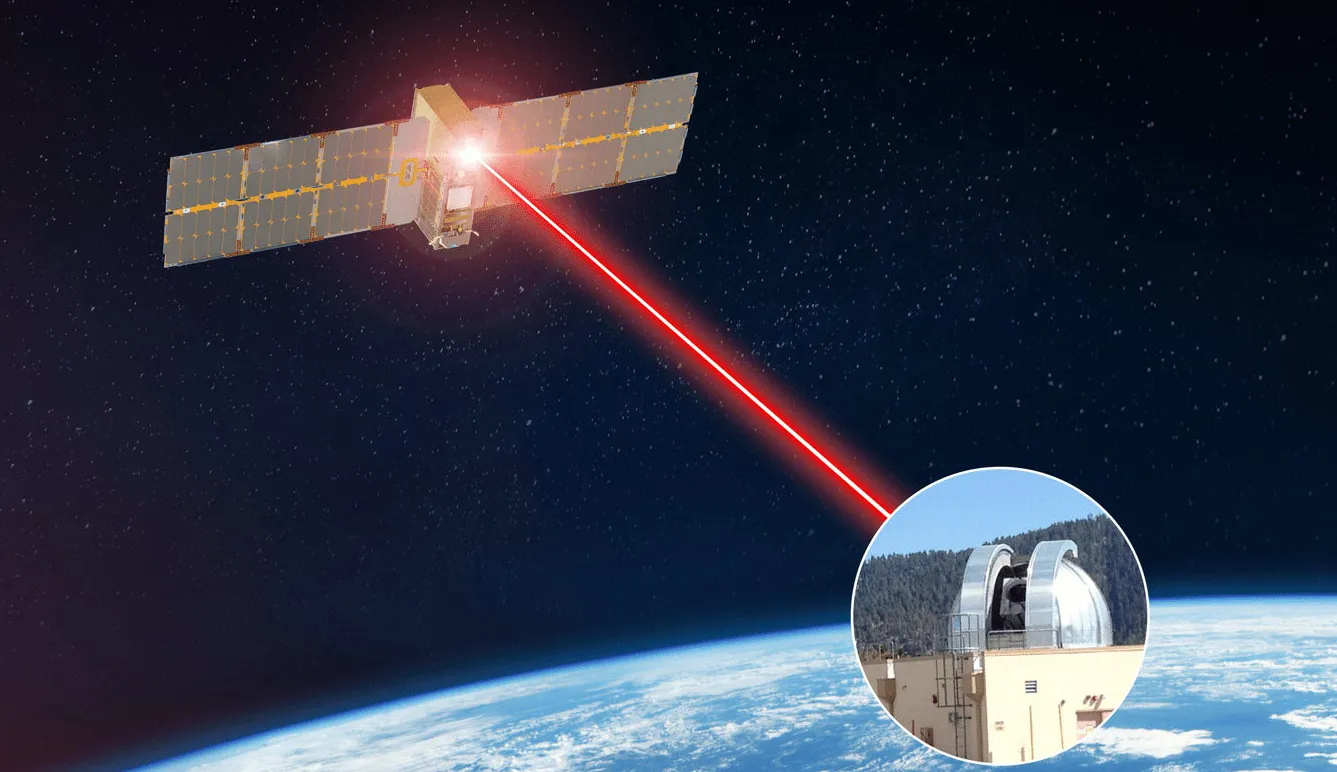
Space-Based Optical Communications Move From Flight Demonstrations to Operational Networks
Space-based optical communications are moving from experimental missions toward operational deployment as satellite operators seek higher-capacity alternatives to congested radio-frequency links. An industry assessment published September 20 said space-qualified laser terminals are now supporting data rates of up to 10 gigabits per second in orbital applications, while standardized optical inter-satellite links are becoming part of…
-
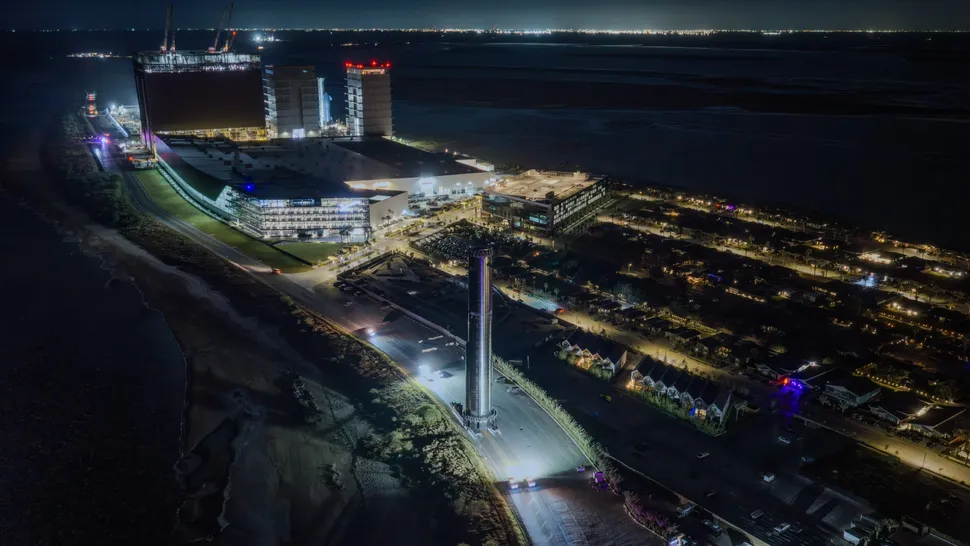
SpaceX Rolls Super Heavy to Launch Pad for Starship’s First Orbital Flight
SpaceX moved the Super Heavy booster assigned to Starship Flight 14 to the launch pad at Starbase, Texas, on September 21, advancing preparations for the vehicle’s first orbital mission. Targeted for September 28 pending regulatory approval, the flight is expected to complete six Earth orbits and deploy 26 operational Starlink V3 satellites. The booster, identified…
-
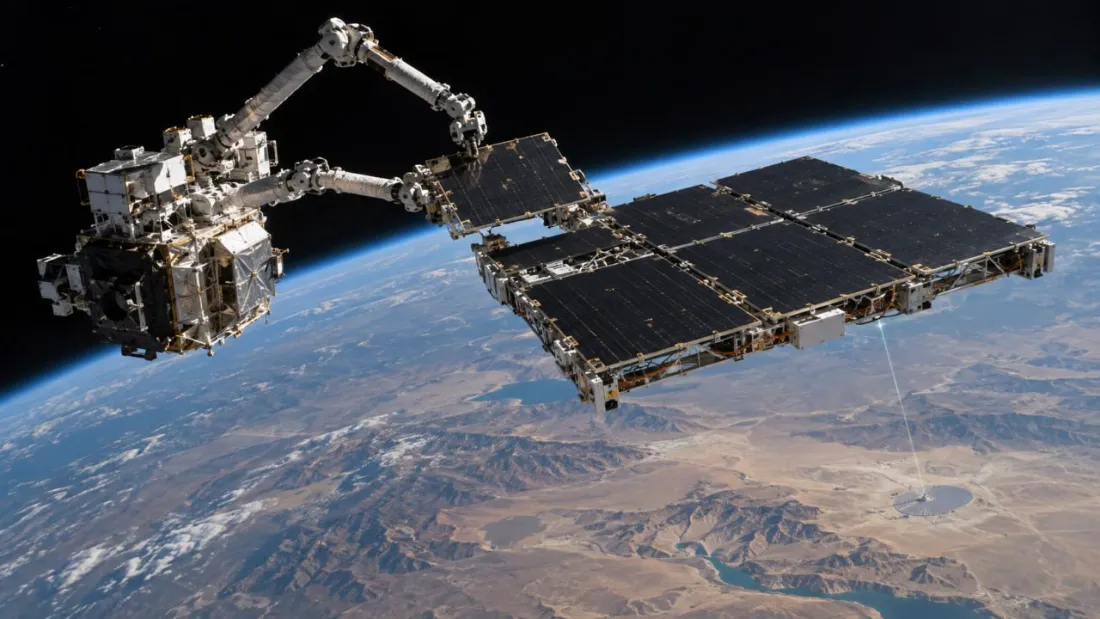
Katalyst Selected to Build and Launch Orbital Power-Beaming Demonstrator for Pentagon
Katalyst Space has been selected by the Pentagon’s Operational Energy Capability Improvement Fund to develop and launch a robotic spacecraft that will assemble a large-format solar power-beaming system in low Earth orbit and transmit energy to Earth. Announced on September 21, the Advanced Scalable Growth Architecture for Robotic Deployment program will pair Katalyst’s NEXUS spacecraft…
-
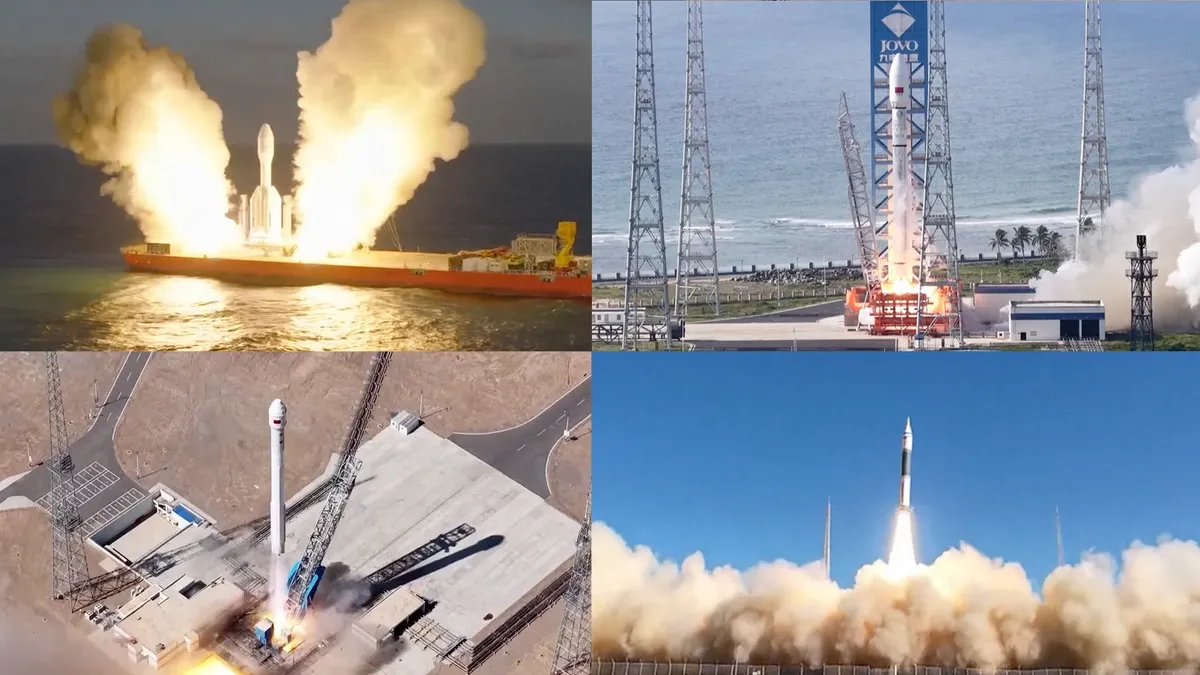
China Launches Four Rockets in 45 Hours as Broadband Constellation Deployment Accelerates
China completed four orbital launches with four different rockets in just over 44 hours between September 15 and 17, 2026, deploying satellites from Jiuquan, an offshore platform east of Shanghai, and the Hainan Commercial Space Launch Site. The sequence involved two commercially developed launch vehicles and two rockets operated by state-owned groups, highlighting the growing…