
Tag: MAVEN
-
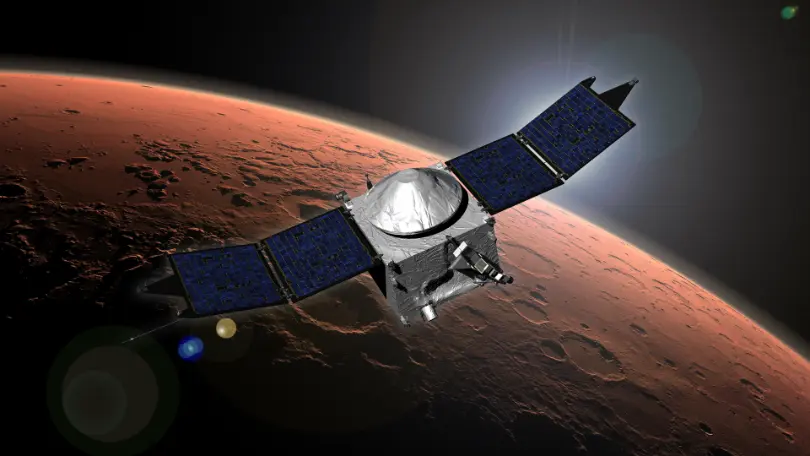
NASA concludes MAVEN mission at Mars, uses data to discover new atmospheric phenomenon
Following a six-month battle to regain communication with its Mars Atmosphere and Volatile Evolution (MAVEN) spacecraft around Mars, NASA announced the conclusion of the MAVEN mission on June 3rd. The mission, which launched to the red planet in 2013, studied the Martian atmosphere and its evolution for 11 years — over a decade longer than…
-
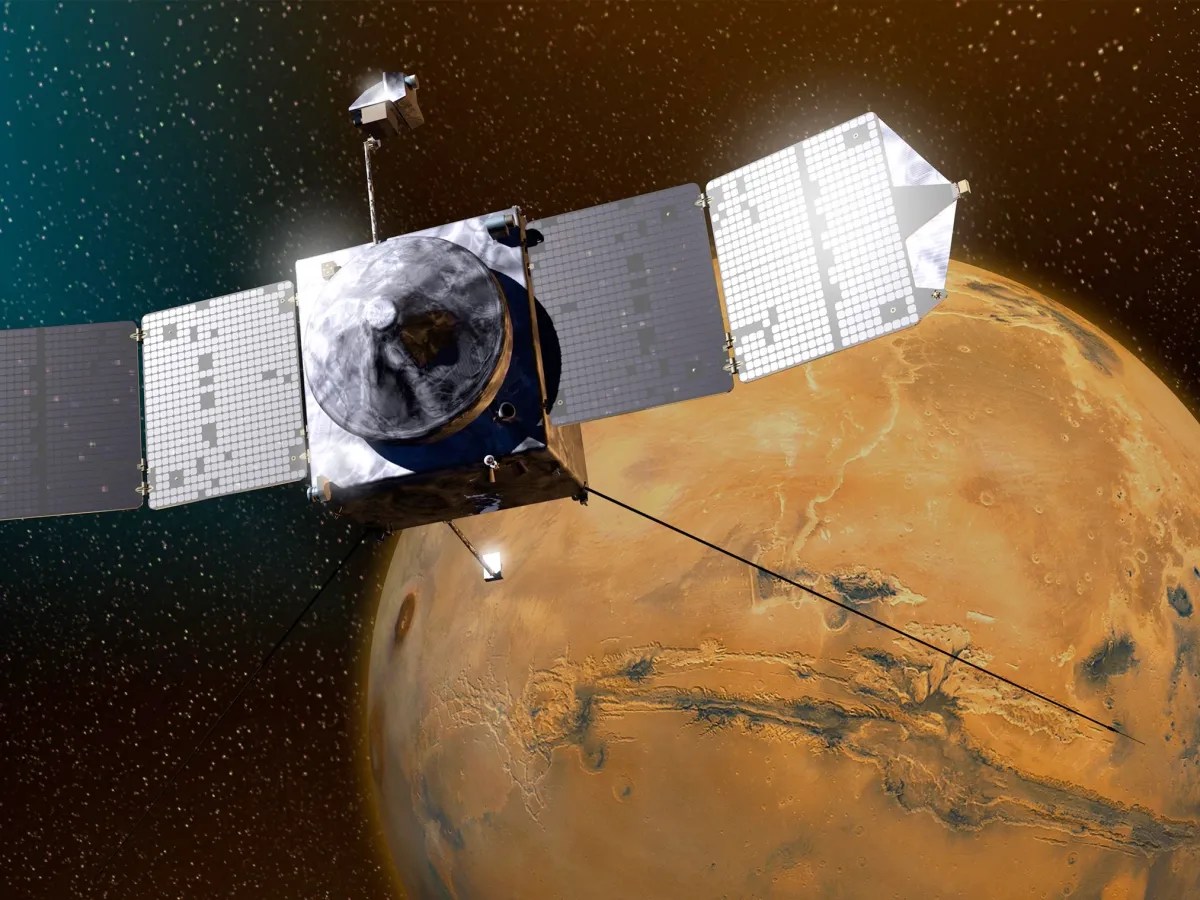
NASA Declares MAVEN Mars Mission Ended After Spacecraft Falls Silent
NASA has officially declared the end of its MAVEN mission after the spacecraft orbiting Mars became unresponsive and could not be recovered following a communications loss that began in December. The agency confirmed the mission’s conclusion on Wednesday, bringing to a close more than a decade of scientific observations of the Red Planet. Contact Lost…
-

Space Science in 2026: New lunar explorers, Mars missions, and space telescopes
With many missions on the manifest, the new year promises to be packed with space science. Two interplanetary spacecraft will arrive at their destinations as another Mars window opens in late 2026. Meanwhile, multiple space telescopes have their launch dates set for this year, and the schedule promises an increased cadence for lunar missions. The…
-
NASA loses contact with MAVEN, Perseverance continues roving around Jezero
In early December, NASA lost contact with its MAVEN spacecraft, which has been orbiting Mars since 2014. MAVEN was supposed to reestablish communications with NASA’s Deep Space Network on Dec. 6 after emerging from behind Mars during a routine blackout period when the spacecraft’s orbit takes it behind the red planet, blocking all communications to…
-

MAVEN reveals Martian atmospheric time capsule on Phobos as Mars fleet prepares for arrival
Data from NASA’s Mars Atmosphere and Volatile EvolutioN (MAVEN) spacecraft has revealed the unsurprising — yet previously not searched for — presence of Martian atmospheric ions preserved in the top layer of regolith on the planet’s innermost moon, Phobos. The announcement comes as an international fleet of Emirati, Chinese, and American spacecraft are set to…
-
MAVEN lowers orbit, solves case of the stolen electrons
NASA’s MAVEN spacecraft in orbit of Mars has begun a series of aerobraking maneuvers with the planet’s atmosphere to lower its orbit as the craft prepares for its added task of serving as a communications relay station for NASA’s upcoming Mars 2020 rover scheduled to launch next year. The orbit lowering operation comes four years…
-

Year In Review, 2017 (Part II): Rovers, orbiters peel away Mars’ secrets & reveal new mysteries
For solar and space weather science, 2017 was a major boon to understanding how Coronal Mass Ejections form, travel through space, and affect Earth. But Earth wasn’t the only planet this year that gave scientists a front row seat to solar storms. Thanks to the fleet of orbiters and rovers at Mars, the Red Planet…
-
Scientists say thinning atmosphere drove the drying and cooling of Mars
Artist’s concept of a solar storm hitting Mars and stripping ions from the upper atmosphere. Credit: NASA/GSFC Data collected by NASA’s MAVEN spacecraft in its first two years at Mars confirm suspicions that the solar wind is blasting away the planet’s atmosphere and helped transform the world from a warmer, wetter and potentially habitable world…
-

NASA spacecraft steers clear of Martian moon Phobos
ESA’s Mars Express spacecraft took this image of Phobos backdropped by the limb of Mars. Credit: ESA/DLR/FU Berlin (G. Neukum) NASA’s MAVEN spacecraft in orbit around Mars maneuvered out of the path of Phobos earlier this week after navigators predicted the spacecraft could run into the Martian moon in the near future, highlighting the challenge…
-
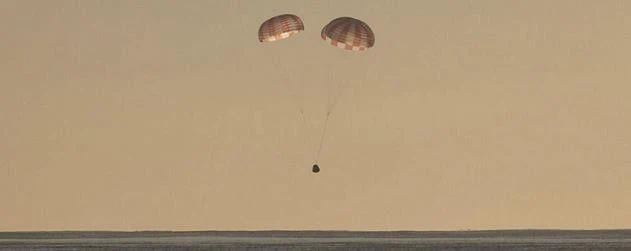
Year In Review (I): Planetary orbit successes mark inner solar system returns
Throughout the inner solar system in 2016, NASA, ESA, JAXA, Roscosmos, and ISRO built upon their prior year successes and demonstrated a coordinated and cooperative approach toward advancing scientific returns from around Earth’s immediate neighbors. For these agencies, non-Earth orbital exploration yielded surprising and dramatic changes to our views of the Sun, Venus, the Moon,…