
Tag: NASA
-
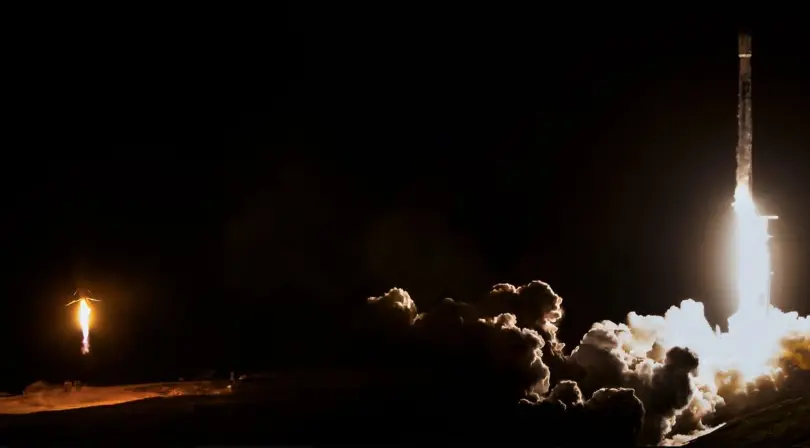
SpaceX launches CAS500-2 and 45 other payloads to Sun-synchronous orbit
SpaceX successfully launched its third rideshare mission of 2026 aboard Falcon 9. The mission carried the Compact Advanced Satellite 500-2 (CAS500-2) and 45 other payloads as part of SpaceX’s rideshare program. Falcon 9 launched from Space Launch Complex 4 East (SLC-4E) at Vandenberg Space Force Base in California, and recovered the veteran first-stage booster, B1071,…
-

Janet Petro Steps Down as Kennedy Space Center Director
What does Janet Petro’s retirement mean for Kennedy Space Center operations? Janet Petro, director of NASA’s Kennedy Space Center since 2021, announced her retirement Friday after a 19-year career with the agency. Her departure comes as KSC manages the most ambitious launch manifest in decades, including multiple Artemis Program missions, Commercial Crew Program flights, and…
-
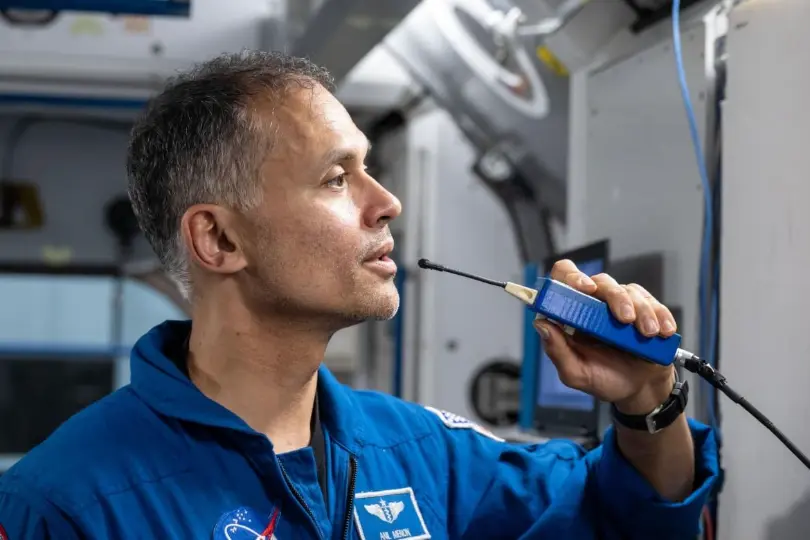
Next NASA ISS astronaut, doctor discusses upcoming mission
A doctor who has assisted in mass casualty events, served overseas, and has assisted both NASA and SpaceX crews with their health is now getting his chance to go to space. Dr. Anil Menon will launch to the International Space Station (ISS) onboard a Soyuz rocket no earlier than July 14 on the MS-29 mission.…
-
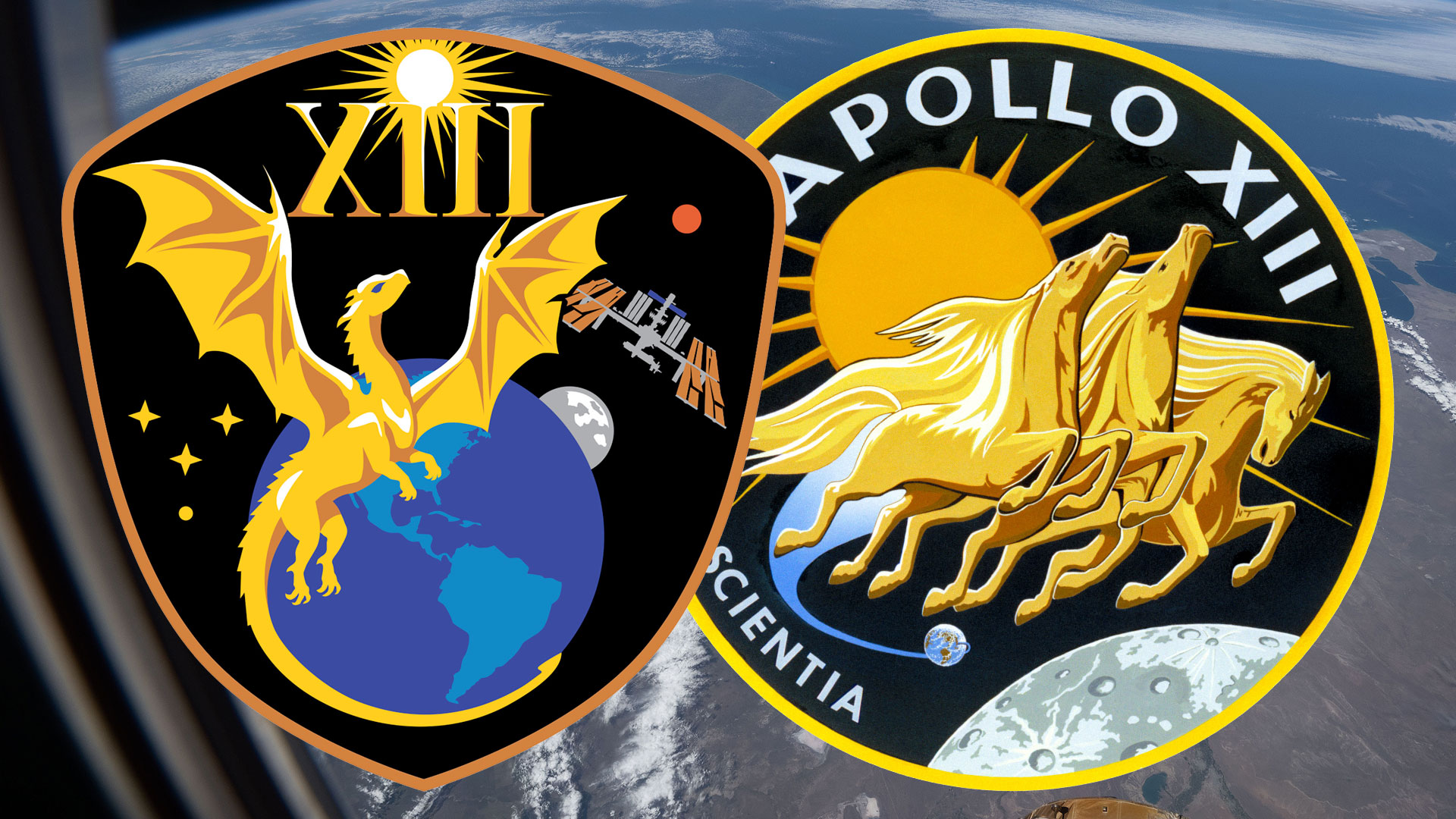
With new patch design, the Crew-13 astronauts clearly aren’t superstitious
NASA has assigned its first crew to launch on a mission “13” since Apollo 13 “had a problem” on the way to the Moon 56 years ago. Jessica Watkins and Luke Delaney with NASA, Joshua Kutryk with the Canadian Space Agency, and Roscosmos cosmonaut Sergey Teteryatnikov will lift off for the International Space Station as…
-
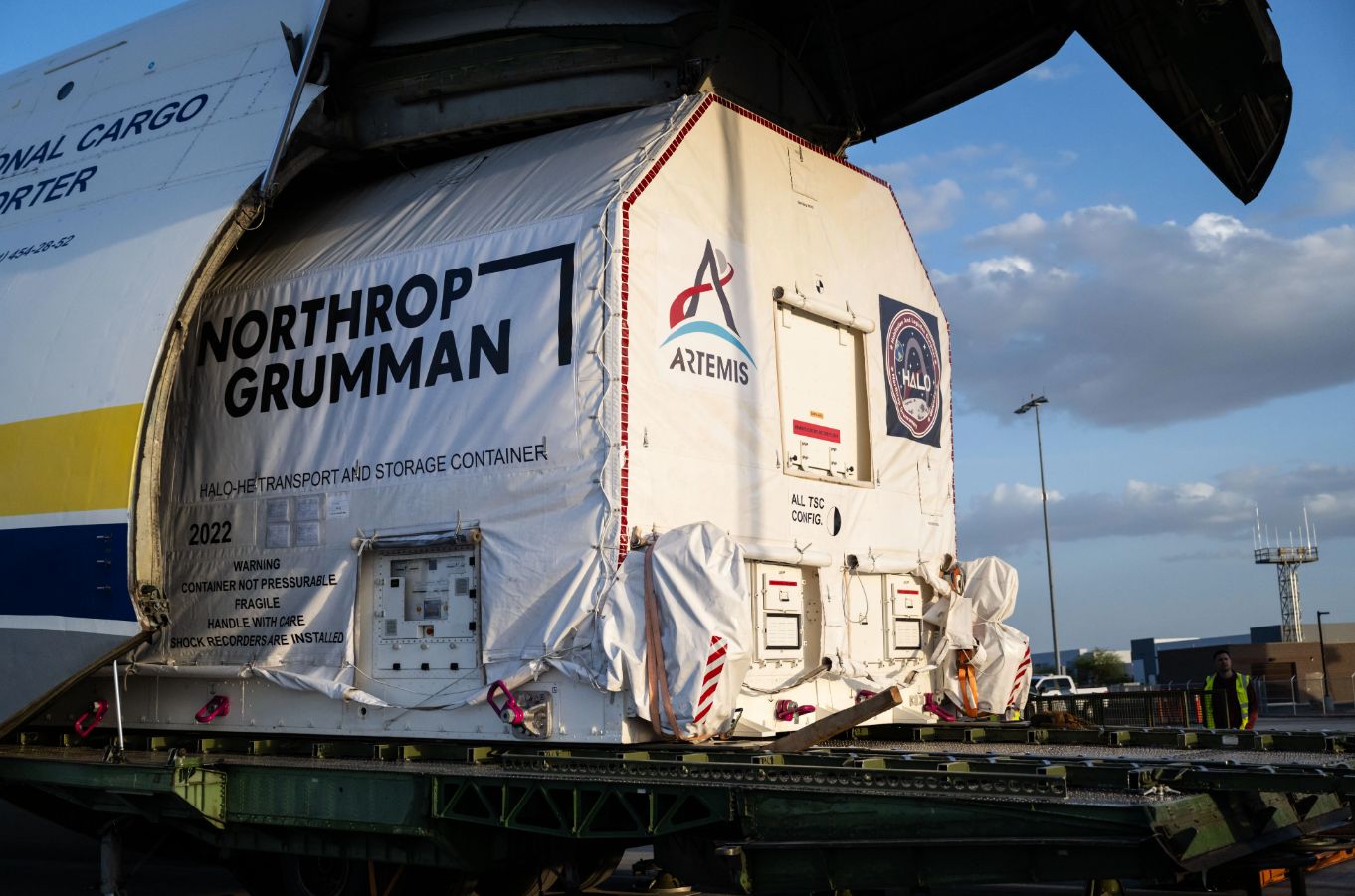
Gateway manufacturer finally acknowledges issue, fails to mention “corrosion”
One of the more intriguing space stories in a while broke last week when NASA Administrator Jared Isaacman said during a congressional hearing that the two habitation modules built for the Lunar Gateway had been corroded. The immediate response to these comments on Wednesday before a House committee from some space industry observers was doubt—Isaacman,…
-

NASA Gateway Modules Show Corrosion After Years in Storage
What’s causing delays with NASA’s Lunar Gateway modules? NASA’s Lunar Gateway faces a significant setback as its primary modules—the Habitation and Logistics Outpost (HALO) and Power and Propulsion Element (PPE)—have developed corrosion during extended storage. Originally scheduled to launch in 2022, these critical components for lunar orbit operations have been sitting in storage facilities for…
-
Eight months early and under budget, the Roman Telescope is ready to launch
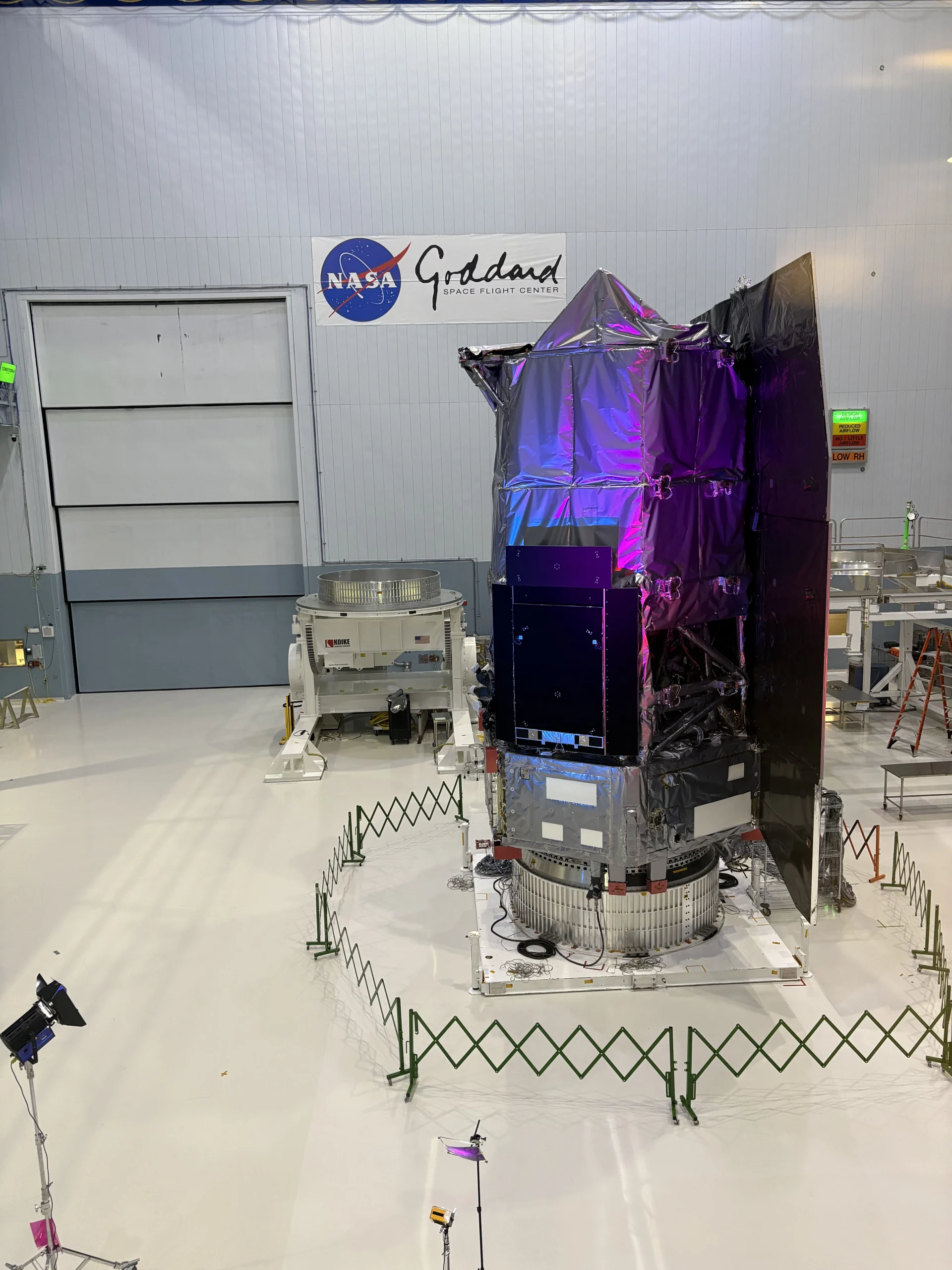
GREENBELT, Md.—On Tuesday, NASA invited the press to look at the fully assembled Nancy Grace Roman Space Telescope, which is now ready to join the ranks of the great observatories in orbit, ahead of its September launch. The Roman Space Telescope (NGRST), named after a key figure in the planning of the Hubble Space Telescope,…
-
NASA Develops On-Demand IV Fluid Production for Deep Space Missions
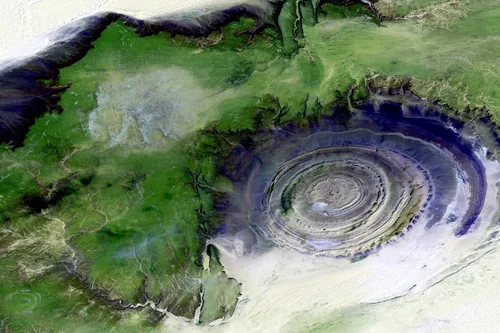
Can astronauts produce their own IV fluids during deep space missions? NASA has developed technology to produce IV fluids on-demand during crewed missions beyond low Earth orbit, addressing a critical medical supply constraint for Artemis Program lunar missions and eventual Mars expeditions. The agency’s new system can manufacture saline solution using purified water and sodium…
-
What’s the deal with spacesuits for the Moon? Will they be ready in time?
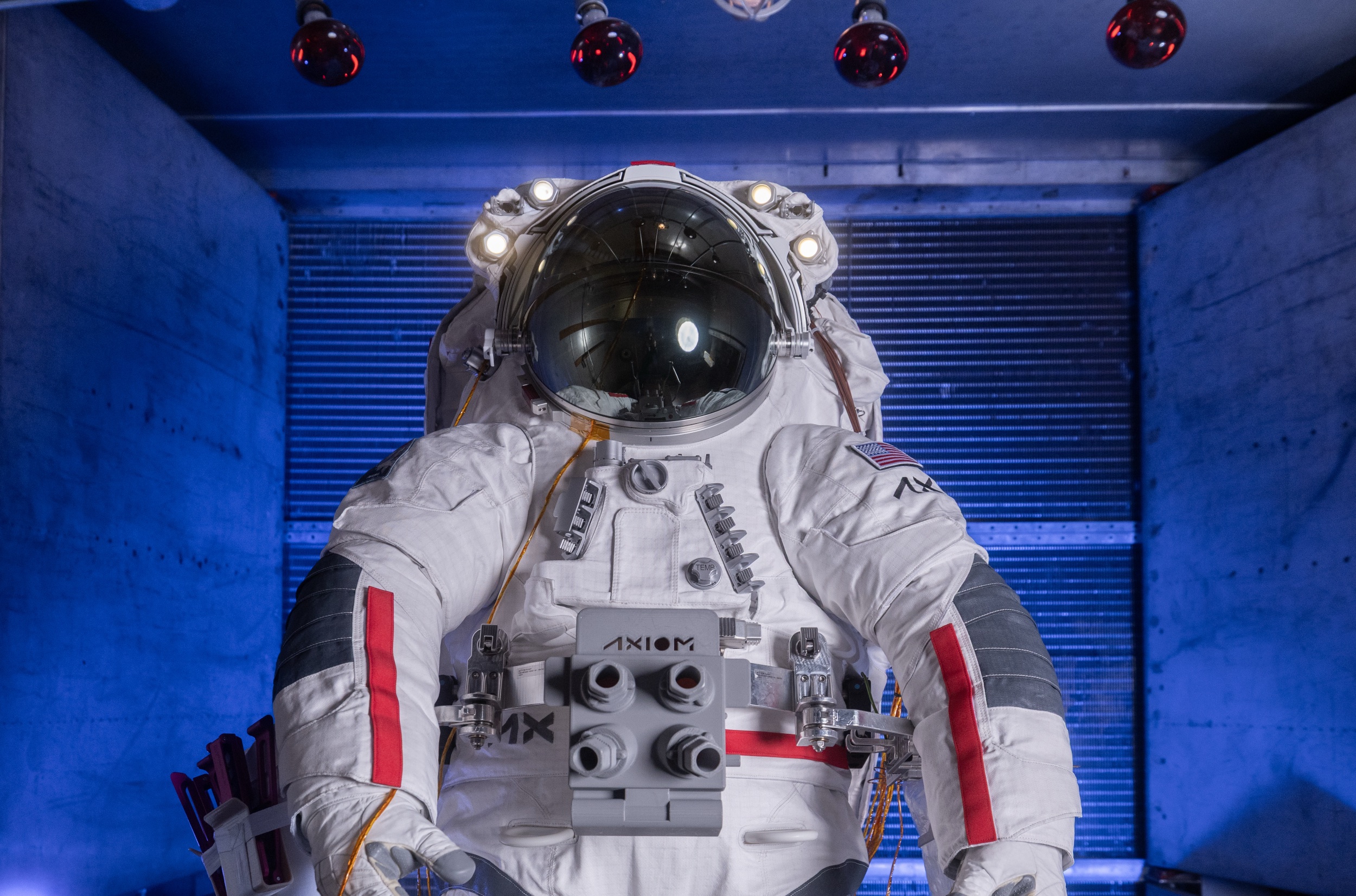
After the successful conclusion of the Artemis II mission earlier this month, focus turned to what comes next in NASA’s roadmap to return humans to the Moon. The biggest question concerned the readiness of lunar landers, the complex and essential machines needed to take astronauts down to the lunar surface and back up to orbit.…
-
Roman Space Telescope Launches September, 8 Months Early
Will the Roman Space Telescope Launch on Schedule? NASA announced today that the Nancy Grace Roman Space Telescope will launch in September 2026, eight months ahead of its original May 2027 schedule and coming in under its $4.2 billion cost cap. The wide-field infrared observatory, designed to investigate dark energy and hunt for exoplanets, represents…