
Tag: Pegasus XL
-

Katalyst Link Spacecraft Hit by Attitude Control Failure
Is the Katalyst Link Spacecraft Still Capable of Rebooting Swift? Two of three reaction wheels have failed on Katalyst Space Technologies’ Link spacecraft — and with NASA’s Neil Gehrels Swift Observatory sitting at approximately 350 kilometers altitude and falling, the margin for error is shrinking fast. In a July 28 social media update, Katalyst confirmed…
-

Katalyst LINK Launches to Reboost NASA Swift Observatory
Is NASA’s Swift Observatory About to Be Saved by a $30M On-Orbit Servicing Mission? Katalyst Space’s LINK on-orbit servicing spacecraft lifted off at 4:26 a.m. EDT on July 4, 2026, aboard Northrop Grumman’s Pegasus XL rocket, targeting NASA’s Neil Gehrels Swift Observatory with a mandate to push the aging gamma-ray telescope into a higher, stable…
-
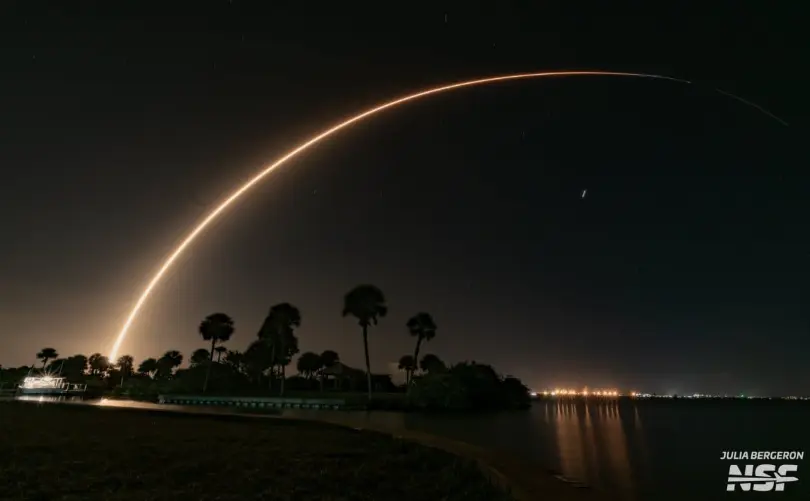
Launch Preview: Swift rescue mission, final Atlas satellite launch
Several orbital launches are scheduled worldwide this week. A mission to rescue the Swift observatory spacecraft is planned along with the first full flight of a South Korean military launcher. This week could also see the final satellite launch by an Atlas family rocket. There is also an Electron launch from New Zealand. The Swift…
-
Pegasus XL set to air launch Swift Boost Mission to save NASA space telescope
In its first mission since 2021, a Northrop Grumman Pegasus XL rocket is scheduled to be air-launched from the Lockheed L-1011 TriStar Stargazer. Riding aboard Pegasus XL is NASA’s Swift Boost Mission, a mission utilizing a robotic servicing spacecraft from Katalyst Space Technologies to raise, or “boost,” the orbital altitude of NASA’s Neil Gehrels Swift Observatory.…
-
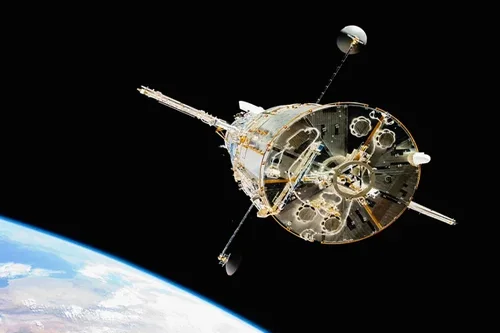
NASA’s $30M Swift Rescue Launches on Pegasus XL’s Final Flight
Can NASA’s $30M LINK Satellite Really Save the Swift Observatory? At 4:36 a.m. EDT on July 3, 2026, a Northrop Grumman Pegasus XL rocket completed its 45th — and final — mission, air-launching Katalyst Space Technologies’ LINK satellite from the L-1011 Stargazer carrier aircraft above the Marshall Islands. The target: NASA’s Neil Gehrels Swift Observatory,…
-
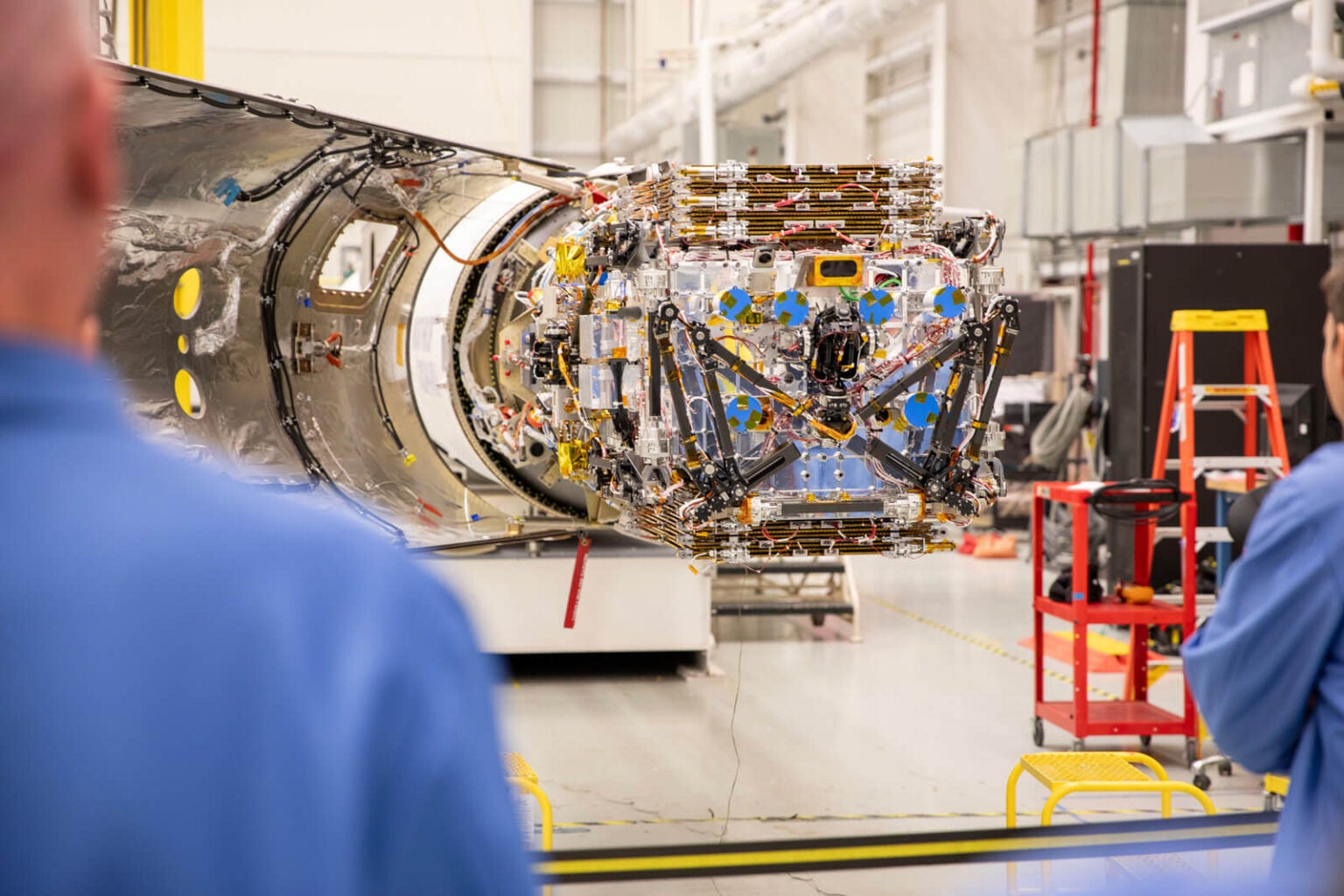
Pegasus Rocket to Launch Mission to Extend NASA Swift Observatory’s Orbit
A Northrop Grumman Pegasus XL rocket is scheduled to launch a robotic servicing spacecraft this weekend on a mission to extend the operational life of NASA’s Neil Gehrels Swift Observatory by boosting it into a higher orbit. The mission will carry Katalyst Space’s LINK servicing spacecraft, which is designed to rendezvous with the Swift Observatory…
-
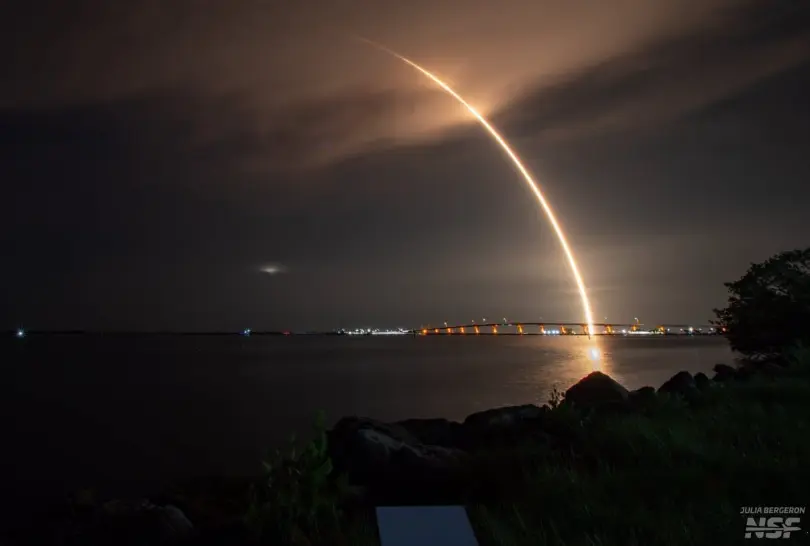
Launch Preview: Pegasus XL to launch amongst Falcon 9 and Chinese missions
This week’s launch manifest includes six orbital launches worldwide, including the first Pegasus XL launch since 2021. SpaceX dominates the schedule with three Starlink missions, the Starfall demonstration mission, and the SXM-11 mission — all of which are to fly on Falcon 9. Internationally, a Chang Zheng 7A launched an unspecified payload on Tuesday. Chang…
-
Katalyst Space Raises $12 Million to Advance GEO Satellite Servicing Vehicle
Katalyst Space has secured $12 million in new funding to support the development of its first geostationary orbit (GEO)-capable robotic servicing spacecraft, NEXUS, which is scheduled to launch aboard an Arianespace Ariane 6 rocket in 2027. The funding round was led by Geodesic Capital, with participation from Fortitude Ventures and several undisclosed investors. The capital…
-

Rescue mission for NASA’s $500 million space telescope passes key testing milestone
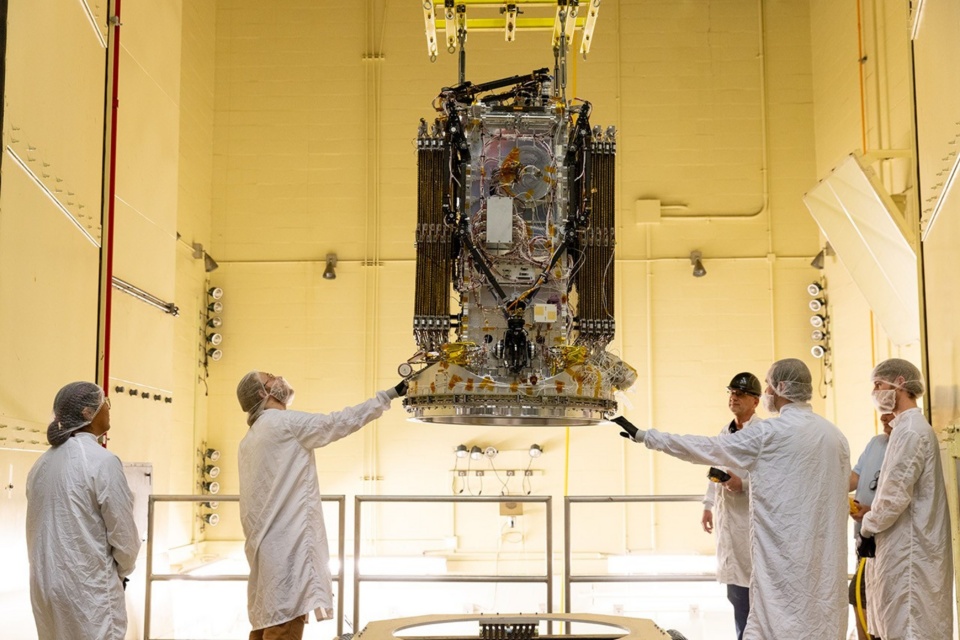
Engineers from Katalyst stabilize their Link robotic servicing spacecraft as it moves into a vibration chamber at NASA Goddard on April 15, 2026. The vibration chamber simulated the intense shaking Link will experience during launch. Image: NASA/Sophia Roberts A mission to prevent a $500 million NASA space observatory from meeting a fiery demise just passed…
-
Pegasus XL rocket successfully launches Tactically Responsive Launch demo for Space Force
Northrop Grumman’s air-launched Pegasus XL rocket made a low-profile launch for the US Space Force Sunday, in a mission designed to demonstrate the ability to call up and conduct a launch at short notice. The launch occurred off the coast of California during a six-minute window that opened at 01:09 PDT (08:09 UTC). The mission…