
Tag: Science
-
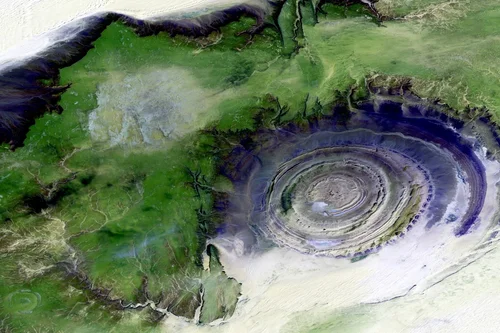
NASA readies unique science experiments and tech demonstrations for Artemis II crew
Artemis II, the next mission in NASA’s Artemis program to explore the Moon, is scheduled to launch from Florida within the coming weeks. The mission will be the first crewed mission to the vicinity of the Moon since 1972, with the four-person crew expected to travel farther than any other human mission in spaceflight history.…
-

Space Science in 2026: New lunar explorers, Mars missions, and space telescopes
With many missions on the manifest, the new year promises to be packed with space science. Two interplanetary spacecraft will arrive at their destinations as another Mars window opens in late 2026. Meanwhile, multiple space telescopes have their launch dates set for this year, and the schedule promises an increased cadence for lunar missions. The…
-
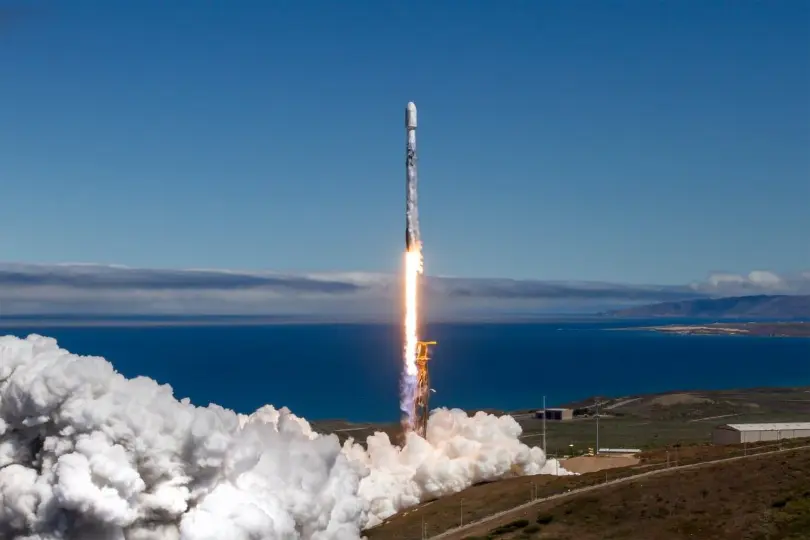
Roscosmos Ionosfera science mission launches atop Soyuz from Vostochny Cosmodrome
A Soyuz 2.1b rocket launched from Site 1S at Vostochny Cosmodrome in Russia, carrying two Ionosfera-M satellites into a Sun-synchronous orbit. Launch took place on Friday, July 25, at 05:54 UTC and saw Soyuz fly on a northern trajectory over vast but sparsely populated territory. The Ionosfera-M no. 3 and no. 4 satellites are flying…
-
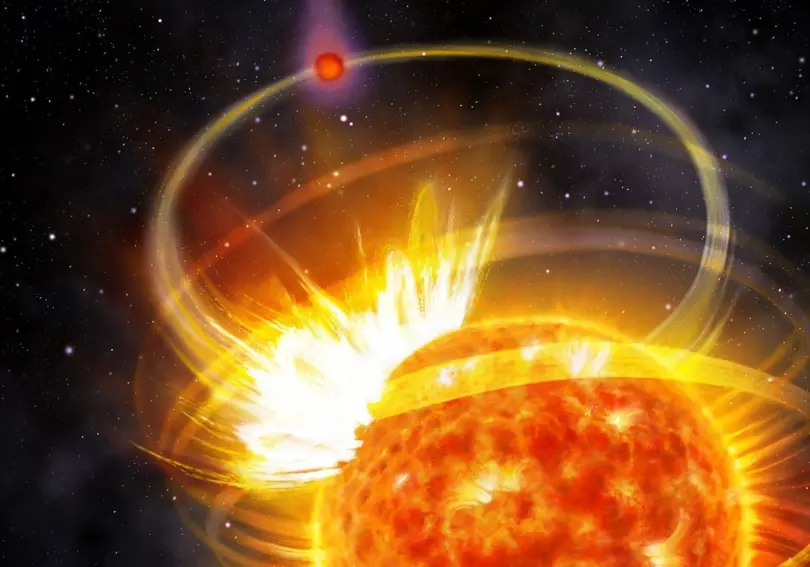
SpaceX, NASA launch TRACERS to study Earth’s magnetic field
SpaceX’s Falcon 9 rocket lifted off from Vandenberg Space Force Base (VSFB) in California, carrying a series of investigative missions and technology demonstrators designed to enable new capabilities and reduce time to launch, with several of them fielded under various NASA programs. NASA’s TRACERS mission and other payloads launched from Space Launch Complex 4 East…
-

Fram2 crew discuss first human mission to orbit Earth’s poles
The first four humans to orbit Earth’s poles are sharing their experiences from their historic mission. In a discussion with NSF, the crew of Fram2 provided insight into their groundbreaking mission and what it’s like to view Earth from polar orbit. On March 31, 2025, a Falcon 9 rocket lifted off from LC-39A at the…
-
Space science in 2024: Moon missions, Martian milestones, astrophysics discoveries, and more
2024 was another busy year for space science, with many new missions, successes, and discoveries across the solar system and beyond. Three new missions were launched to the Moon, while one mission was canceled, and Curiosity and Perseverance continued to explore and make discoveries in their respective regions on Mars. Beyond the Earth-Moon system and…
-

New study reveals Starship’s true sound levels; shows differences between SLS and Falcon 9
When SpaceX launched Starship and Super Heavy for its first flight test in April 2023, the rocket became the most powerful ever flown, mostly due in part to Super Heavy’s 33 Raptor engines. As such, Starship is loud — extremely loud, and scientists and government agencies have long discussed the potential environmental impacts from a…
-

ISS Roundup: new Axiom crewmates, robotic hops, and long-duration mission research
This month, the Axiom Mission 3 (Ax-3) crew joined the seven existing astronauts on the International Space Station (ISS) from the Expedition 70 mission, comprised of the crews of Crew-7 and Soyuz MS-24 — becoming the first all-European crewed mission to the Station. This brings a total of 11 astronauts aboard the ISS and a…
-
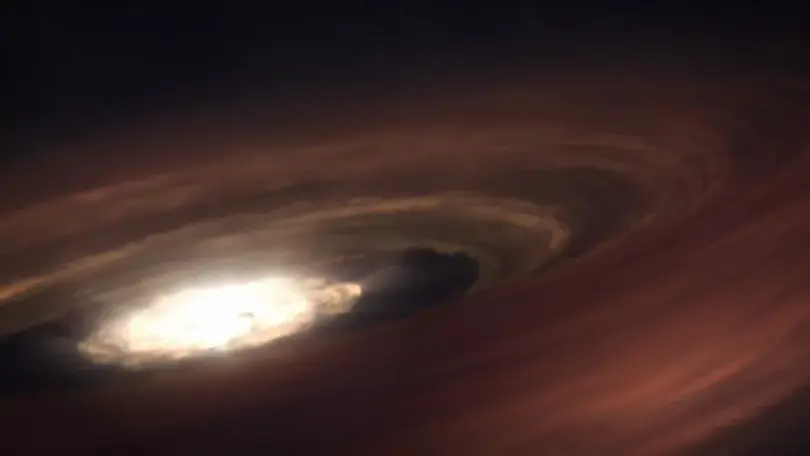
Webb detects neon in young star system, provides insight into planet formation
In 2008, observations from NASA’s now-retired Spitzer infrared space telescope hinted at the presence of neon within the protoplanetary disk of Sun-like star SZ Chamaeleontis (SZ Cha). However, Spitzer’s instruments could not confirm whether this reading was correct. Over a decade after Spitzer’s results were published, the joint NASA, European Space Agency, and Canadian Space…
-
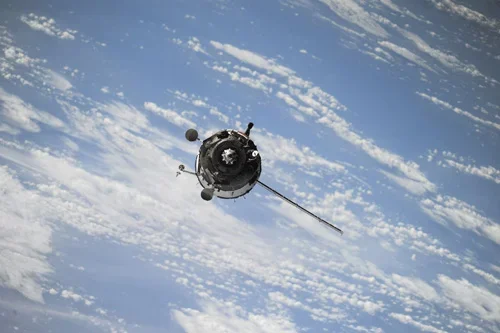
ESA’s Aeolus assisted reentry is ‘pushing the limits’ of space tech and safety
The only satellite to measure the globe’s wind profile from space, Aeolus, has concluded its mission and returned to Earth through a first-of-its-kind assisted reentry on Friday, July 28. The satellite exceeded its mission by two years since its launch in 2018, and with limited propellant left over, ground teams were able to lower the…