
Tag: space exploration
-
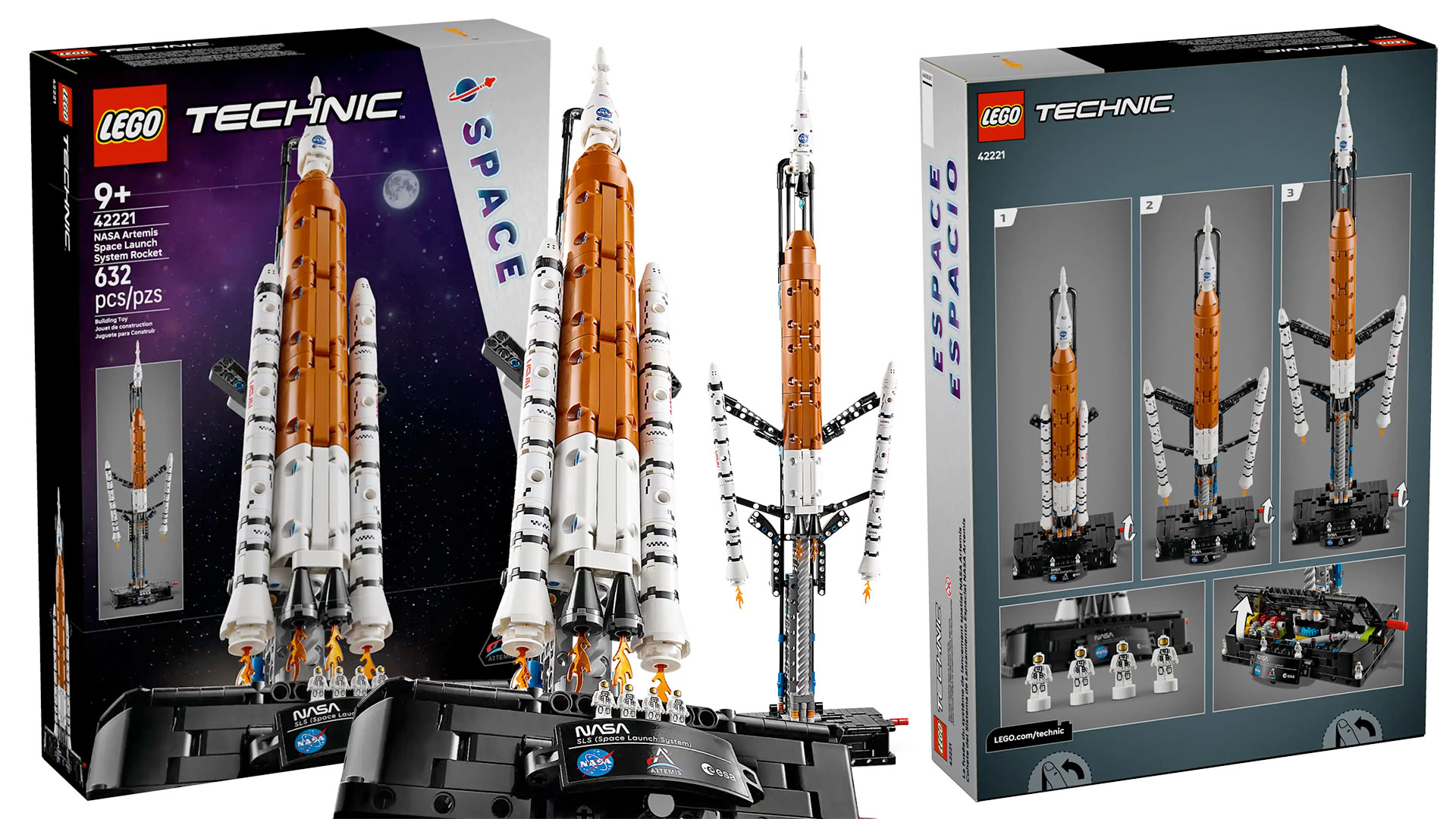
Lego announces NASA Artemis SLS rocket set to lift off (literally) in 2026
How do you top a highly detailed scale model of NASA’s new moon-bound rocket and its support tower? If you’re Lego, you make it so it can actually lift off. Lego’s NASA Artemis Space Launch System Rocket, part of its Technic line of advanced building sets, will land on store shelves for $60 on January…
-
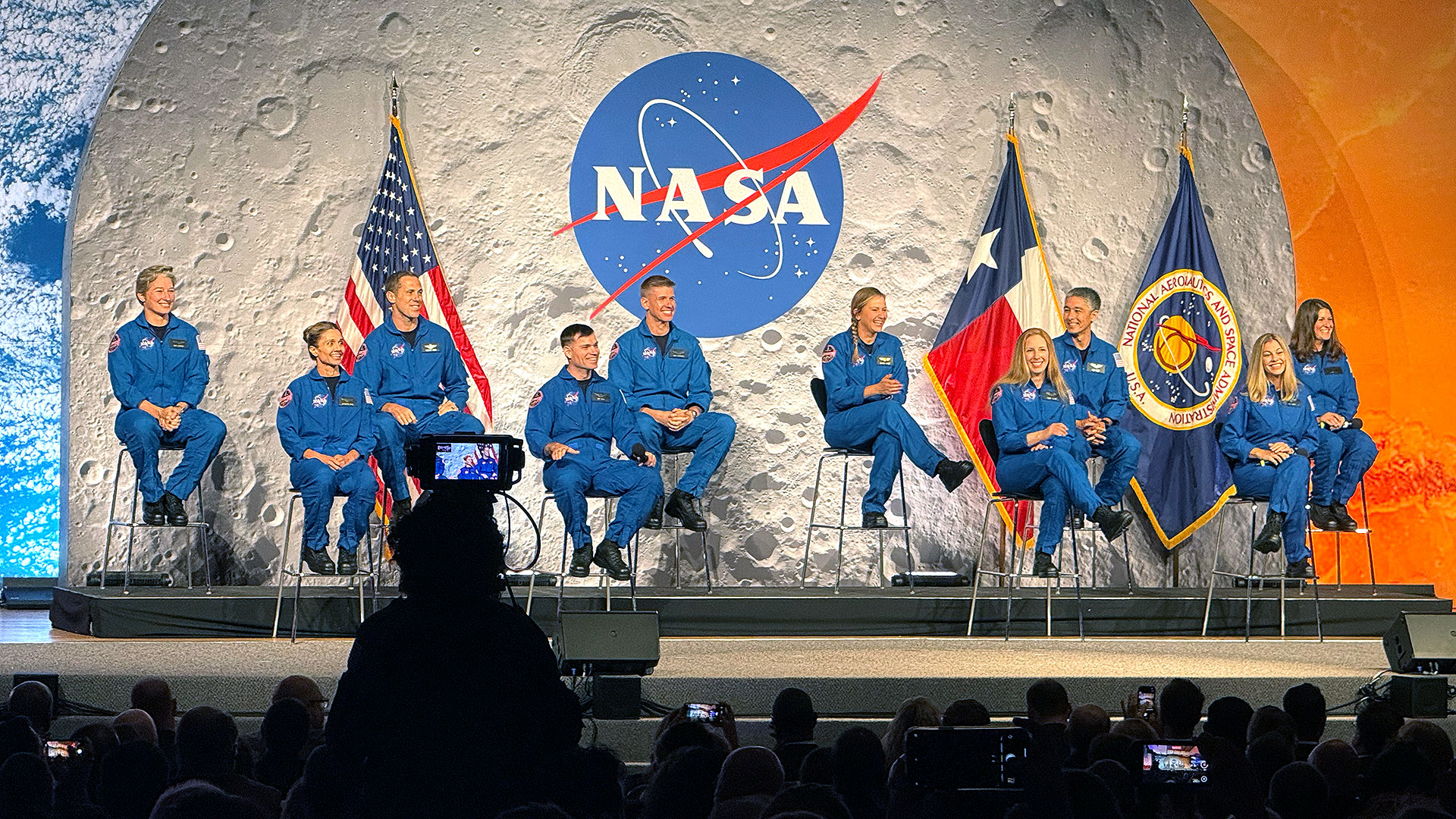
NASA names 24th astronaut class, including prior SpaceX crew member
NASA has named its new group of astronaut candidates. The space agency on Monday introduced the four men and six women who comprise its 2025 trainee class during a ceremony held at the Johnson Space Center in Houston. Following two years of basic training, the new candidates will be eligible for mission assignments in low-Earth…
-
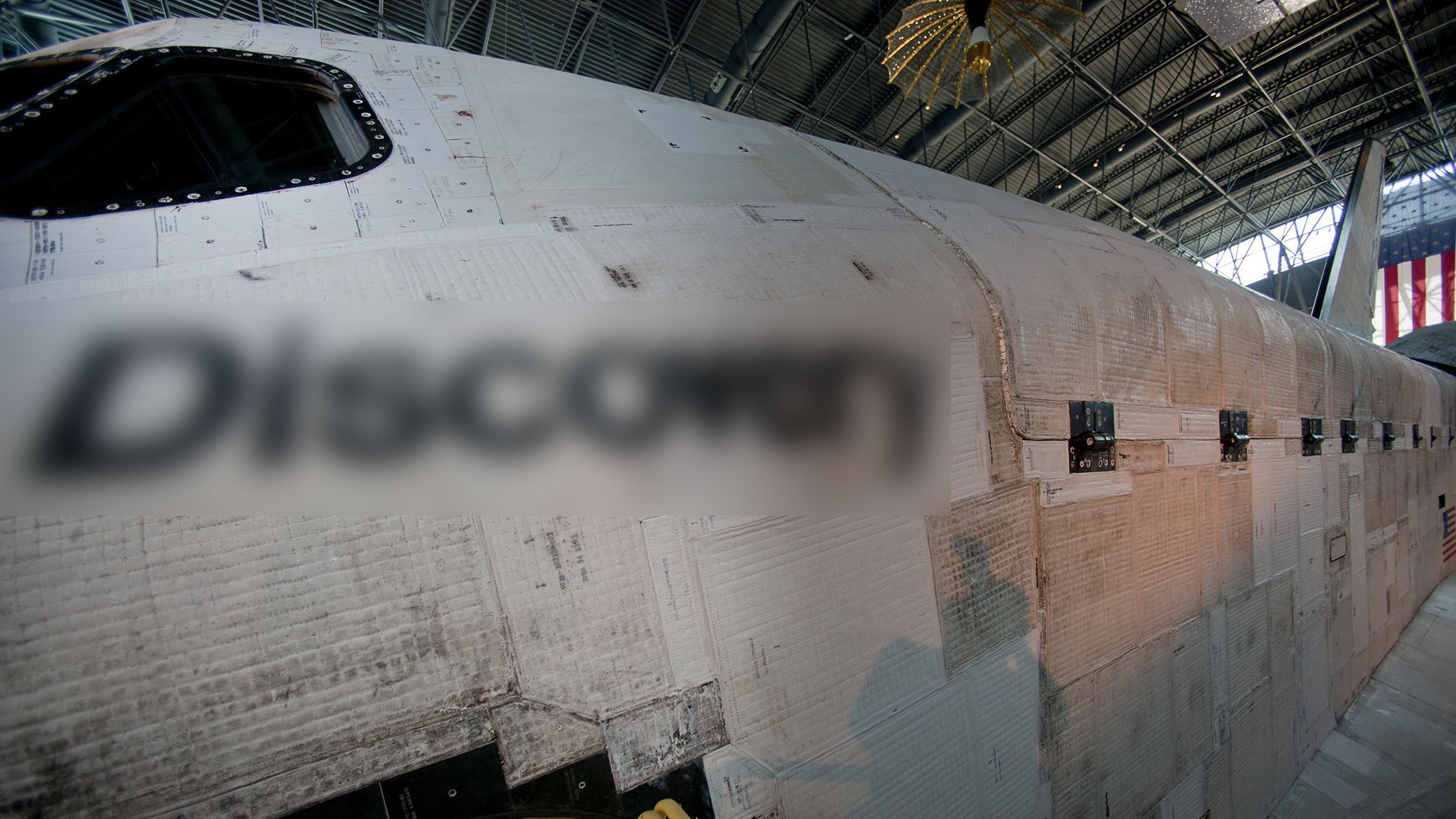
Houston, you’ve got a space shuttle… only NASA won’t say which one
The head of NASA has decided to move one of the agency’s retired space shuttles to Houston, but which one seems to still be up in the air. Senator John Cornyn (R-Texas), who earlier this year introduced and championed an effort to relocate the space shuttle Discovery from the Smithsonian to Space Center Houston, issued…
-
Smithsonian Air and Space opens halls for “milestone” and “future” artifacts
The National Air and Space Museum welcomed the public into five more of its renovated galleries on Monday, including two showcasing spaceflight artifacts. The new exhibitions shine modern light on returning displays and restore the museum’s almost 50-year-old legacy of adding objects that made history but have yet to become historical. Visitors can again enter…
-
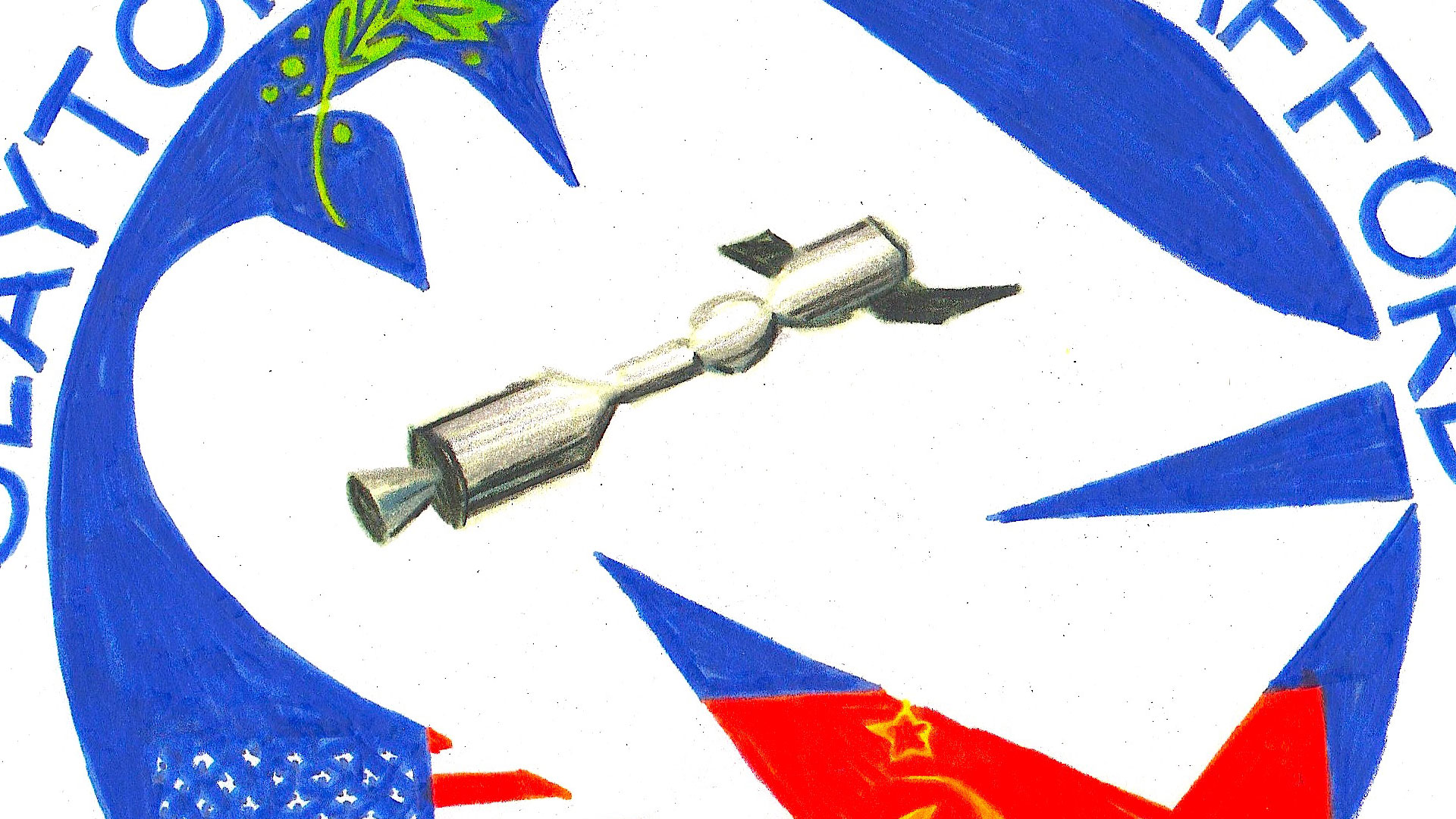
‘Not that into peace doves’: The Apollo-Soyuz patch NASA rejected
Fifty years ago, on July 15, 1975, three NASA astronauts and two Russian cosmonauts lifted off to meet up in orbit for the first time. Representing the joint Apollo-Soyuz Test Project (ASTP, or Soyuz-Apollo in the Soviet Union), both crews wore a cloth patch that featured the artwork of an accomplished space artist. The design…
-
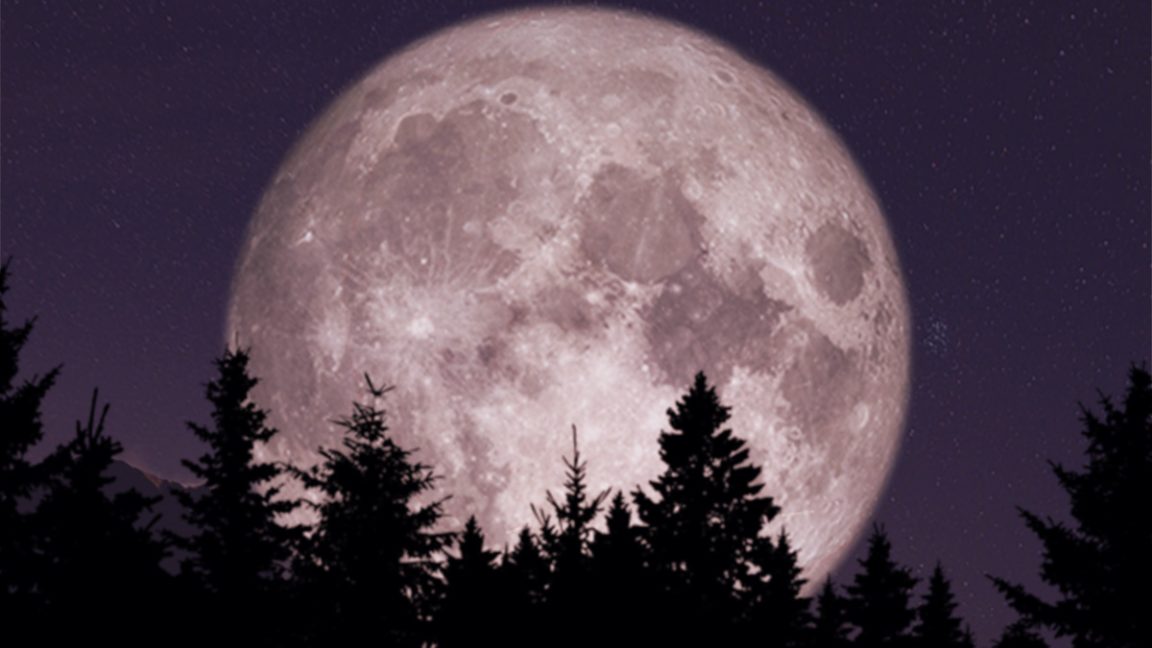
Turning the Moon into a fuel depot will take a lot of power
If humanity is ever to spread out into the Solar System, we’re going to need to find a way to put fuel into rockets somewhere other than the cozy confines of a launchpad on Earth. One option for that is in low-Earth orbit, which has the advantage of being located very close to said launch…
-
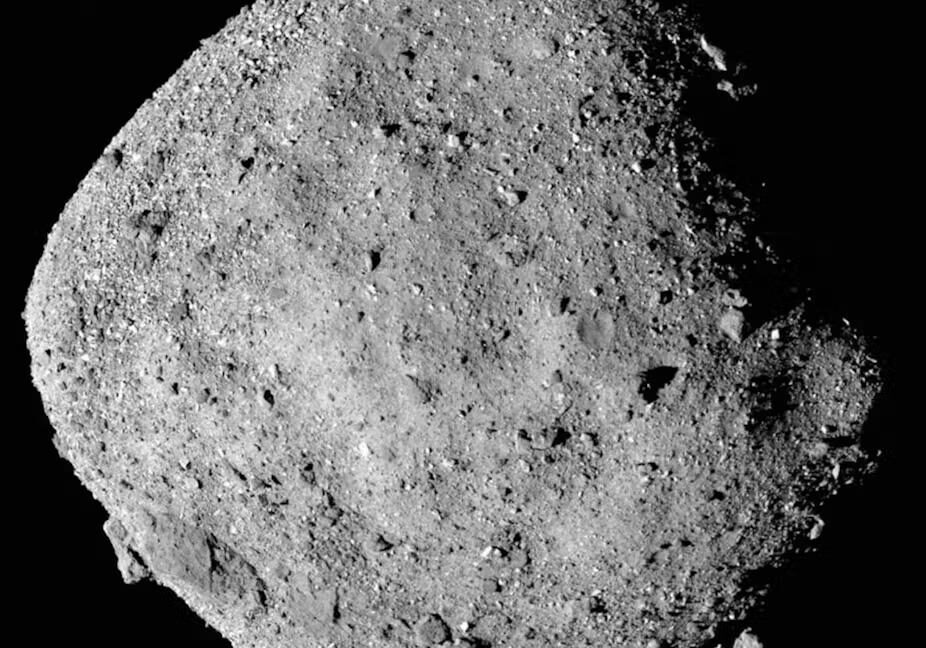
Bennu asteroid samples yield watery history, key molecules for life
A bright fireball streaked across the sky above mountains, glaciers, and spruce forest near the town of Revelstoke in British Columbia, Canada, on the evening of March 31, 1965. Fragments of this meteorite, discovered by beaver trappers, fell over a lake. A layer of ice saved them from the depths and allowed scientists a peek…
-
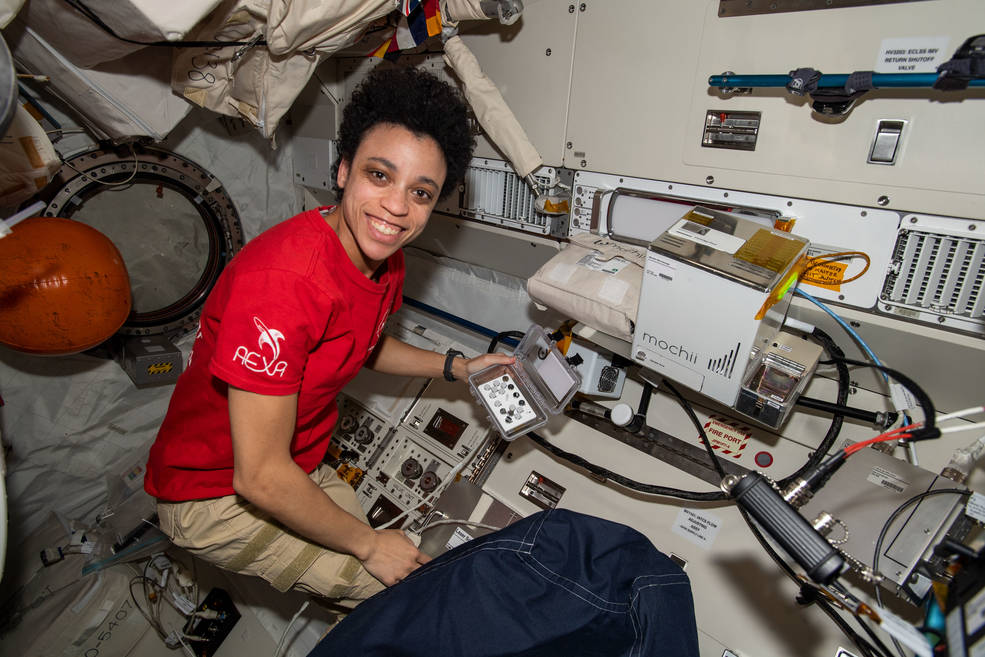
“Archeology” on the ISS helps identify what astronauts really need
“Archeology really is a perspective on material culture we use as evidence to understand how humans adapt to their environment, to the situations they are in, and to each other. There is no place, no time that is out of bounds,” says Justin Walsh, an archeologist at Chapman University who led the first off-world archeological…
-
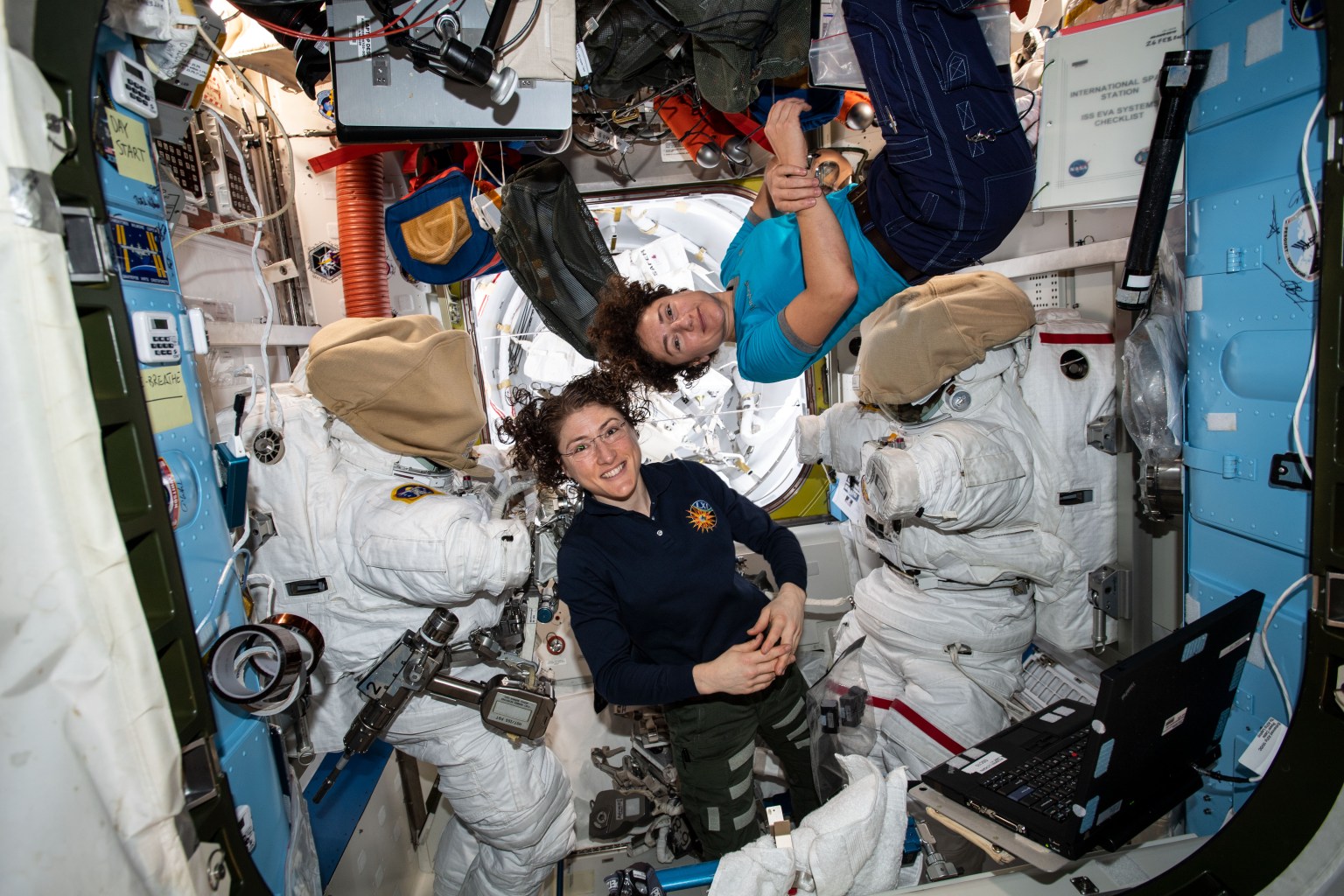
Human muscle cells come back from space, look aged
Muscle-on-chip systems are three-dimensional human muscle cell bundles cultured on collagen scaffolds. A Stanford University research team sent some of these systems to the International Space Station to study the muscle atrophy commonly observed in astronauts. It turns out that space triggers processes in human muscles that eerily resemble something we know very well: getting…
-
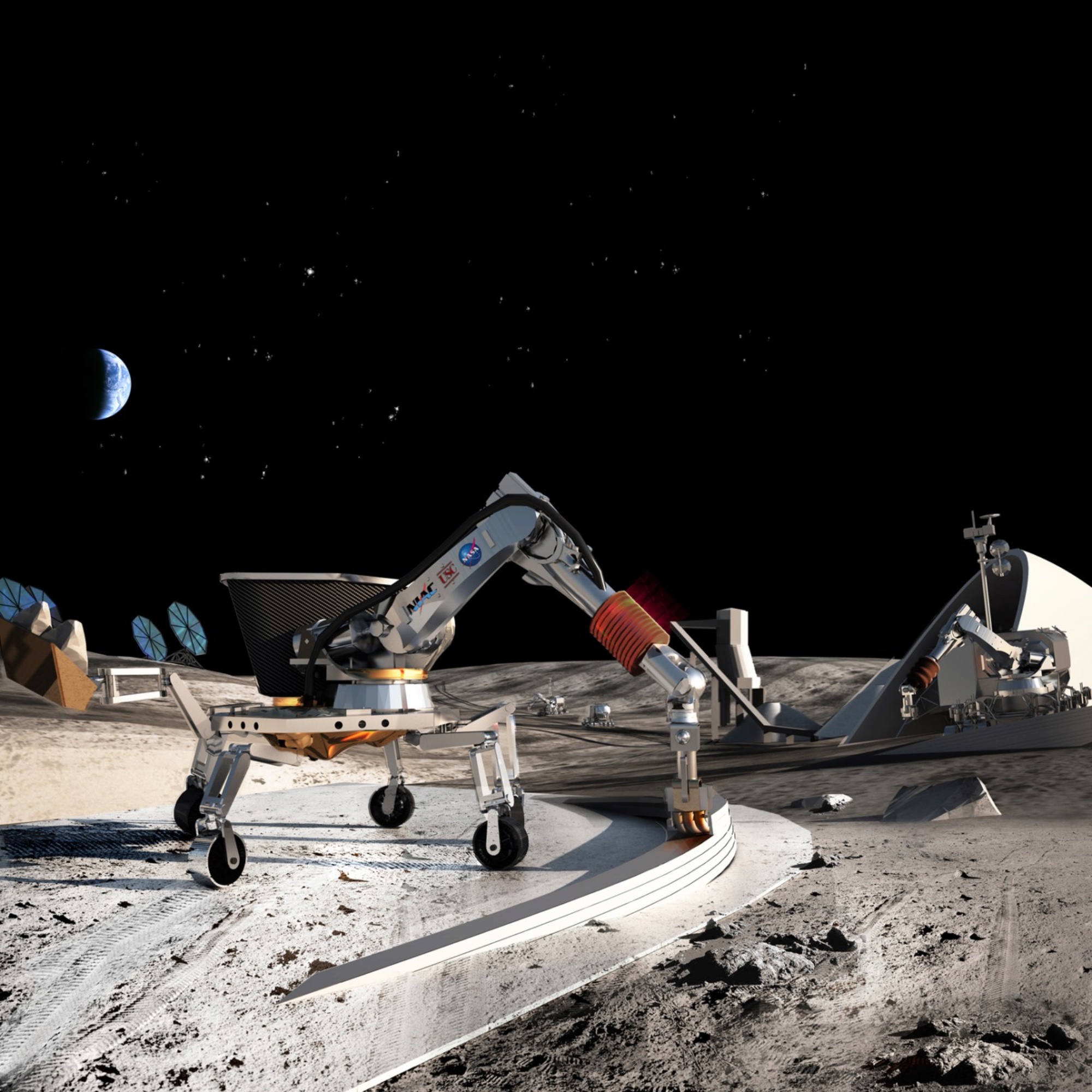
Building robots for “Zero Mass” space exploration
Sending 1 kilogram to Mars will set you back roughly $2.4 million, judging by the cost of the Perseverance mission. If you want to pack up supplies and gear for every conceivable contingency, you’re going to need a lot of those kilograms. But what if you skipped almost all that weight and only took a…