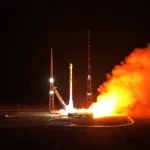
Shenlong launched on its fourth mission on February 6, 2026, atop a Long March 2F rocket from the Jiuquan Satellite Launch Center in the Gobi Desert. As with previous flights, China did not disclose the objectives of the mission to the public.
The orbital intelligence company LeoLabs reported the detection in a post on X. “At 02:30 UTC on 22 June 2026, LeoLabs detected an unknown object in the vicinity of the Chinese Shenlong reusable space plane,” the company wrote. The object was first observed by the firm’s Tracker radar in New Zealand and did not correlate to any object in its catalog.
“Following additional observations across our global network and analysis via LeoLabs Delta, we have independently cataloged this object and assessed with high confidence that it was released from the Chinese space plane,” the company added. It described the activity as “consistent with sub-satellite deployments conducted by the space plane in previous missions.” Space tracker Jonathan McDowell noted that the object has now been catalogued by the U.S. Space Force.
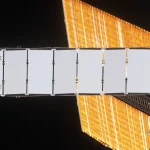
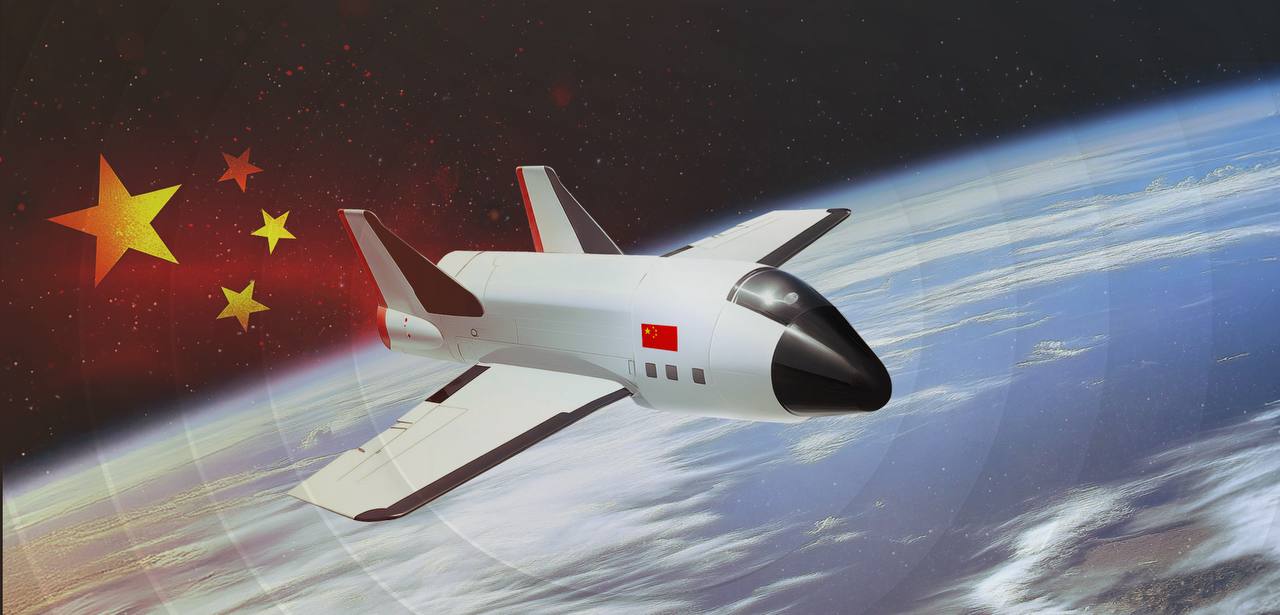
Shenlong, or “Divine Dragon,” is a reusable space plane that launches atop a rocket but lands on a runway like an aircraft. Its overall design is believed to be similar to the United States Space Force’s X-37B, or somewhat like NASA’s space shuttle. Exact specifications remain difficult to obtain given how secretive China’s space program is about the vehicle, and most available views come from ground based telescopic imagery. This is not the first time Shenlong has appeared to release objects in orbit. In June 2024, observers noticed it may have released a subsatellite or ejected hardware near the end of its mission. Six months earlier, observers believed the vehicle had ejected six objects at once, later determined to be debris left over from launch. Observers have also noticed what appear to be solar arrays extending from the space plane.
On previous missions, Shenlong has appeared to conduct rendezvous and proximity operations, meaning it tested the capability to maneuver close to other objects in space. While such operations can serve peaceful purposes such as repairing or refueling other spacecraft, the source notes they could also support efforts by space powers to tamper with adversary satellites should warfare reach orbit. In May, two Russian satellites came within 10 feet of one another, following a pattern of testing so called inspector spacecraft. The source notes there is no reason to believe the United States is not developing its own such capabilities, and has released official artwork suggesting as much.
No official Chinese statement identifying the object has been issued, and the nature or purpose of the released object remains unknown.
Observers will look for further radar observations and cataloging from LeoLabs and the U.S. Space Force as the space plane continues its mission, along with any subsequent activity from the newly released object.