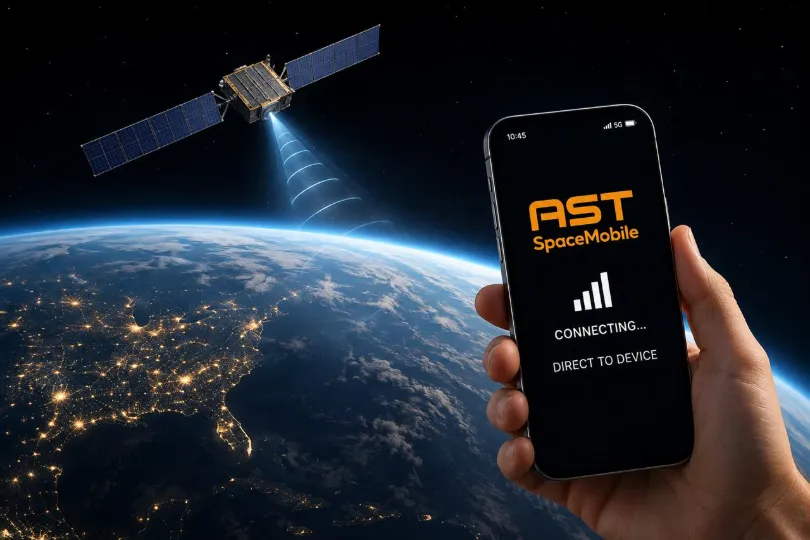
The 800 MHz band matters for direct-to-device service because lower-frequency spectrum penetrates buildings and reaches phones in more challenging environments. The authorization is a regulatory step that could expand the practical use cases for AST’s service beyond outdoor coverage.
The action, reported on August 17, 2026, grants AST temporary permission to conduct tests rather than a permanent operating license. It centers specifically on the 800 MHz band and its potential to deliver connectivity where higher-frequency signals struggle to reach.
The 800 MHz band is described as significantly more valuable for direct-to-device service because of its ability to reach phones inside buildings and in difficult locations. That characteristic distinguishes it from the higher bands AST has previously worked with.
The FCC authorization to test in this band represents a meaningful regulatory step. It could allow AST to demonstrate connectivity in scenarios that outdoor-only coverage cannot address.
If AST can demonstrate reliable 800 MHz satellite connectivity, it would close one of the biggest remaining gaps between satellite phone service and what people expect from their cell carrier.
The next milestone is the testing itself, conducted under the temporary FCC authorization now in hand.