NASA officials said on Tuesday that Artemis 2, the first crewed flight in the agency’s Artemis program, is on schedule for an April launch, with the possibility of moving the date up to February. The 10-day mission will see four astronauts fly around the moon and return to Earth, serving as a precursor to the first U.S. astronaut moon landing since 1972.
The mission will use NASA’s Space Launch System (SLS) rocket, developed by Boeing and Northrop Grumman, and the Orion capsule, built by Lockheed Martin. Both spacecraft will carry humans for the first time on this flight, which will lift off from Kennedy Space Center in Florida.
“We intend to keep that commitment,” Lakiesha Hawkins, an acting senior official in NASA’s exploration unit, said during a news conference, referring to the April 2026 launch. She added that “the readiness of NASA’s SLS and Orion spacecraft could potentially warrant an earlier launch date, but safety considerations will ultimately guide when the mission launches.”
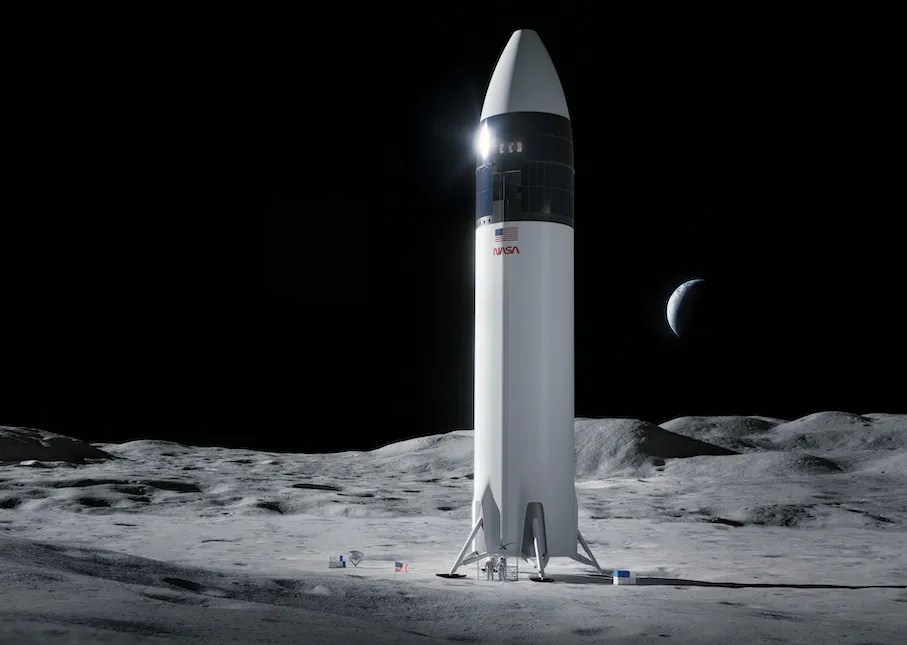
The crew will include commander Reid Wiseman, pilot Victor Glover, and mission specialists Christina Koch and Canadian astronaut Jeremy Hansen. Hansen will become the first Canadian to fly in proximity to the moon. Artemis 2 is designed to test spacecraft performance and mission operations ahead of Artemis 3, a more complex mission currently scheduled for 2027 that will involve a moon lander variant of SpaceX’s Starship rocket.
The Artemis program represents the U.S.’s multibillion-dollar effort to return humans to the moon, in a competition with China, which is targeting its first crewed lunar landing by 2030.