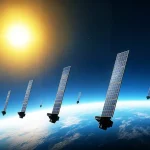
The Swift Observatory, which studies gamma-ray bursts and other high-energy cosmic events, is losing altitude and is projected to reenter Earth’s atmosphere later in 2026 without intervention. NASA has described the effort to raise its orbit using Katalyst’s commercial robotic spacecraft as a first-of-its-kind.
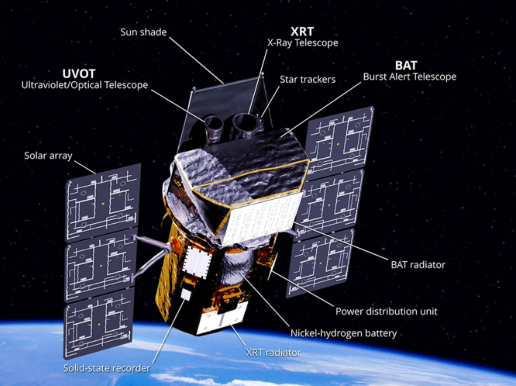
John Jordan, Swift’s original chief engineer recalls, “Swift was designed to observe gamma ray bursts that are so fleeting no previous telescope could catch them in the act. Swift detects gamma ray bursts over a large part of the sky, and then rapidly (swiftly) re-orients to point powerful X-ray and ultraviolet telescopes to observe the fading afterglow of the explosions.” The mission has detected over 1,700 bursts to date and has helped scientists discover that one class of gamma ray bursts is caused by merging neutron stars forming black holes.
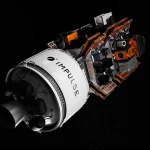
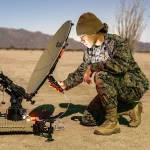
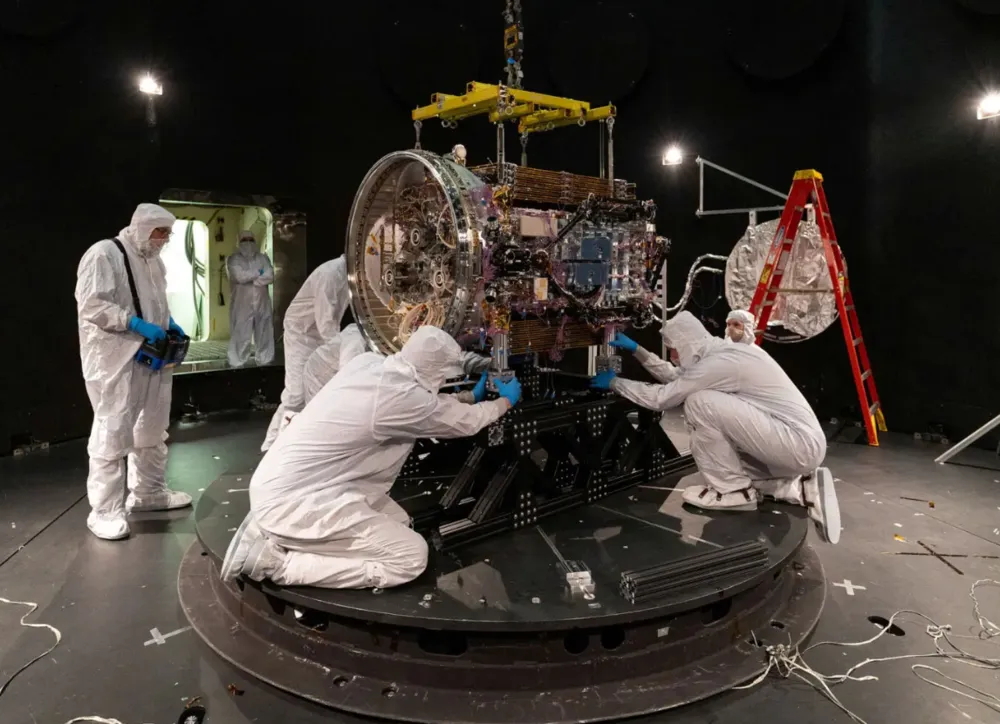
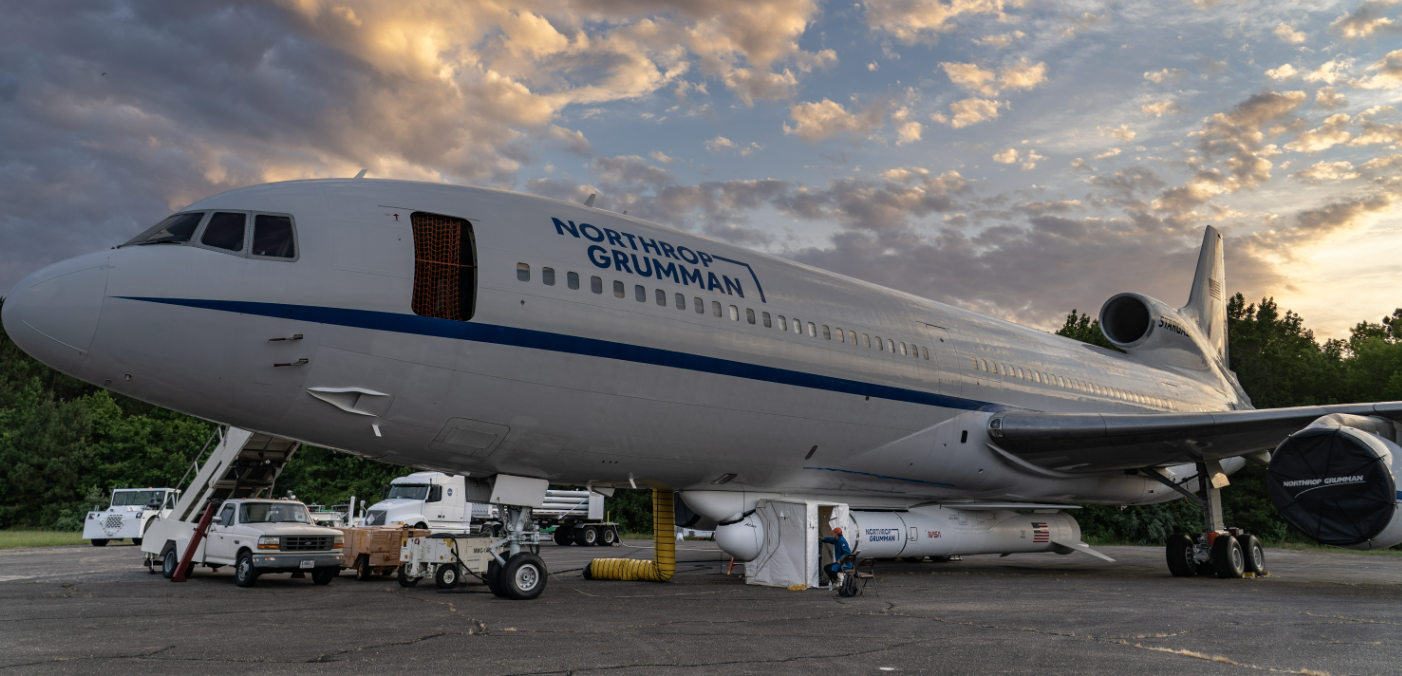
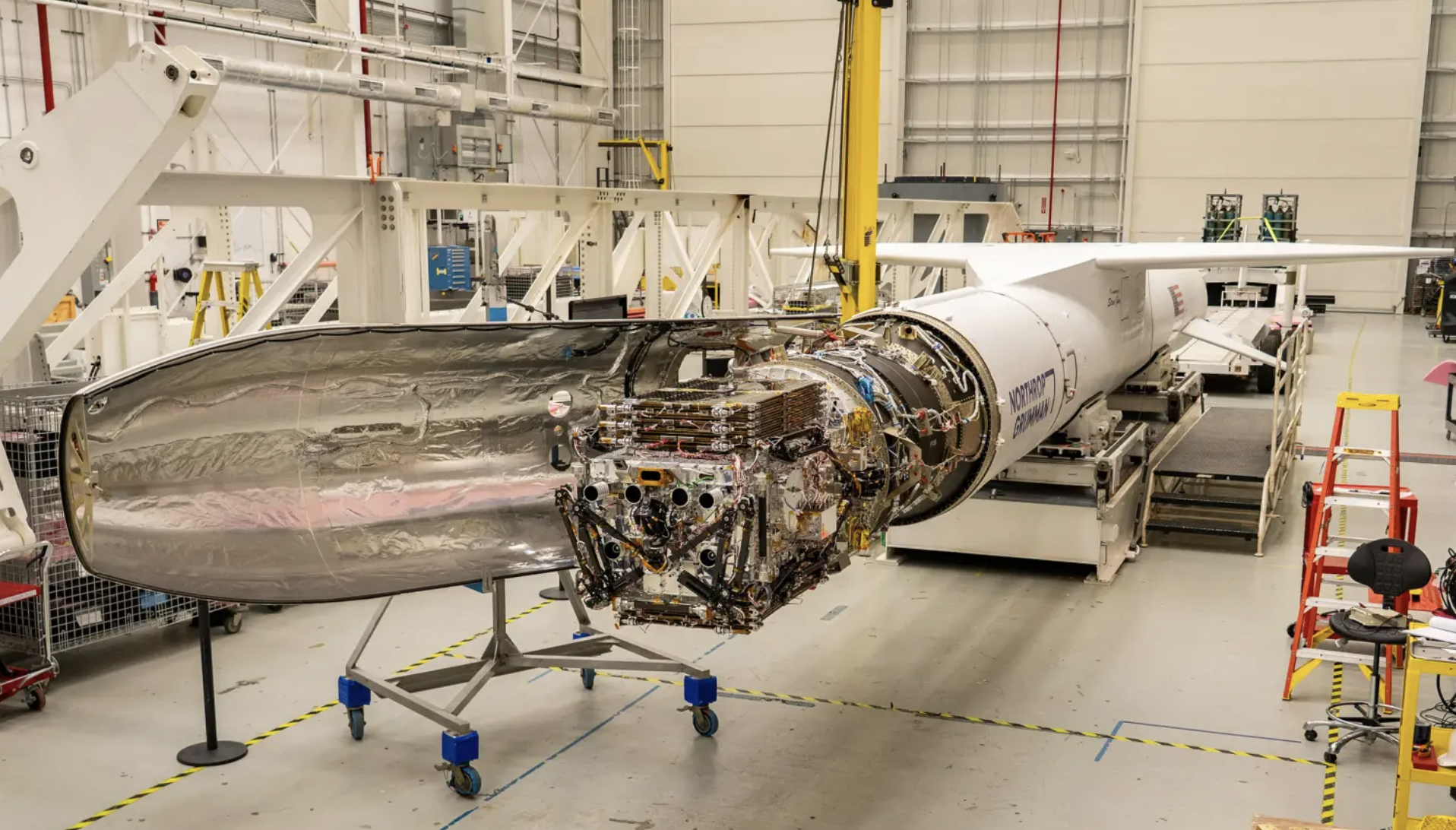
LINK, a robotic spacecraft built by Katalyst Space, will launch on a Northrop Grumman Pegasus XL rocket carried aloft beneath the company’s Stargazer aircraft. In a photograph taken on the evening of Tuesday, June 16, 2026, a Katalyst engineer is shown running tests on LINK while the satellite is inside the Pegasus XL attached to Stargazer at NASA’s Wallops Flight Facility.
After launch, LINK will attempt to rendezvous with, grapple, and slowly raise Swift’s altitude over several months, preventing the observatory from reentering Earth’s atmosphere later this year. The launch window opens tomorrow, Friday July 3.
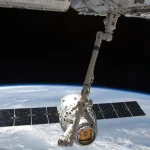
NASA states that a successful mission would mark the first time a commercial robotic mission has captured a NASA spacecraft that is both uncrewed and not originally built to be serviced in space, a distinction the agency underscores in describing the operation as first-of-its-kind.
“We’re doing this on a time scale that’s kind of crazy by space standards,” said Brad Cenko, a research astrophysicist at NASA’s Goddard Space Flight Center and principal investigator for Swift. “It’s a different risk posture than NASA is used to working with.”
What to watch: The launch is targeted for no earlier than Friday, July 3. Following liftoff, LINK will carry out its rendezvous, grapple, and orbit-raising sequence over the coming months.