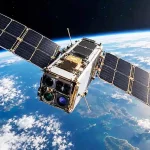
Space Ocean, a leader in orbital logistics and in-space resource delivery, has entered into a Letter of Intent (LOI) with Space Nuclear Power Corporation (Space Nukes), a pioneer in advanced space nuclear power systems. The LOI outlines a strategic collaboration to explore integrating space nuclear reactor technology into future deep-space missions. Under the terms of the LOI, Space Ocean intends to test Space Nukes’ 10-kilowatt nuclear reactor aboard its ALV-N satellite. If performance criteria are met, Space Nukes will become a core supplier of nuclear power units for future Space Ocean missions focused on lunar and planetary operations.
“Power is mission-critical, especially when you’re operating in the deepest parts of space,” said Paul S. Mamakos, CEO of Space Ocean Corp. “This collaboration gives us the opportunity to pair our fluid logistics and delivery infrastructure with nuclear technology that can scale, sustain, and energize orbital and planetary missions.”
“Space Ocean’s vision aligns with our belief that small, scalable, and extremely reliable nuclear power is essential for long-duration missions,” said Andrew Phelps, CEO of Space Nuclear Power Corporation. “Together, we’re laying the groundwork for a future where spacecraft can generate, manage, and distribute energy far beyond Earth orbit.”
“This strategic alliance between Space Nukes and Space Ocean is a game changer for not only our programs, but for planetary exploration missions yet to launch,” added Pete Freeland, President and CTO of Space Ocean Corp. “Our collaborative efforts will mature an essential technology for future spaceflight, and we are excited to be aligned with this groundbreaking organization.” The LOI also includes mutual objectives to:
- Explore the integration of fluid delivery systems with reactor modules
- Collect operational data to support Technology Readiness Level 9 (TRL-9) certification
- Form a Joint Working Group to pursue additional space infrastructure and commercial opportunities
While non-binding, the LOI represents a meaningful alignment between two companies working to solve critical challenges in long-range mission design, logistics, and autonomy.