
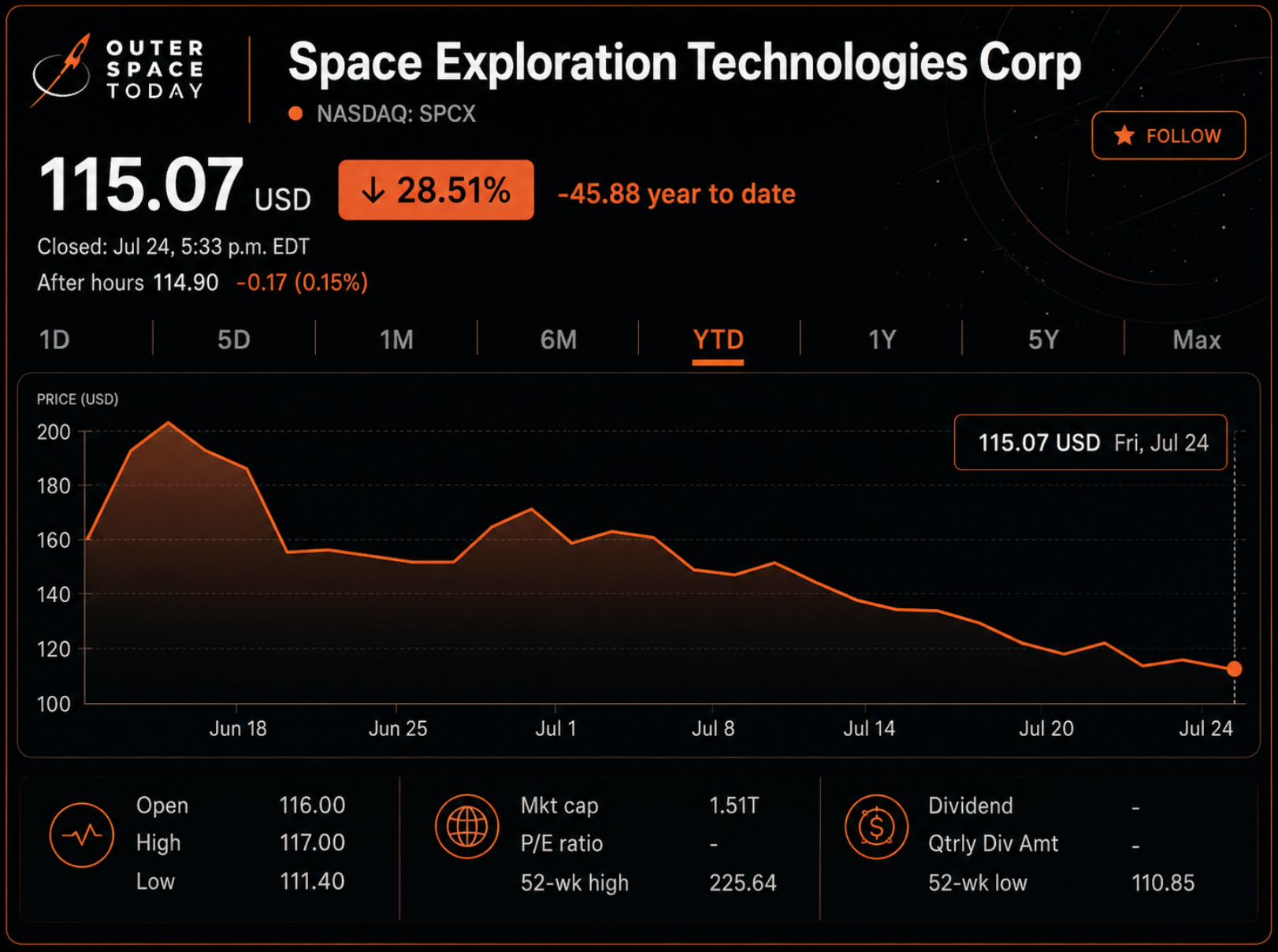
The disclosure comes just weeks after SpaceX completed its historic public offering. SpaceX began trading on Nasdaq under the ticker SPCX on June 12th after pricing its IPO at $135 per share. The offering ultimately raised approximately $85.7 billion after underwriters exercised their full allotment, making it one of the largest public listings ever completed.
According to Alphabet’s quarterly disclosure, its marketable equity securities included $80 billion of SpaceX shares subject to shorter-term selling restrictions and another $14.1 billion restricted through the third quarter of 2027. Together, those holdings were valued at $94.1 billion as of the end of June.
The position traces back more than a decade. Google invested approximately $900 million in SpaceX in 2015, when the company was valued at roughly $10 billion. SpaceX has since expanded from primarily a launch business into a much larger space infrastructure company built around Falcon, Starlink, Starship and, following its combination with xAI, artificial intelligence.
The $94.1 billion figure should not, however, be used to calculate SpaceX’s current valuation. It represents the value of Alphabet’s holdings at the end of the second quarter, when SpaceX shares were trading substantially higher than they are today. SpaceX shares have fallen sharply since the IPO and were trading around $114 on July 24, giving the company a market capitalization of roughly $1.5 trillion.
That decline also means Alphabet’s SpaceX position is worth considerably less today than the $94.1 billion reported on its June 30 balance sheet. Reports estimate Alphabet owns roughly 550 million SpaceX shares, which would put the position at approximately $63 billion at a share price of $114 (compared to its $171 close at the end of June).
Even after the pullback, Alphabet’s investment represents an extraordinary return on its original capital and makes the company one of SpaceX’s largest outside shareholders. It also comes as the relationship between Google and SpaceX appears to be expanding well beyond equity ownership.
In May, Google confirmed that it had been in discussions with SpaceX and other launch providers regarding future launches for Project Suncatcher, Google’s effort to develop orbital data centers built around satellites carrying AI computing hardware. The relationship has also moved into AI infrastructure on Earth. In June, SpaceX disclosed a Cloud Service Agreement under which Google will pay SpaceX $920 million per month from October 2026 through June 2029 for access to approximately 110,000 NVIDIA GPUs, along with CPUs, memory and other computing infrastructure. Capacity is expected to ramp ahead of the full payment period beginning in October.
The agreement makes SpaceX a major compute supplier to Google at the same time the companies are exploring whether a similar relationship could eventually extend into orbit. It also highlights how SpaceX’s business has expanded beyond rockets and satellite connectivity into large-scale AI infrastructure. For Alphabet, the SpaceX position therefore represents more than a highly successful financial investment. Google is simultaneously a major SpaceX shareholder, a large customer of its computing infrastructure and a potential partner in the development of future orbital data centers.
The next major question is what Alphabet eventually does with the position. Most of its SpaceX holdings remain subject to selling restrictions, but as those restrictions expire, Alphabet will gain significantly more flexibility over an investment that has grown from roughly $900 million into tens of billions of dollars in publicly traded stock.gence capacity accelerates. SpaceX’s launch capabilities and growing ambitions in space-based AI infrastructure could make the relationship increasingly strategic.