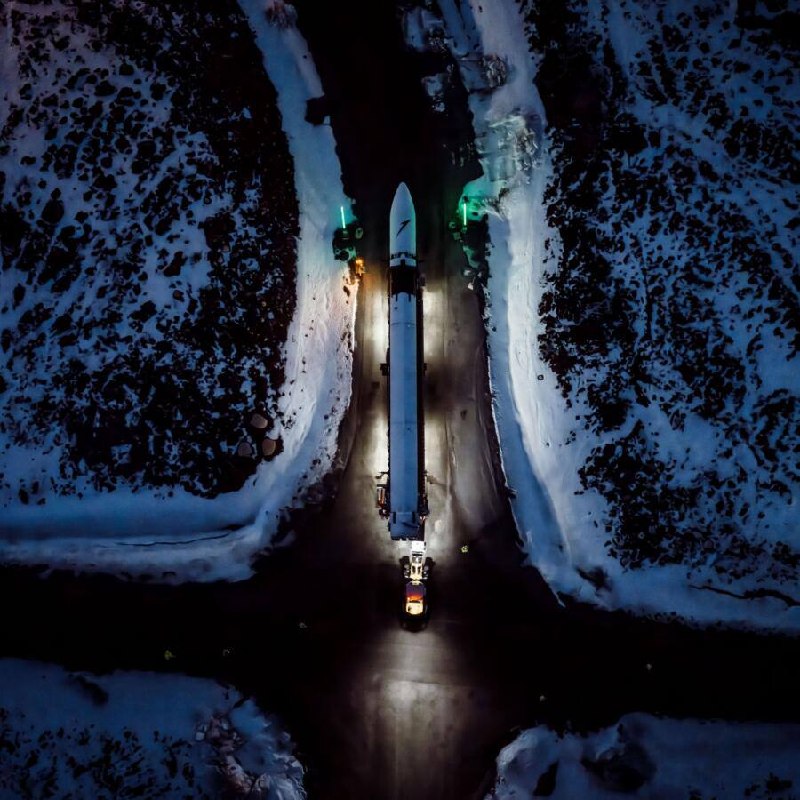
Isar’s first orbital attempt in September 2025 ended in failure, a setback that typically triggers investor retreat in the commercial space sector. The new funding contradicts that pattern. European governments and institutional investors view launch independence as strategically urgent. SpaceX’s dominance in commercial launch has forced European operators and governments to purchase rides from a U.S. company, creating dependencies that clash with EU autonomy objectives. Chinese launch providers present their own geopolitical complications. This funding round reflects a deliberate choice to back a European alternative despite technical and schedule risks.
Isar Aerospace was founded in 2018 and began serious rocket development in the medium-lift segment, targeting payloads between 1,000 and 3,000 kilograms to low Earth orbit. The company operates from Germany and has positioned itself explicitly as Europe’s answer to SpaceX, emphasizing rapid reusability development and launch cadence that rivals American commercial providers. Previous funding rounds totaled roughly $160 million before this Series D injection.
The September 2025 failure investigation remains ongoing internally, but industry analysts suggest the company identified resolvable issues rather than fundamental design flaws. That assessment apparently convinced Island Green Capital and Molten Ventures to commit substantial capital. The new funding targets increased launch cadence, global expansion infrastructure, and completion of reusability development. Isar has not announced a specific date for its next launch attempt, though the company indicated it would occur within the next 12 months.
This funding decision carries implications far beyond Isar’s balance sheet. European launch independence represents a stated priority for the EU, which has articulated concerns about reliance on SpaceX for national security payloads. Arianespace, Europe’s incumbent launch provider, operates the Ariane 6 heavy-lift vehicle with significantly higher costs and longer turnaround times than SpaceX’s Falcon 9. Isar’s success would validate a commercial path to European sovereignty in space launch. The company’s failure would reinforce the conclusion that SpaceX’s technological and operational advantages are too pronounced to overcome.
The next Isar launch will constitute a critical test of European competitiveness in commercial space. Investors have already made their bet. Execution now determines whether that capital was deployed wisely or whether Europe’s launch industry remains dependent on foreign providers.