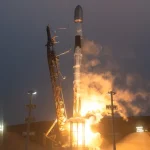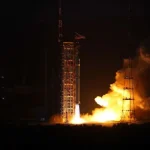
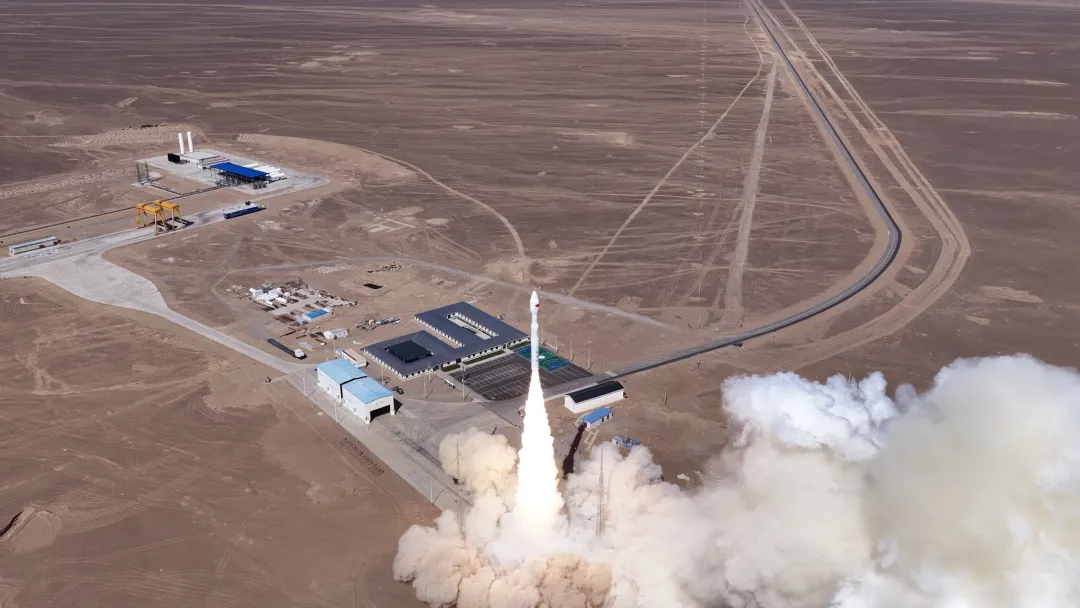
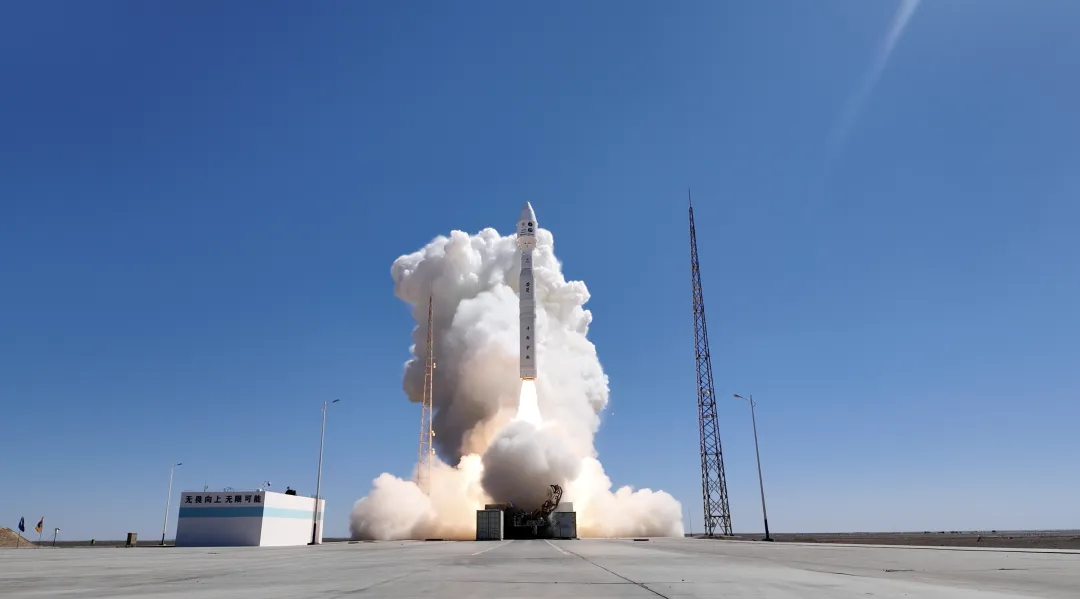
China launched nine satellites aboard a Kinetica 1 Y18 rocket from the Dongfeng Commercial Space Innovation Pilot Zone at 12:03 p.m. Beijing Time on September 20, 2026. The satellites entered their planned orbits, marking the 16th flight of the Kinetica 1 launch vehicle.
The mission carried the Qinling-01 and Qinling-02 satellites, Pujiang-4, PEGA-SUS1, Diting-01 Group A/B/C, Chaozhisuan-1 and Yunxiao Pathfinder. As CAS Space works through a substantial commercial order backlog, the launch also demonstrated the company’s use of a high mission cadence to meet its delivery commitments.
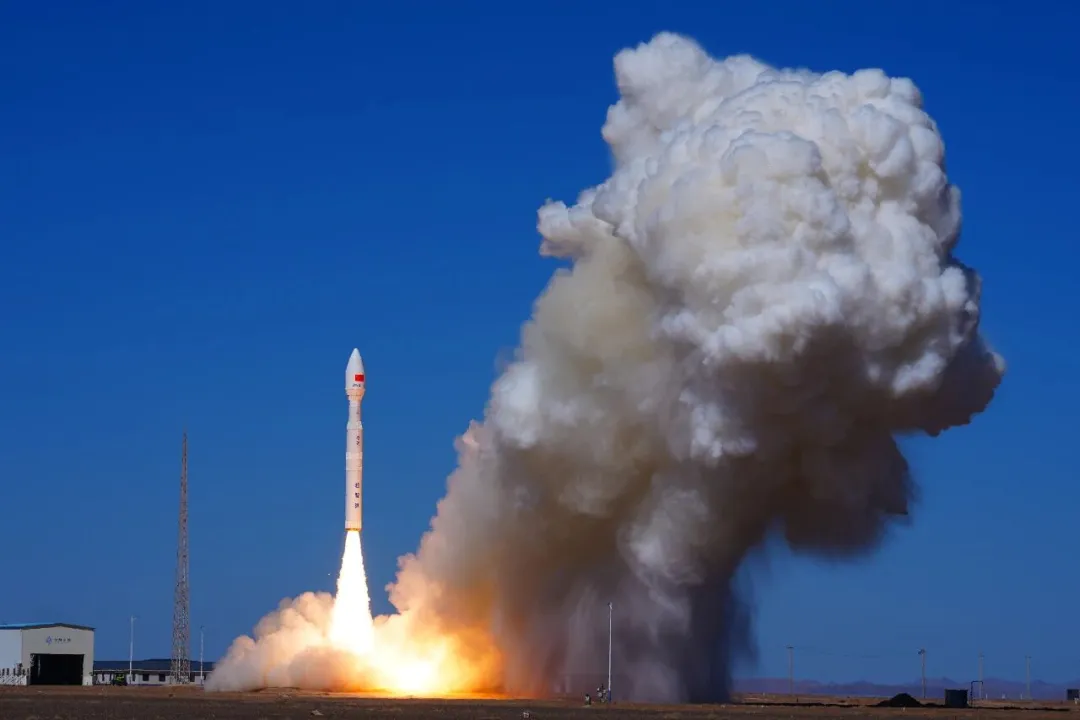
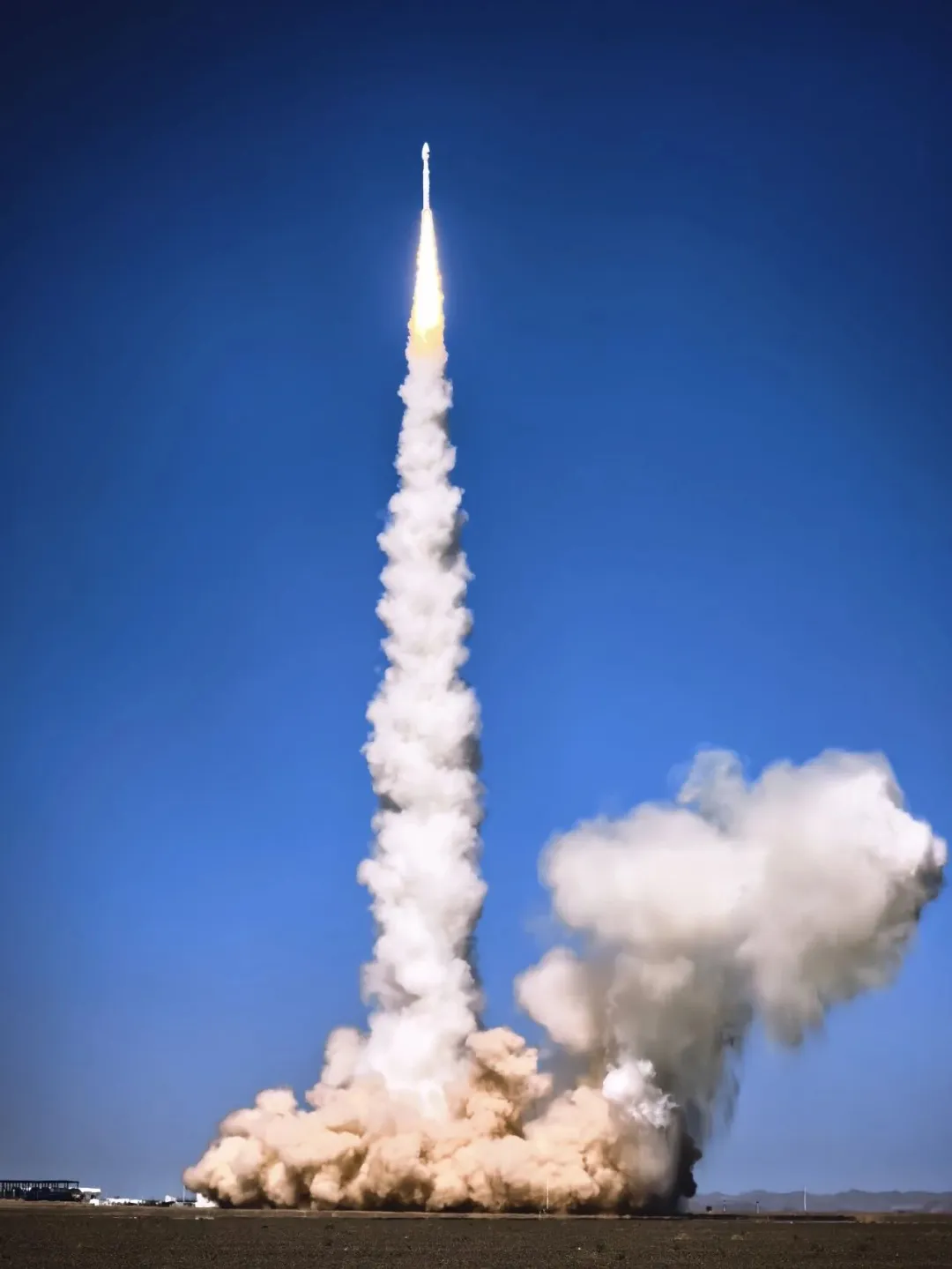
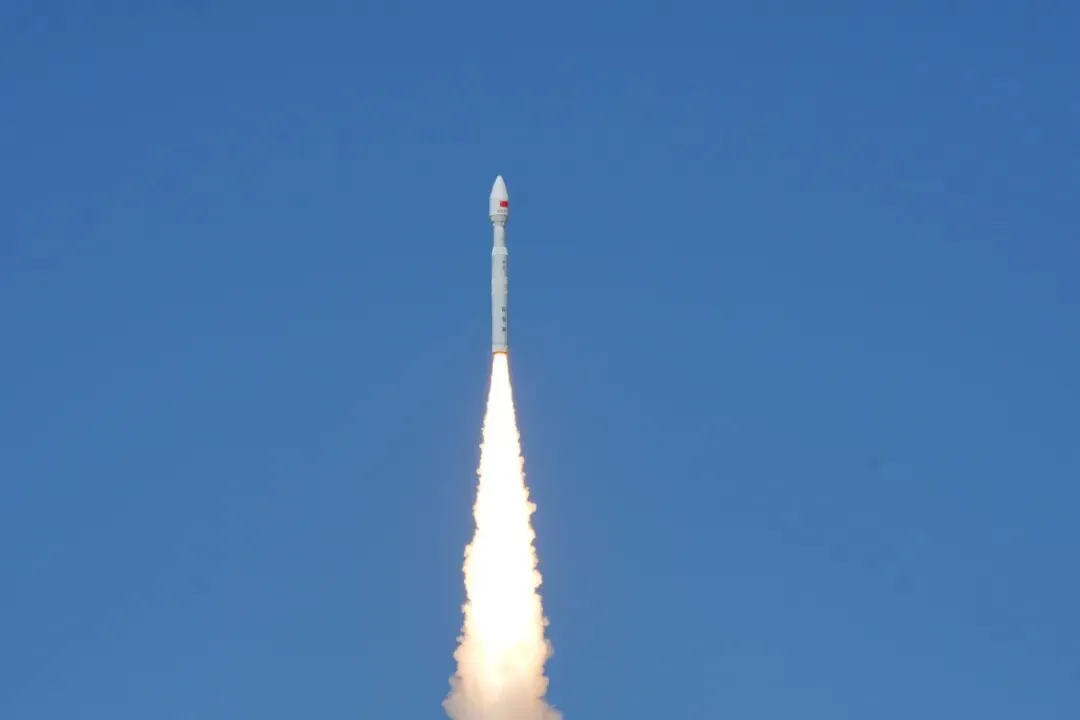
Multi-Satellite Launch Supports Constellation Deployment
The rideshare mission was designed to accelerate the deployment of small-satellite constellations. Launching multiple spacecraft together requires the rocket and payloads to be carefully matched in their overall configuration, interfaces and separation sequences.
CAS Space said the Kinetica 1 used its established multi-satellite mission architecture and high-precision separation control system to deploy the nine spacecraft safely and in the correct sequence.
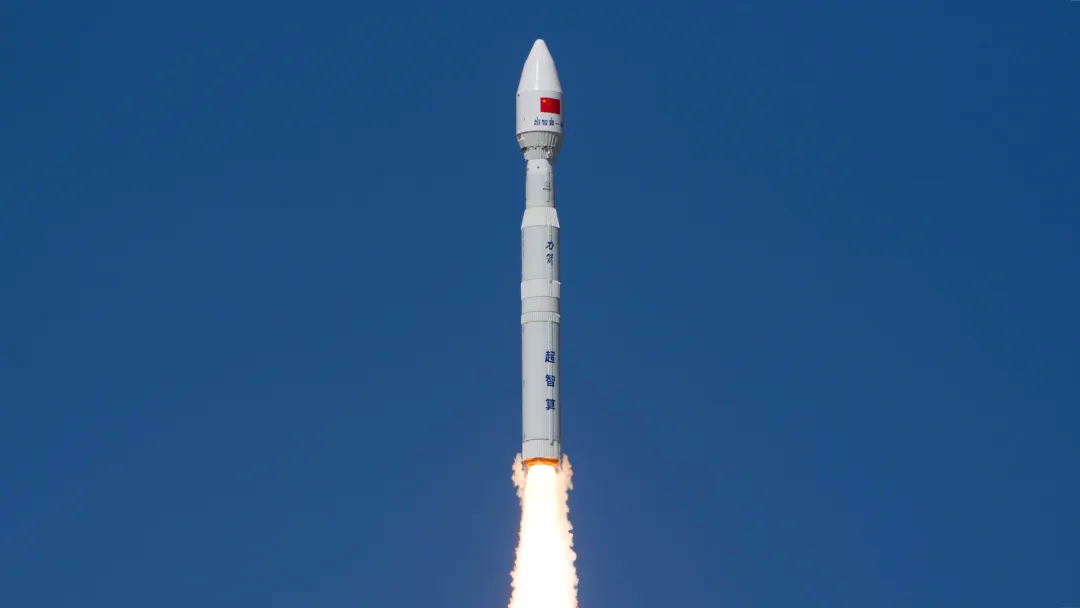
The company said its Kinetica 1 order backlog remains strong, with missions scheduled through the second half of 2027. It attributed the vehicle’s ability to sustain a high launch cadence to its integrated research, testing, production and launch capabilities.
CAS Space is also developing a dual-track launch model combining routine land-based missions with mobile sea launches. Kinetica 1 is expected to conduct its first sea launch in the near future, carrying three satellites. The company said the combination of land and maritime operations would provide greater flexibility for constellation deployment and rapid replenishment missions.
Nine Satellites With Diverse Missions
Qinling-01 and Qinling-02 are optical remote-sensing satellites approved by the Shaanxi provincial government and developed by Northwestern Polytechnical University. Their primary payloads are high-resolution panchromatic and multispectral cameras. The satellites will focus on ecological protection and sustainable development in areas including the Qinling Mountains and Yellow River basin.
Yunxiao Pathfinder was developed by the Institute of Mechanics of the Chinese Academy of Sciences.
Diting-01 Group A/B/C consists of three commercial electromagnetic-spectrum monitoring satellites developed under the leadership of Tianjin Xingkan Jiuzhou Technology Co., Ltd. They will demonstrate technologies for space-based electromagnetic-spectrum monitoring.
Designed and operated by the same company, the Diting constellation is China’s first commercial satellite constellation to use a three-spacecraft formation for space-based radio-frequency data collection. It is intended to monitor electromagnetic-spectrum activity across wide areas, rapidly locate radio emitters and provide spectrum-based remote-sensing data and analytical services.
PEGA-SUS1, also known as the first Peng Cheng satellite, was jointly developed by GalaxySpace, Peng Cheng Laboratory and the Southern University of Science and Technology, with Peng Cheng Laboratory serving as the end user.
The technology-demonstration satellite integrates communications, computing and remote sensing. Its payloads include a 3GPP-compliant 5G non-terrestrial network communications system, a Digital Retina onboard computing system and a space-to-ground laser communications terminal.
The spacecraft will conduct time-shared in-orbit demonstrations of 5G NTN satellite-to-ground communications, onboard artificial-intelligence computing and 100 Gbps space-to-ground laser communications. Its work will include intelligent analysis of remote-sensing imagery and laser communications experiments.
By combining broadband communications, space-based remote sensing and intelligent computing, the mission is intended to improve autonomous satellite processing, multi-mission coordination and high-speed satellite-to-ground and intersatellite networking. The technologies are also expected to support the development of future 6G communications networks.
Pujiang-4 was developed by the Shanghai Institute of Satellite Engineering.
Chaozhisuan-1 is a high-resolution remote-sensing satellite commissioned by SAIDC. It carries a 4-meter-resolution visible-light camera and an AI computer, enabling optical Earth observation, onboard data processing and automated target recognition.
The satellite can collect optical imagery of designated areas and use its onboard computing system to process the data and extract targets before transmission to the ground. Planned applications include smart cities, natural-resource surveys and regulation, precision agriculture, environmental protection, and emergency and disaster response.
Chaozhisuan-1 will also test the stability and engineering feasibility of real-time orbital computing, providing technical groundwork for an integrated space-ground intelligent computing system.
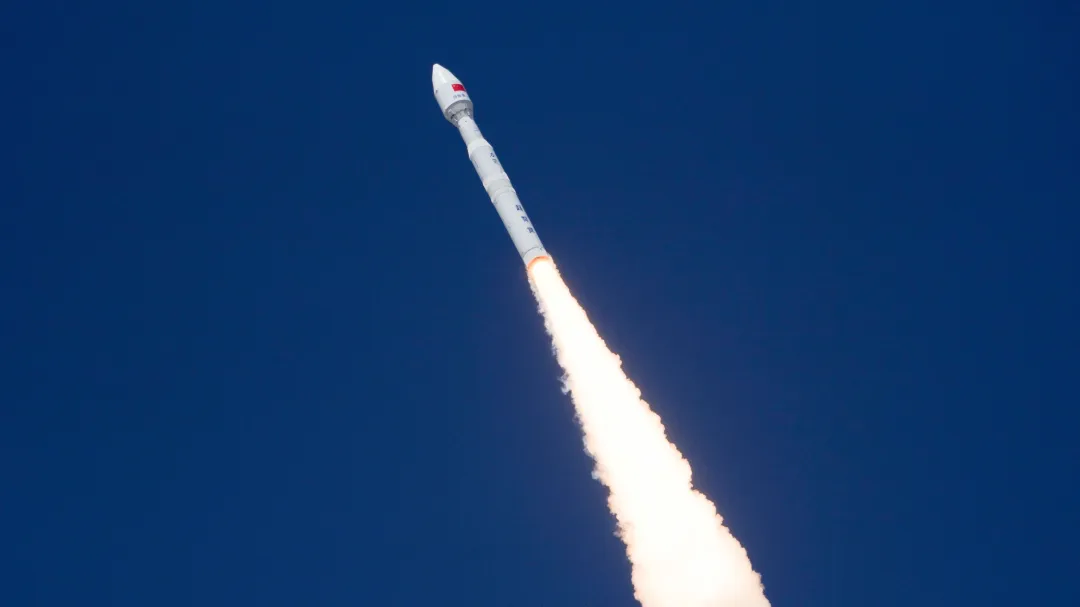
The mission was the 16th flight of Kinetica 1 and the 17th launch across the broader Kinetica launch vehicle series. The series has now placed one spacecraft and 121 satellites into space, with a combined orbital payload mass exceeding 21 metric tons.
CAS Space said these figures make it the Chinese commercial space company that has launched both the largest number of satellites and the greatest total payload mass.
China’s expanding commercial space sector is bringing more satellite manufacturing capacity, payload options and AIT services to the global market at competitive costs. International customers planning satellite missions can contact STARPATH GLOBAL to discuss suitable solutions from China. The team can help match technical requirements, budgets and deployment schedules with appropriate suppliers and services.
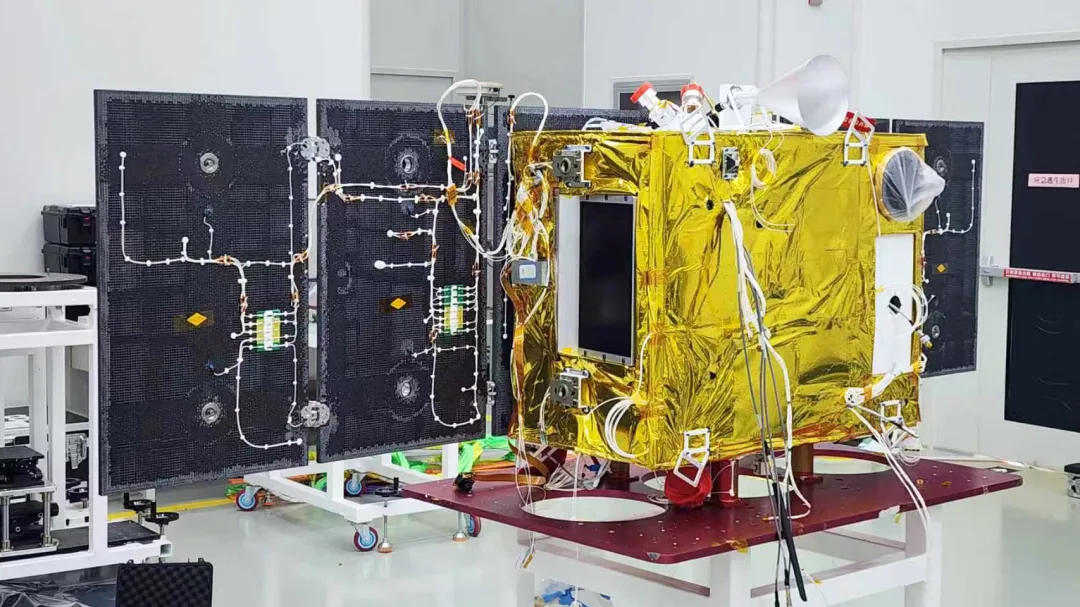
The primary payloads aboard Chaozhisuan-1 are a 4 m-resolution visible-light camera and an AI computer, providing optical remote-sensing imaging, in-orbit data processing and target-recognition capabilities. The satellite is pioneering a “sense in space, compute in space” approach to intelligent in-orbit processing. It can analyze imagery and identify targets directly in space, downlinking only high-value results and reducing data response times from several hours to minutes. This capability is intended to support a highly responsive, comprehensive and reliable integrated space-ground computing infrastructure.
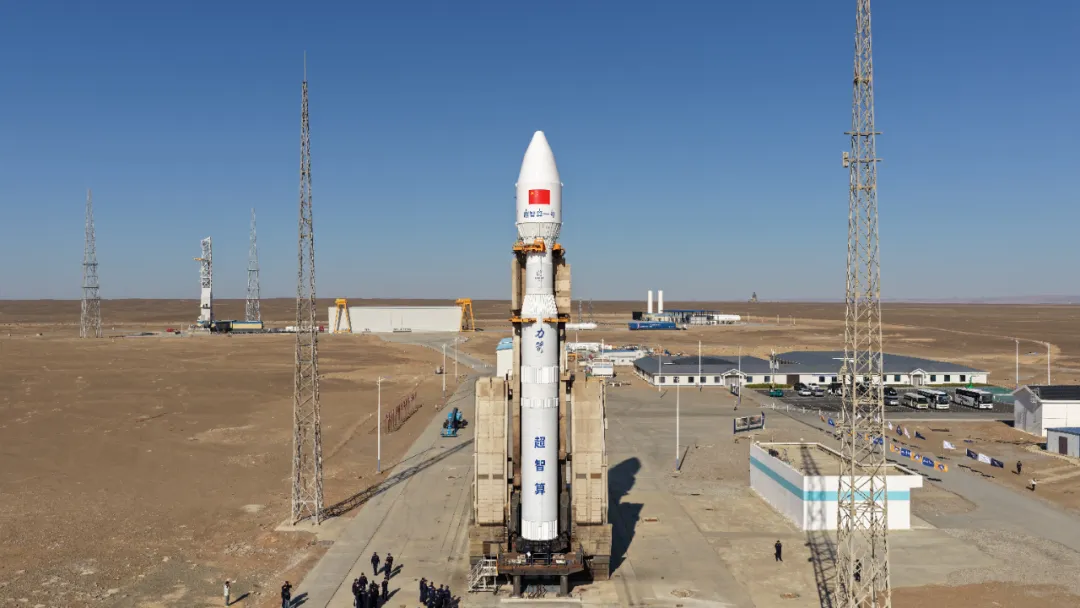
In the future, space-based computing is expected to support emergency and disaster response, natural-resource monitoring, environmental protection, marine monitoring and other applications important to the economy and society. By assessing conditions in orbit and delivering disaster information within minutes, it could provide emergency responders with critical additional time while making vast volumes of satellite data easier to interpret, faster to use and more broadly accessible.
As launch vehicles meet computing and satellites connect with AI, technologies from previously separate industries are converging in space. The “sense in space, compute in space” model is emerging as a new direction for integrated space-ground computing infrastructure, with satellites evolving from data-collection terminals into intelligent processing nodes.
CAS Space said it will continue working with partners in AI, biomedicine and other fields to explore further integration between commercial space and emerging industries. Through high-capacity, high-cadence and routine launch services, the company aims to support space-based computing and other emerging infrastructure, expand the use of space technologies across a wider range of industries, and contribute space-sector innovation to China’s modernization.