
Author: starpathwp-production
-

China’s Race for Orbit and Spectrum: Hainan’s New Factory Targets 1,000 Satellites a Year
The successful recovery of Zhuque-3 was celebrated across China. From state-owned aerospace organizations to private companies, China’s commercial space sector has achieved a historic breakthrough in rocket recovery technology. Yet while everyone was looking up at the sky, another, less visible part of China’s space strategy was quietly taking shape. June 2026, Wenchang, Hainan Province.…
-

New Advances in Satellite Remote Sensing of Aboveground Biomass in Dense Mountain Forests
Dense mountain forests are important carbon reservoirs and biodiversity habitats. However, complex terrain and canopy occlusion make it difficult for conventional optical remote sensing to accurately capture vertical forest structure, creating considerable uncertainty in aboveground biomass estimates under challenging environmental conditions. To address this problem, a team led by researcher Wenjian Ni from the State…
-

China’s First Export Satellite Delivered In Orbit Retires After 15 Years of Service
On August 24, 2026, PakSAT-1R completed all deorbiting operations following the execution of its final orbital control command, formally leaving the 38° East orbital position it had occupied for 15 years. Affectionately known as “PakSat-1R” by Chinese and Pakistani space professionals, the communications satellite concluded its mission with a graceful final farewell to space. The…
-
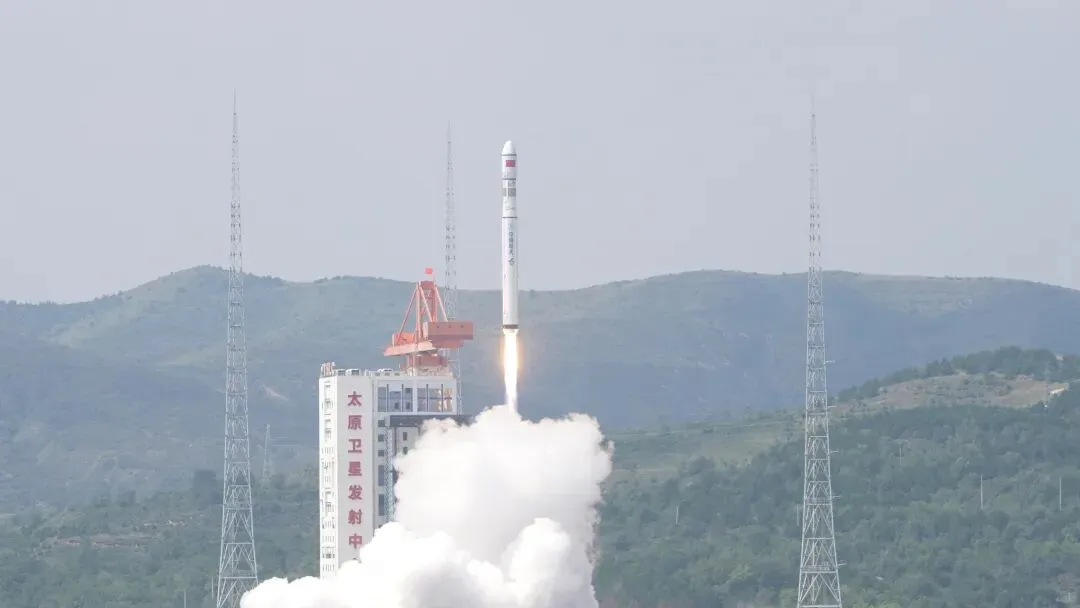
China Launches Seven Satellites on One Rocket, Including Thai CubeSat
At 11:21 a.m. Beijing Time on August 25, a Long March 6C carrier rocket lifted off from the Taiyuan Satellite Launch Center, successfully placing seven satellites into their designated orbits. The payloads included AIRSAT-14, AIRSAT-15, GISTDA CubeSat 1, Muduo-1A, Muduo-1B, Jing’an Dream Satellite and Bayi-04. The launch marked the 665th flight of China’s Long March…
-
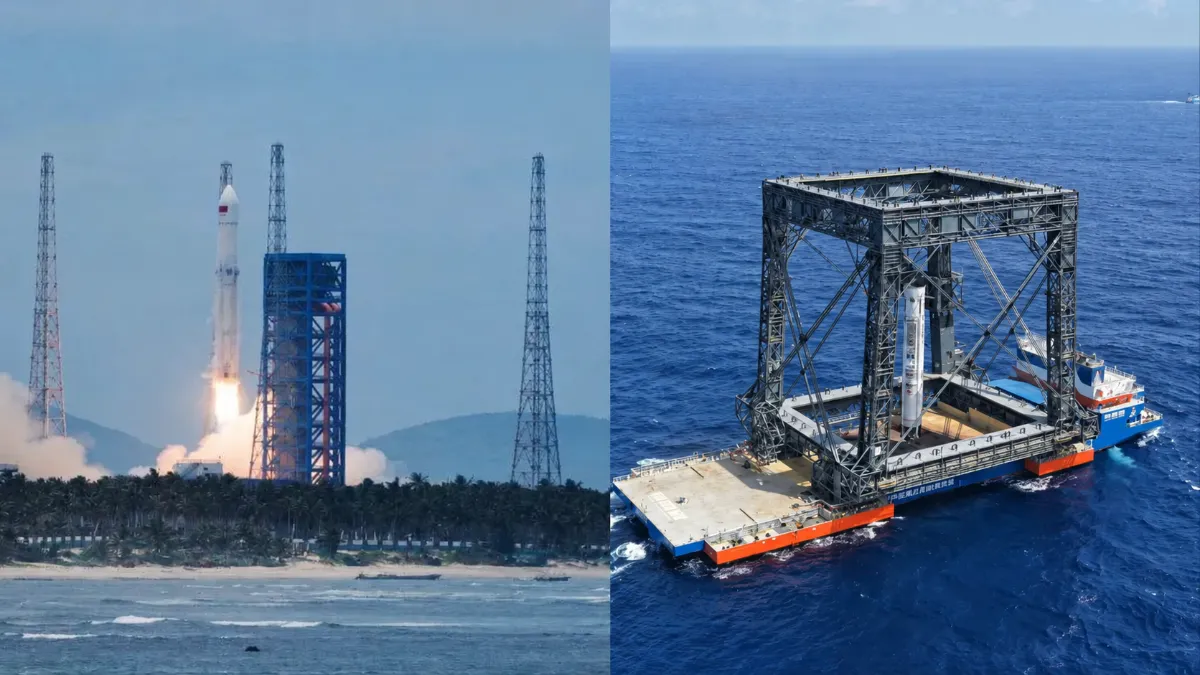
In-Depth Look at the Long March 10B Launch Vehicle
I. Basic Information The Long March 10B is a large, reusable commercial liquid-propellant launch vehicle with a diameter of 5 meters. The rocket was developed under the overall responsibility of the China Academy of Launch Vehicle Technology (CALT). The project was formally approved on July 3, 2025, entered the engineering development phase in December 2025,…
-

Why Is China Going to Such Lengths to Send Computing Power into Space?
China is working to give satellites an additional “brain” by combining artificial intelligence and onboard computing with traditional space capabilities. The objective is not simply to process data in orbit, but eventually to enable autonomous spacecraft, robotic servicing and the construction of large-scale computing infrastructure and human bases in space. What Is Space-Based Computing? Space-based…
-

SpaceXAI Selects Nvidia Vera CPUs to Power Agentic AI on Earth and Future Orbital Computing Systems
SpaceXAI has selected Nvidia’s Vera CPU architecture and the broader Vera Rubin platform to support its next-generation agentic artificial intelligence infrastructure, marking a significant expansion of the partnership between Elon Musk’s AI ambitions and Nvidia’s rapidly growing AI computing ecosystem. The announcement positions Nvidia’s first CPU specifically designed for AI agents at the center of…
-
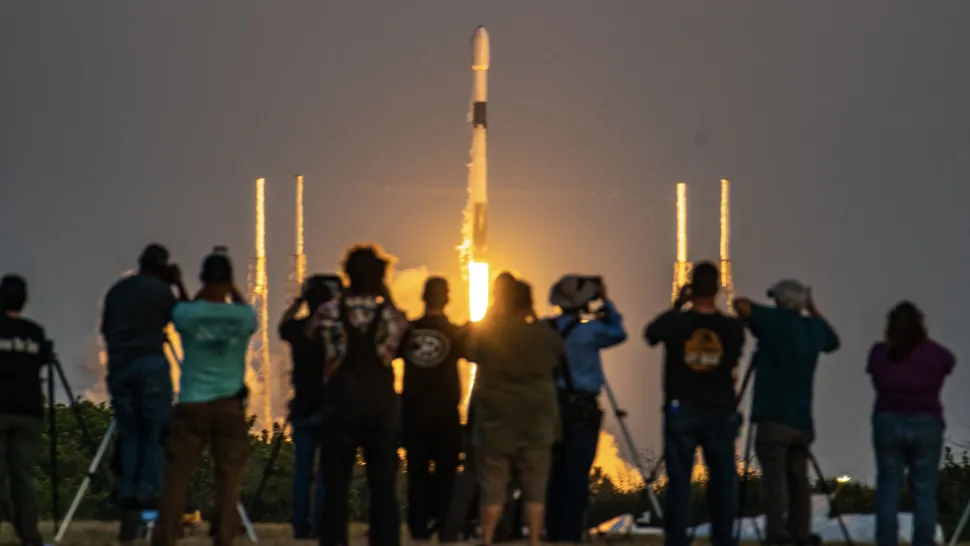
Falcon 9’s Final Chapter? SpaceX Plans to Retire Its Workhorse Rocket Once Starship Reaches Full Operational Service
SpaceX is preparing for one of the most consequential transitions in launch industry history: the eventual retirement of the Falcon 9 rocket, the vehicle that transformed commercial spaceflight and established reusable launch systems as an industry standard. According to comments highlighted by SpaceX leadership and reported by Space.com, the company intends to phase out Falcon…
-
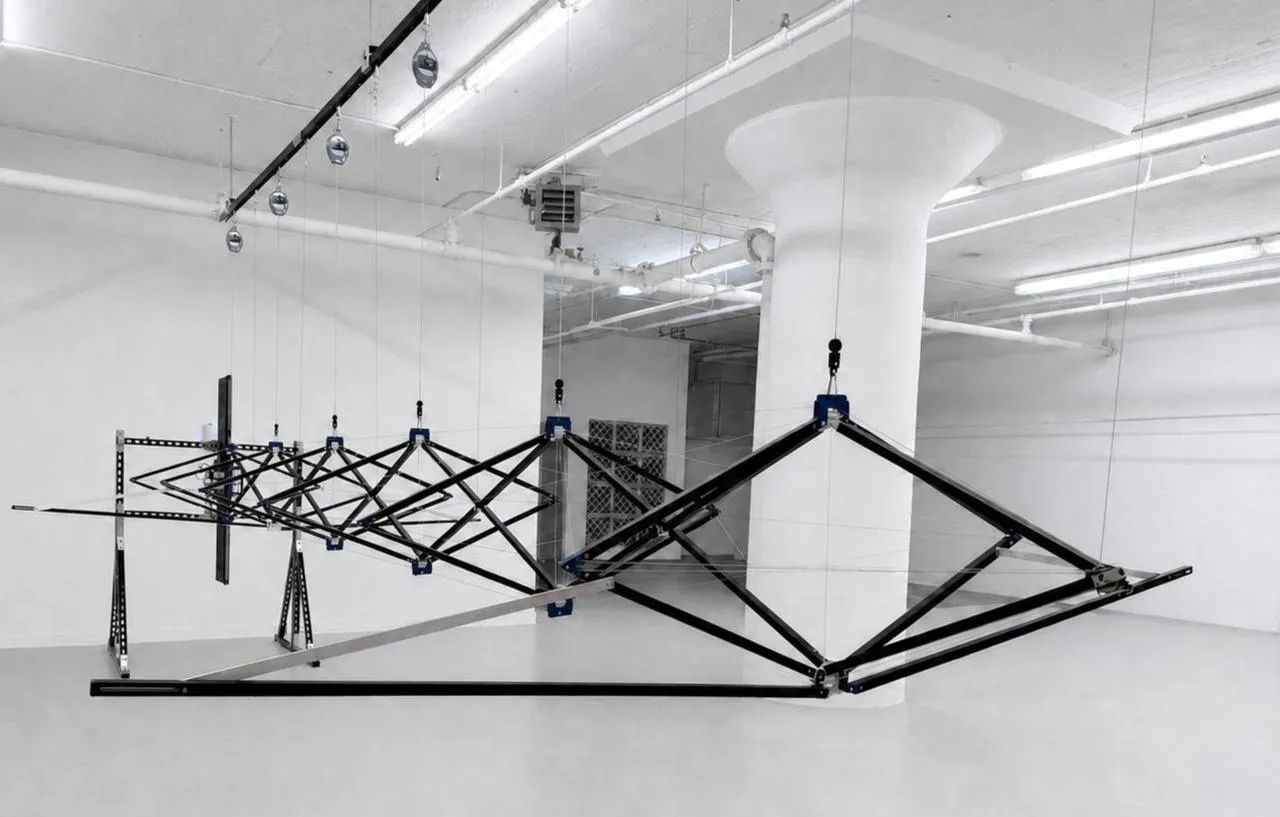
Beyond Reach Unveils FlareWing Deployable Structures to Bring High-Power Capability to Small Satellites
A new generation of space infrastructure—from commercial space stations to orbital data centers and lunar systems—is driving demand for spacecraft capable of generating far more electrical power than traditional small satellites can provide. Seeking to address that challenge, Beyond Reach Technologies has introduced FlareWing, a family of deployable structural systems designed to dramatically increase the…
-
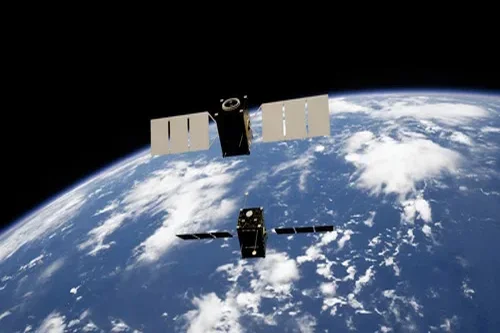
How Brutal Is a Satellite Launch? G-Loads, Vibration, Shock, Noise and Vacuum Explained
A satellite is often treated as an exceptionally delicate object on the ground: temperature and humidity are tightly controlled in cleanrooms, lifting speeds are limited, connectors are fitted with protective caps, and optical surfaces cannot be exposed casually. But once sealed inside a payload fairing, it must endure engine ignition, liftoff, transonic flight, maximum dynamic…