
Author: starpathwp-production
-

Silicon Valley Space Week Speaker Focus: Matt Jenkins, Vantor
Vantor said on October 16 that it had integrated its Raptor visual positioning software with Sightline Intelligence’s onboard vision system, so that drones can place themselves and their targets when GPS is jammed. The companies said that in tested configurations, nine of ten target estimates landed within three meters in flight trials. The company that…
-
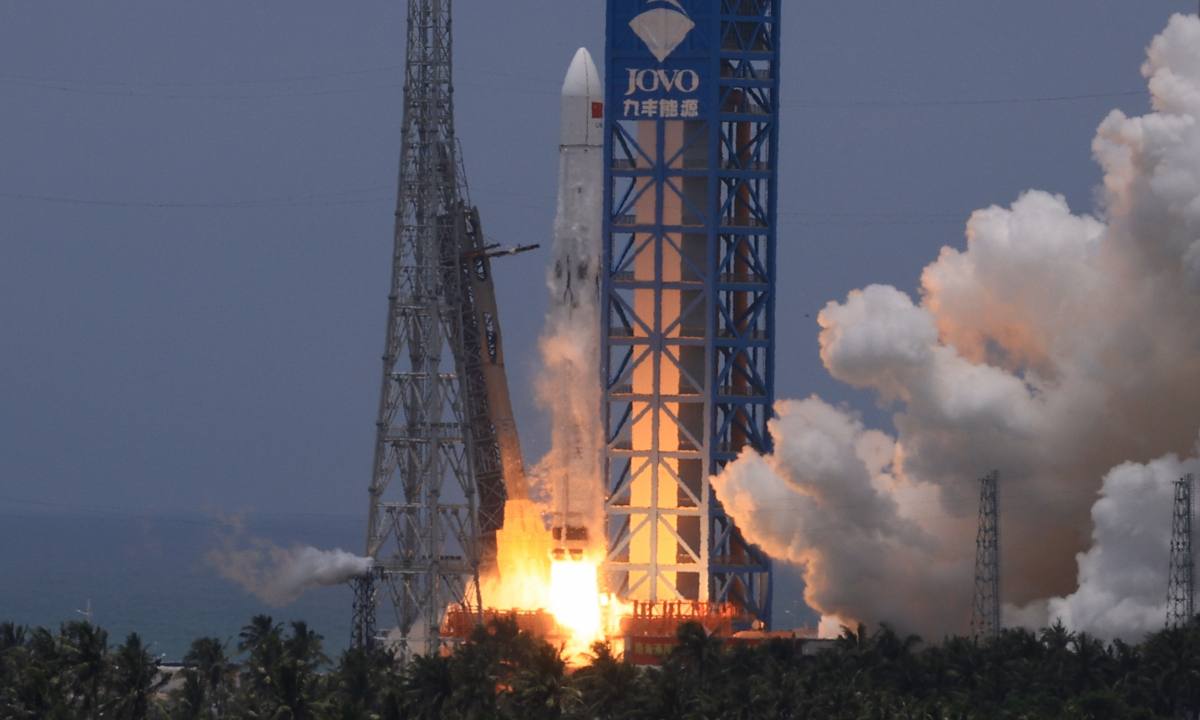
China’s Long March 10B Completes First Stage Recovery, Marking Country’s First Reusable Launch Milestone
The achievement comes as China advances from expendable vehicles toward reusable designs, part of what experts describe as an ongoing effort to meet more demanding space goals. The year 2026 marks the 90th anniversary of the victory of the Long March, the military trek from 1934 to 1936, from which the rocket family takes its…
-
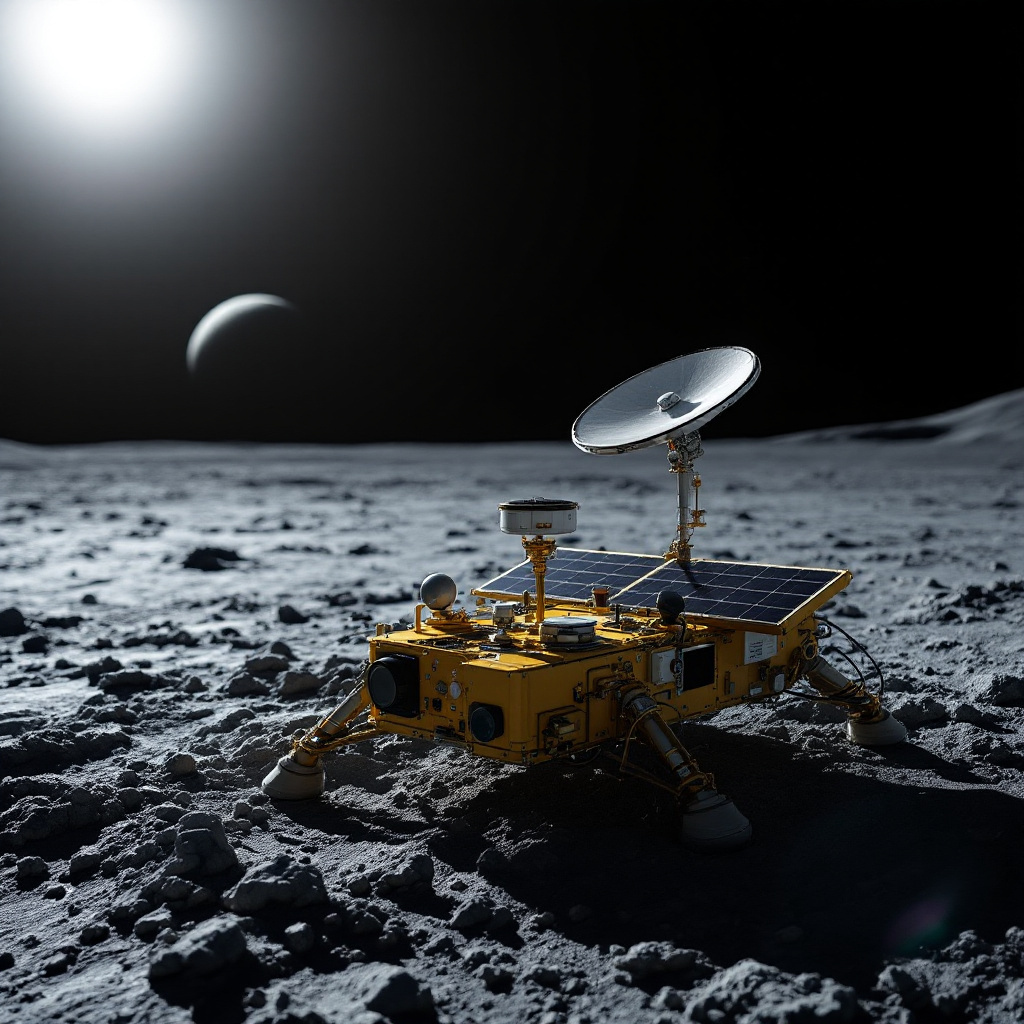
NASA Taps University of Maryland for Lunar South Pole Monitoring Station
The selection ties together two priorities. Water ice at the lunar south pole is central to establishing a sustained human presence, and LEMS-SP is built to search for that ice while also monitoring environmental hazards. By carrying that work out at the south pole, the station places both objectives in the area NASA has identified…
-
BAE Systems and U.S. Department of Defense Sign Multi-Year Framework to Expand APKWS Production
On Monday, October 19, 2026, defense contractor BAE Systems announced the signing of a multi-year framework agreement spanning up to seven years with the U.S. Department of Defense to expand production of Advanced Precision Kill Weapon System (APKWS) laser-guidance kits. The framework agreement establishes a surge-ready industrial baseline designed to scale manufacturing capacity up to…
-
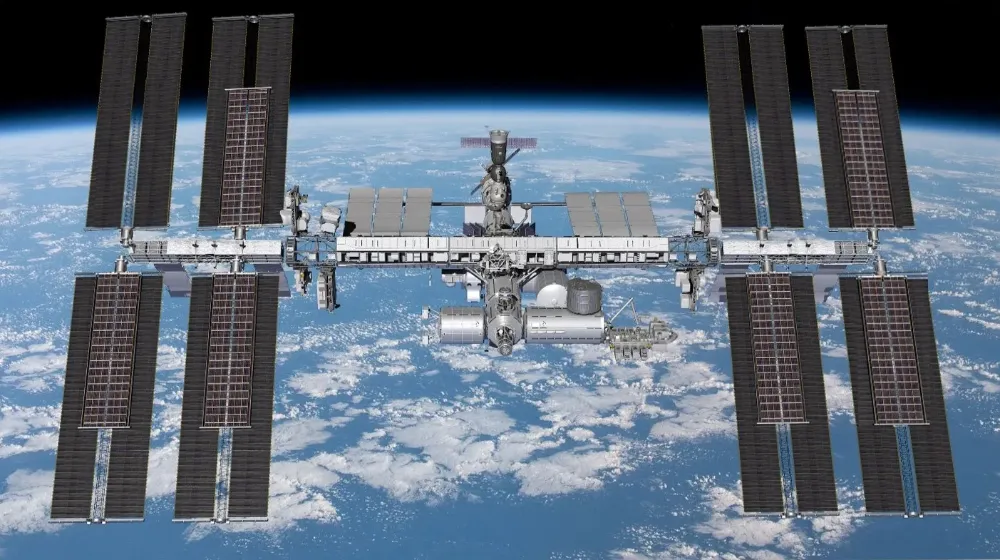
Powering Orbital Computing: From Watts to Megawatts
If chips are the bricks and data centers are the buildings, power is one of the essential utilities that makes them work. Computing ultimately comes down to watts: keeping a 700-watt GPU running in orbit requires an entire engineering system, from solar-array orientation and battery chemistry to bus voltage. Moving from watts to megawatts means…
-
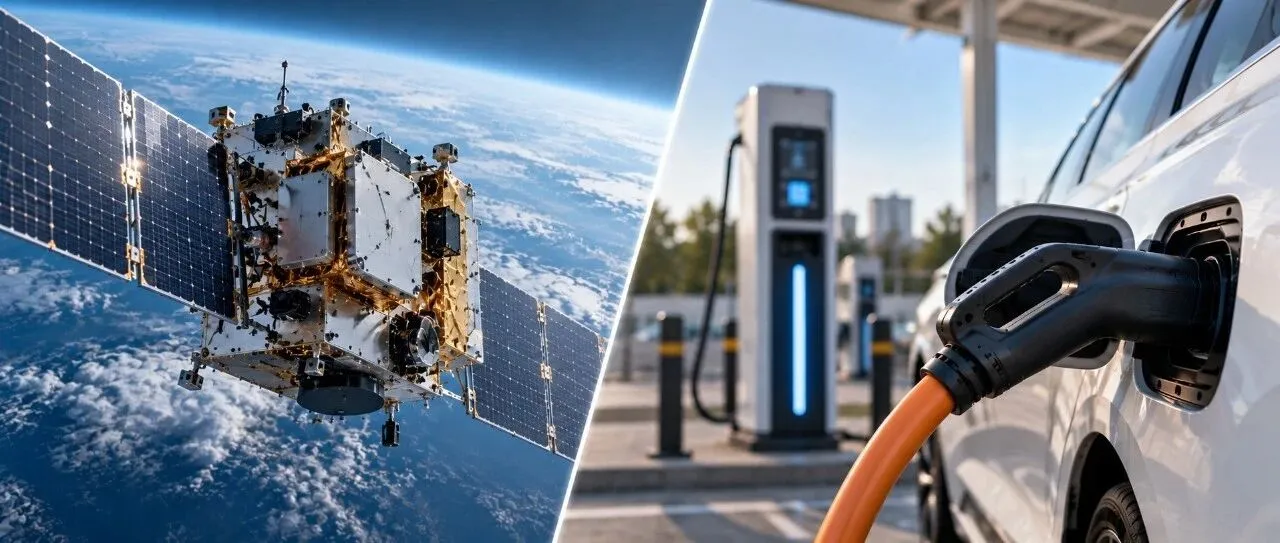
From Satellite Power Buses to 800V EV Fast Charging: Why Does Higher Power Favor Higher Voltage?
As satellite payloads consume more electricity, power systems must deliver more power to onboard equipment. Electric vehicles seeking shorter charging times must also receive more energy through their charging ports in less time. If the supply voltage stays the same, both demands drive up current. Higher current increases resistive heating. To control temperature rise and…
-
PLD Space Begins System-Level Testing of MIURA 5 Across Expanded Industrial Facilities
On Monday, October 19, 2026, Spanish launch service provider PLD Space announced the start of system-level testing for its orbital launch vehicle, MIURA 5, having completed manufacturing on its first three vehicles. Announced from Elche, Spain, the milestone initiates qualification campaigns for the vehicle’s integrated second stage while scaling parallel manufacturing lines ahead of its…
-
Cloud-Native Computing Goes to Space: Do Satellites Need Docker?
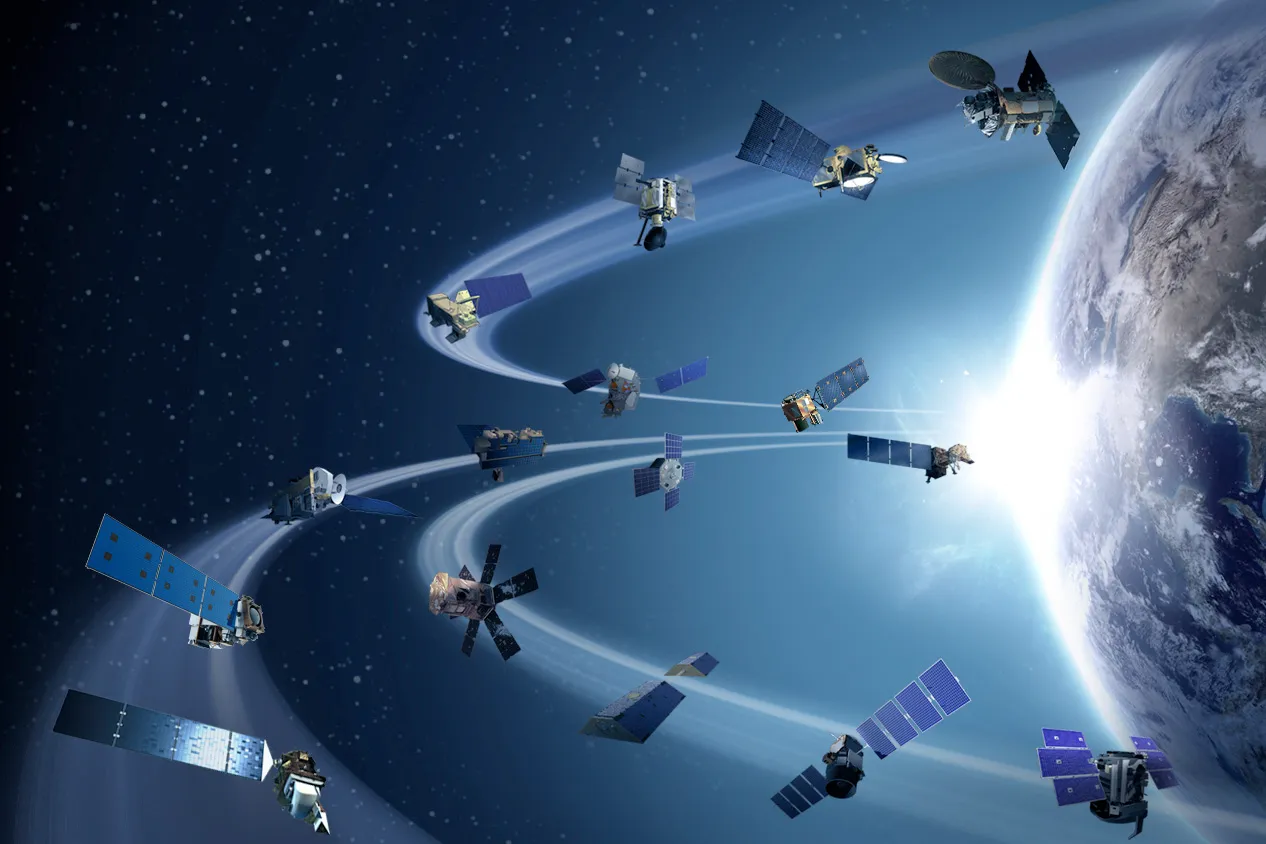
Software-defined satellites and in-orbit upgrades are taking spacecraft operations toward a broader idea: managing satellites like servers in a data center. That means container orchestration, incremental updates and even running a 5G core network on an onboard server. It may sound ambitious, but Chinese in-orbit experiments are already exploring these capabilities. Why Software Needs Standard…
-

NYU Study Finds Human Genome Stays Robust Under Simulated Microgravity
The research set out to answer a question that remains open despite the completion of the Human Genome Project in April 2003: what physical rules govern how the genome organizes itself, and what role gravity plays. Decades of expeditions to the International Space Station have shown that prolonged time in space can cause muscle atrophy,…
-
Russian Military Satellite Parks Within 5 Kilometers of ICEYE Radar Spacecraft
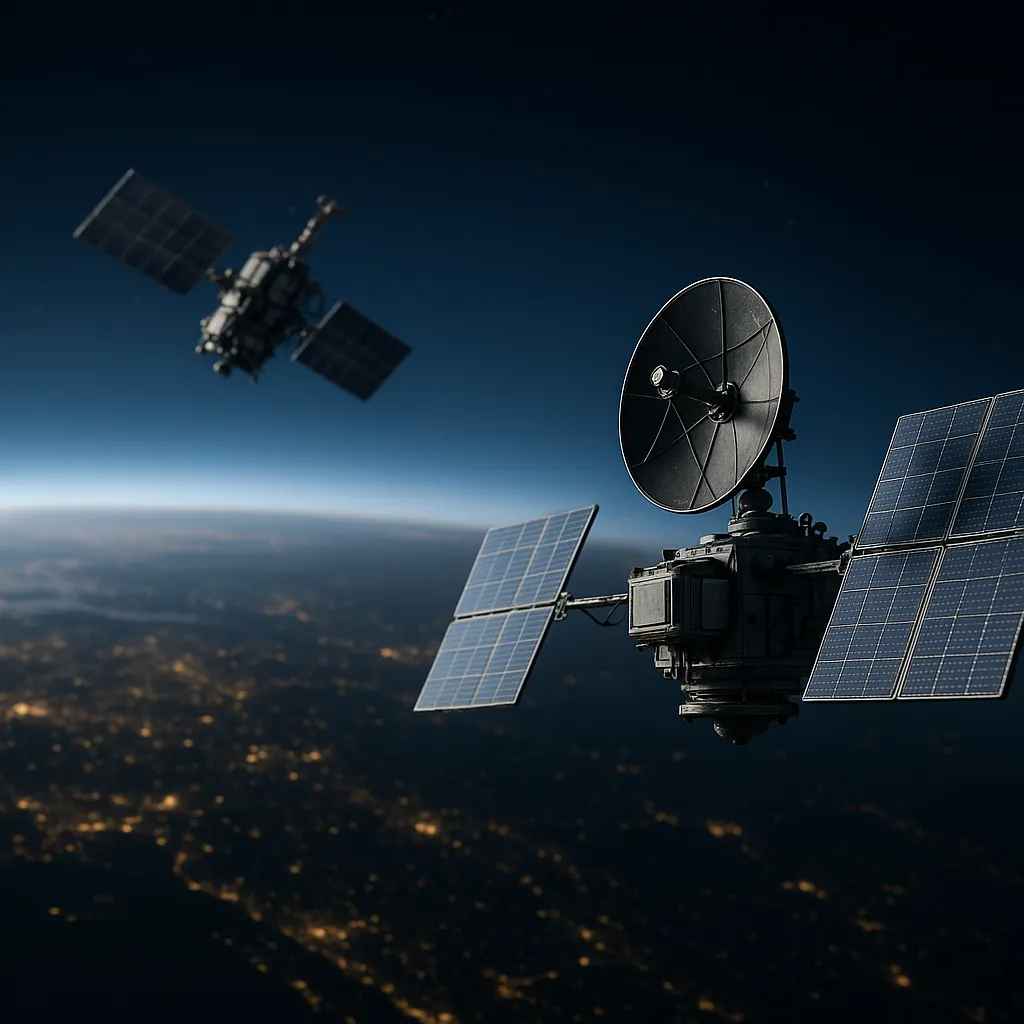
Defence Blog reported on October 18 that Russian satellite Kosmos 2612 adjusted its orbit on October 16 to close on ICEYE-X36, operated by the US division of the Finnish-founded company. The maneuver follows a pattern of earlier approaches toward the same satellite. Astrophysicist and independent satellite tracker Jonathan McDowell identified the maneuver using updated orbital…