
Author: starpathwp-production
-
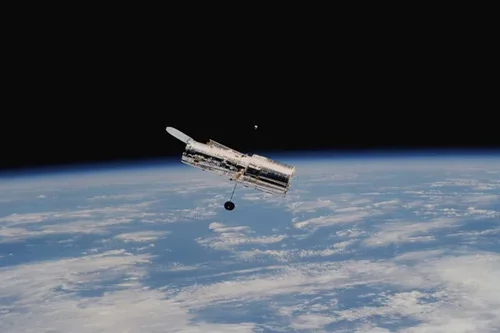
The New Space Race Will Be Won by Commercial Satellites
Over the past decade, commercial space has transformed satellites from “national-level missions” into industrial products that can be mass-produced and deployed on demand. As thousands of low-Earth orbit broadband, remote-sensing and navigation satellites form interconnected constellations, space has acquired the characteristics of infrastructure for the first time. It can continuously provide connectivity, observation and positioning…
-

K2 Space Raises $500 Million in Series D Funding Round at $6.8 Billion Valuation
K2 Space, the manufacturer of big, high-power satellites, has announced a $500 million Series D funding round at a $6.8 billion valuation. Kleiner Perkins and ICONIQ have led the round, with participation from CapitalG, Lightspeed, Altimeter, Spark Capital, Sands Capital, ARK Invest, T. Rowe Price Associates, and other existing investors. “When my brother Neel and…
-

Sophia Space and Caltech Receive U.S Patent for Space-Based Data Center Architecture
Sophia Space, a portfolio company of Mandala Space Ventures, has announced the issuance of U.S. Patent No. 12,679,564, titled “Space-Based Data Centers,” which is jointly owned by Sophia Space and Caltech. The patent, filed in October 2024 and issued on July 14, 2026, covered architectures for the implementation of large-scale, modular data centers in space.…
-
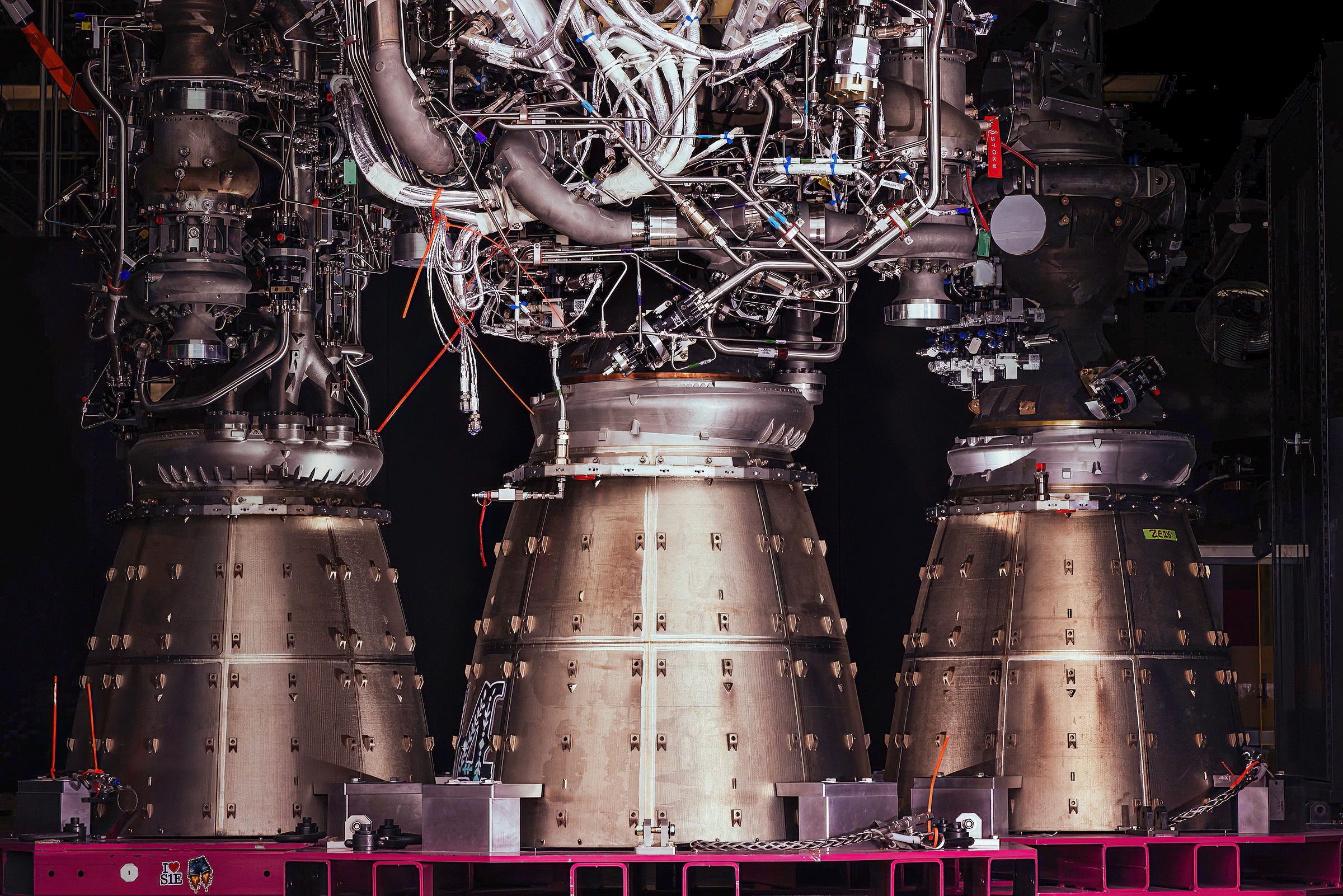
Rocket Report: New launch rule may limit environmental regulations, Falcon 9 to hit Moon
Welcome to Edition 9.05 of the Rocket Report! It was a big week for launch contracts, with both Rocket Lab and SpaceX scoring sizable deals from the US military for their respective Electron and Falcon 9 rockets. The vehicles have been the workhorses for small and medium lift for the United States over the past…
-
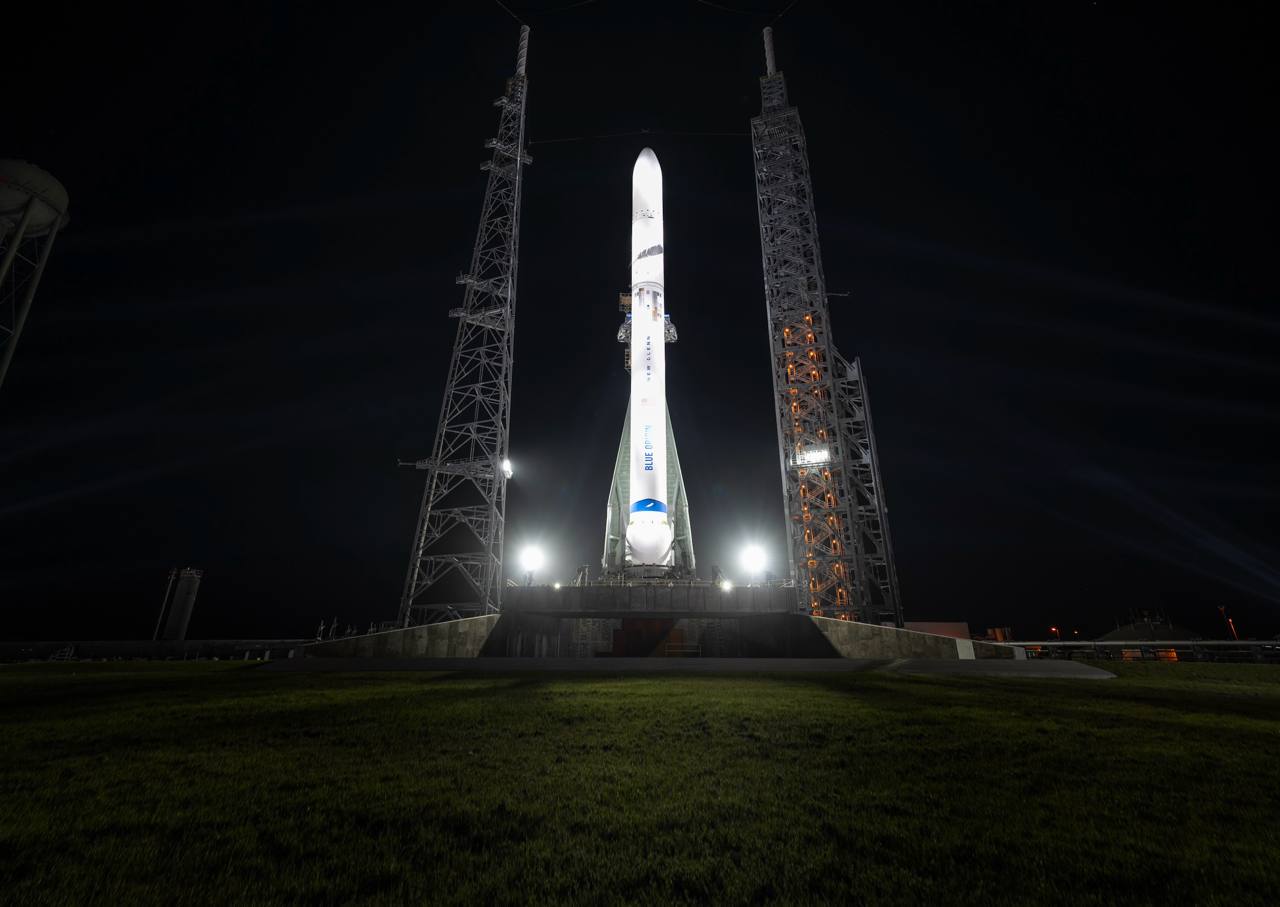
Blue Origin Rebuilds LC-36 Around New Operations Concept, Turns to Stennis for Second-Stage Testing
The May 28 anomaly destroyed the New Glenn first stage and heavily damaged LC-36 ahead of the vehicle’s fourth launch, toppling the lightning tower and destroying the transporter erector along with its hydraulic cylinders beyond repair. The tank farm, integration facility, water tower, and Vehicle Access Tower survived largely intact, giving Blue Origin a foundation…
-
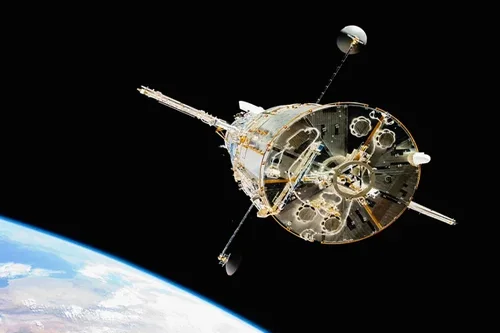
Rocket One and NASA Reach Agreement to Advance Space AI Technology
Rocket One, a technology company developing next-generation AI infrastructure and advanced technologies for the defense and space economy, announced that it has entered into a nonexclusive patent license agreement with the National Aeronautics and Space Administration (NASA) covering the Affordable Vehicle Avionics System (AVA), a NASA-developed technology that will serve as the foundation for Rocket…
-
NordSpace Funds NVD Amid Canada’s Export Push
NordSpace Ventures—the strategic investment arm of Canadian launch startup NordSpace—announced an investment in North Vector Dynamics (NVD) this week, a Canadian defense tech company building full-spectrum sovereign missile capability. The investment landed the same week Ottawa launched its Strategic Exports Office (SEO) in an effort to boost the country’s international competitiveness in strategic sectors—including aerospace…
-

Scottish Government Selects Planet Labs for AI-Based Agricultural Monitoring
Planet Labs Germany, a leading provider of daily data and insights about change on Earth, recently announced that it was selected for a 7-figure award from the Scottish Government’s Agricultural and Rural Economy Directorate. Under this one-year agreement, Planet will deliver PlanetScope data and advanced analytics to support Scotland’s Agricultural Reform Route Map. Secured through…
-
Report: Our Launch Cadence Forecast For Next-Gen Rockets
This content is restricted to subscribers The post Our Launch Cadence Forecast For Next-Gen Rockets appeared first on Payload Pro. The post Report: Our Launch Cadence Forecast For Next-Gen Rockets appeared first on Payload.
-
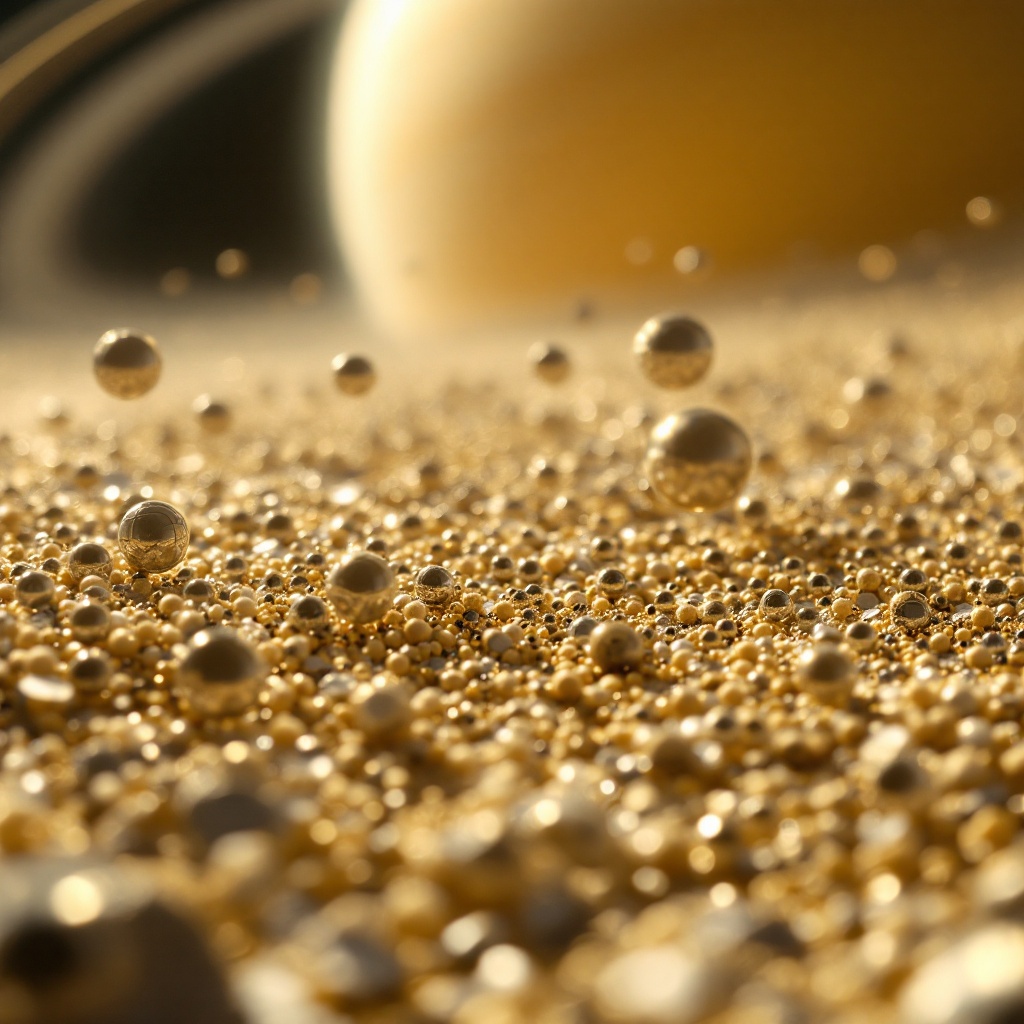
NASA Backs Concept to Release 10,000 Tiny Probes Directly Into Saturn’s Rings
Saturn’s rings remain poorly understood despite decades of observation from a distance. NASA’s last Saturn mission, Cassini, was unable to directly enter the rings and gathered data only from orbit before its planned atmospheric plunge in 2017. The new concept aims to close that gap by placing sensors inside the rings themselves. The study proposes…