
Author: starpathwp-production
-
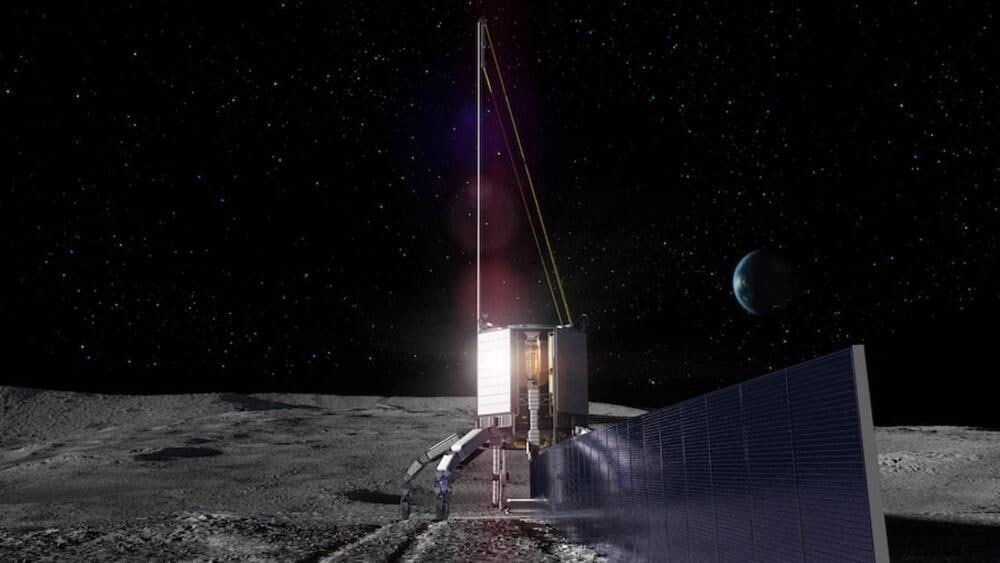
Blue Origin Unveils 20-Metre Power Tower to Supply Electricity at the Lunar South Pole
Generating continuous solar power on the Moon is difficult. Away from the poles, a lunar day and night each last roughly two weeks, leaving solar panels without direct sunlight for long stretches. The South Pole is different. Because the Moon is tilted by only about 1.5 degrees, the Sun remains very low on the horizon…
-
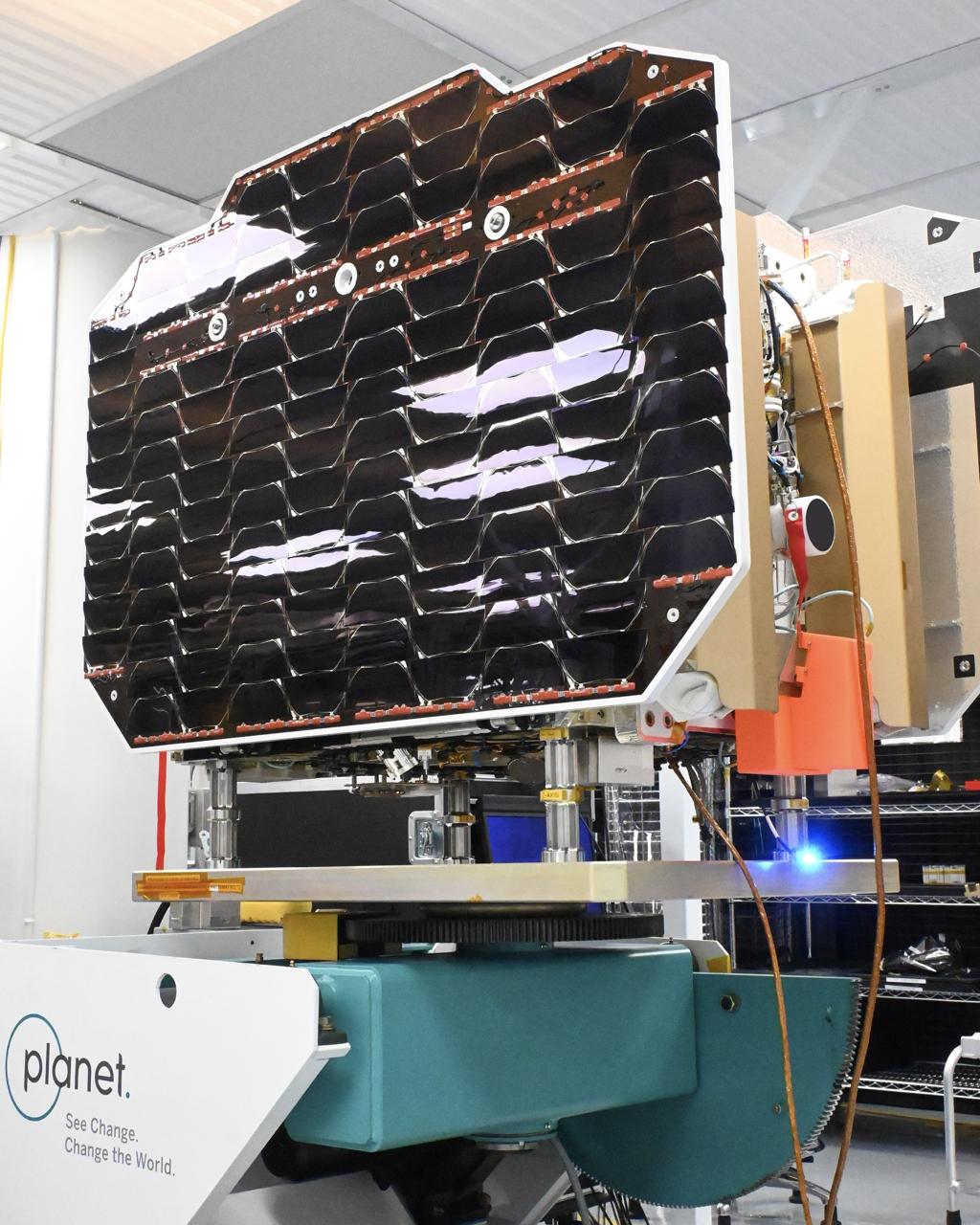
Planet Labs Ships Updated Pelican-12 to Florida for SpaceX Launch
Pelican is Planet’s next-generation high-resolution imaging line, and the Pelican-12 unit is an updated variant of that hardware. Shipping the satellite to the launch site signals that the company’s constellation refresh is advancing. Pelican-12 has arrived in Florida for a ride to orbit aboard a SpaceX vehicle. Planet Labs, which trades on the New York…
-

Philadelphia Designer Wins $300,000 in NASA Mars Food System Challenge
Mars to Table launched in January 2026 as a follow on to the earlier Deep Space Food Challenge, which NASA ran in collaboration with the Canadian Space Agency. The original challenge focused on prototyping novel food production methods. The 2026 competition asked teams to conceptualize space meals not as individual technology components but as a…
-

Blue Origin Raises $10 Billion in First Outside Funding Round at $140 Billion Valuation
Bezos is contributing another $2 billion to the round, bringing his total investment in Blue Origin to roughly $30 billion since he founded the company in 2000. The financing could ultimately exceed the initial $10 billion target. The fundraising surfaced financial projections that point to steep growth. Blue Origin generated about $800 million in revenue…
-

Europe Decides in December Whether to Launch Its Own Astronauts. The Money Comes Later.
European ministers meeting in Rome on Dec. 15 will be asked whether Europe should build its own crew transportation capability, and the question put to them runs well past a capsule. Josef Aschbacher, director general of the European Space Agency, set out the scope on the opening morning of World Space Business Week in Paris…
-
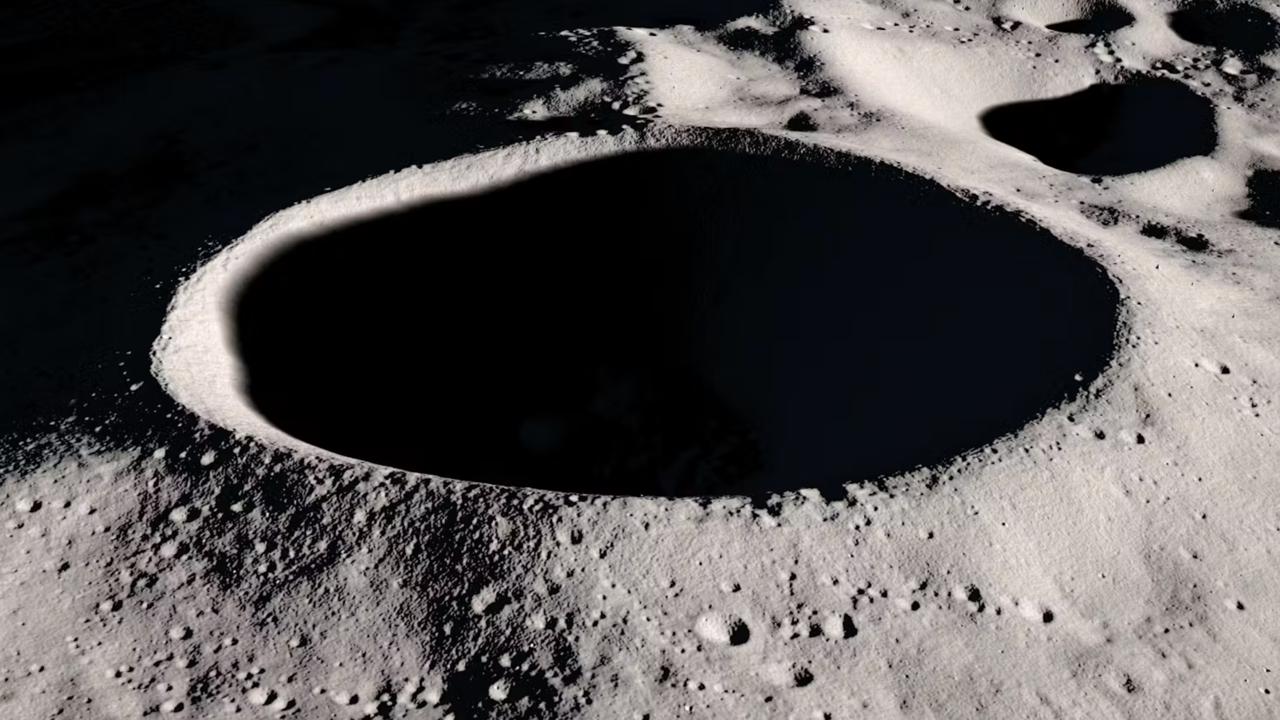
NASA Chief Says Chang’e 7 Delay May Have Spared US a Race for Shackleton Crater
China delayed the Chang’e 7 launch last month without a detailed explanation. The mission targets the lunar south pole, the same region NASA intends to reach. The high rims of Shackleton Crater create permanently shadowed regions known as cold traps, where water ice and other useful materials may have accumulated over billions of years. In…
-
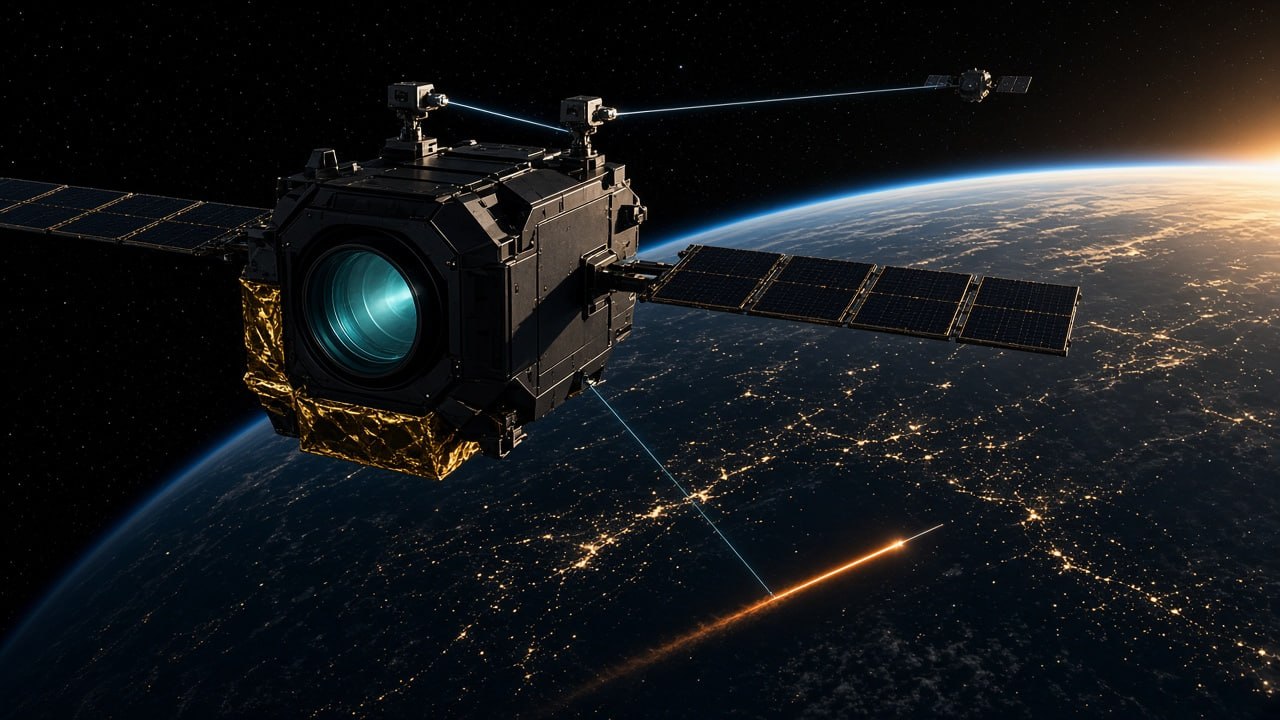
Space Force Missile-Tracking Satellites Clear Design Reviews Across Two Orbits
The Space Force is developing missile-tracking constellations across both low Earth orbit and medium Earth orbit. The effort reflects a maturing architecture for detecting and tracking missile threats rather than a single-orbit approach. The work spans two orbital regimes, with the service pursuing sensor coverage in both LEO and MEO. Three programs have now passed…
-
Hubble Network Secures $200 Million Series C Round at $1.6 Billion Valuation for Bluetooth Constellation
On Sept. 23, 2026, direct-to-satellite IoT operator Hubble Network announced the completion of a $200 million Series C financing round, raising the company’s private market valuation to $1.6 billion. Led by Smith Point Capital, the funding round included participation from Seraphim, Carthona Capital, Earthshot Ventures, RPM Ventures, and Y Combinator. The investment brings Hubble Network’s…
-

GomSpace Selected for ESA-Funded Arctic Maritime Communications Satellite Feasibility Study
On Sept. 24, 2026, satellite manufacturer GomSpace confirmed its participation in an ESA-funded feasibility study to define system concepts for a dedicated Arctic satellite constellation. Executed alongside industry partners Sternula, London Economics Denmark, and Canadian Arctic consultancy PIRC, the study will establish user requirements, commercial models, and technical architectures for resilient maritime digital communications across…
-

Commercial, Industrial, Standard Military and Space: What These Component Labels Mean, and Where CAST and SAST Parts Lists Fit In
A supplier describes a chip as “space grade.” A procurement specialist wants to know whether it appears on an approved-parts list. At a program review, an engineer asks a different question: Can the device meet mission requirements in this particular circuit position? These questions may sound repetitive, but they are not asking the same thing.…