
Blog
-
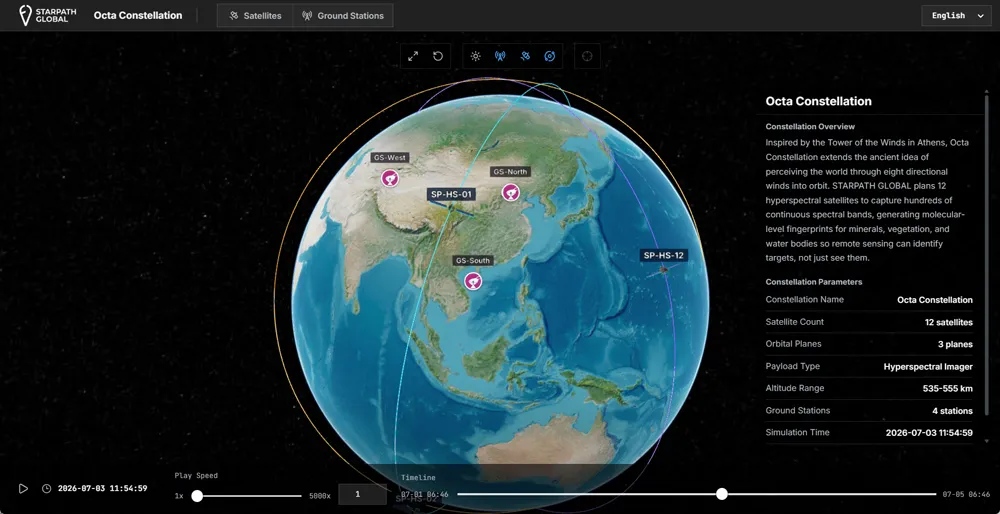
STARPATH GLOBAL Officially Launches “Octa” Hyperspectral Constellation Program, Accelerating the Global Expansion of China’s Commercial Space “Navigator”
Read more →: STARPATH GLOBAL Officially Launches “Octa” Hyperspectral Constellation Program, Accelerating the Global Expansion of China’s Commercial Space “Navigator”In 2026, China’s commercial space sector marked a milestone in its international expansion. Recently, STARPATH GLOBAL, a leading…
-
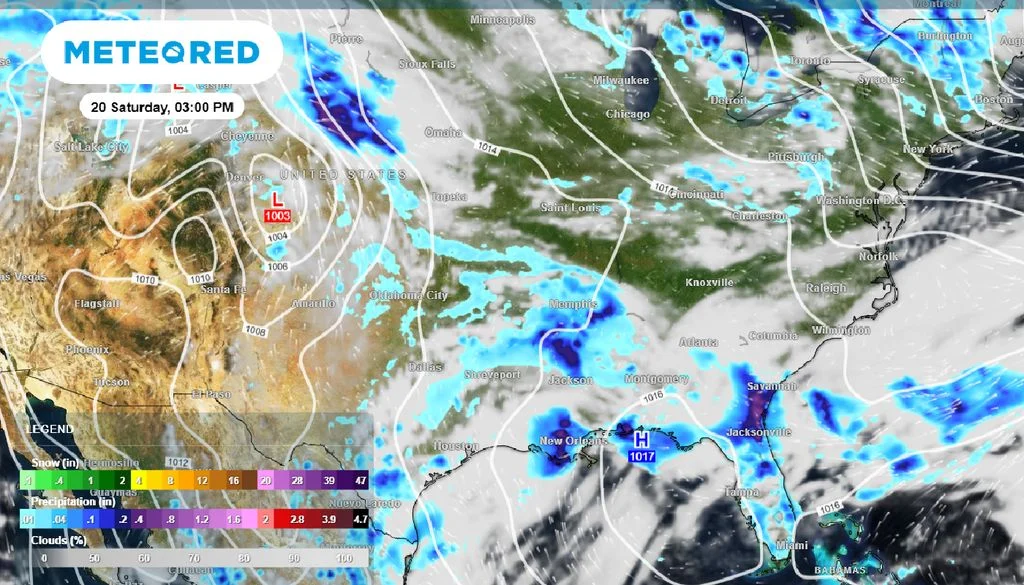
From Extreme Weather to Actionable Intelligence: How Satellite Data Is Powering Climate Risk Applications
Read more →: From Extreme Weather to Actionable Intelligence: How Satellite Data Is Powering Climate Risk ApplicationsExtreme weather events are increasingly recognized as material drivers of operational and financial risk across multiple industries. Rather…
-
What Is Disaster Recovery as a Service (DRaaS) in the Space Industry?
Read more →: What Is Disaster Recovery as a Service (DRaaS) in the Space Industry?As climate-related disasters, infrastructure disruptions, and operational risks become more frequent worldwide, organizations are increasingly seeking faster ways…
-
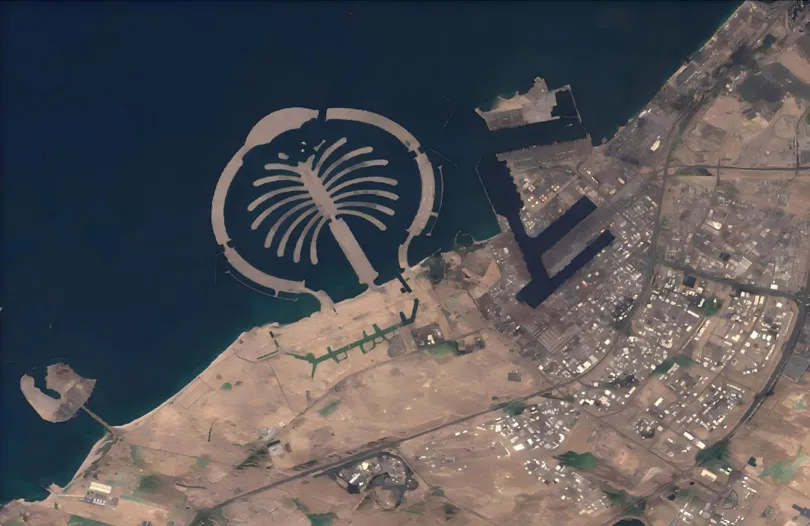
When the Desert Flooded: Satellite Imagery and the Future of Agricultural Flood Insurance
Read more →: When the Desert Flooded: Satellite Imagery and the Future of Agricultural Flood InsuranceThe April 2024 UAE floods stress-tested every traditional risk assessment model. STARPATH GLOBAL satellite imagery shows how Earth…
-
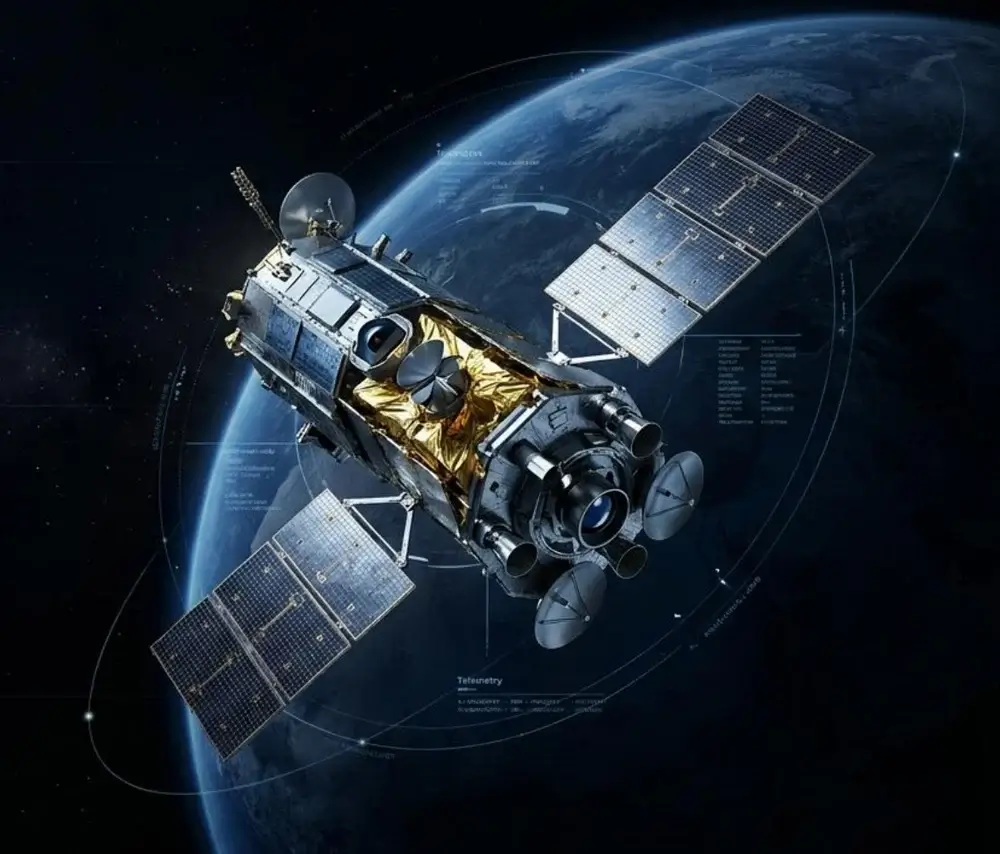
Mineral Exploration Reimagined: How Satellite Remote Sensing and AI Are Transforming Global Resource Discovery
Read more →: Mineral Exploration Reimagined: How Satellite Remote Sensing and AI Are Transforming Global Resource DiscoveryIn Canada and Australia, government-backed incentives have long been used to stimulate mineral exploration investment. Canada’s Mineral Exploration…
-
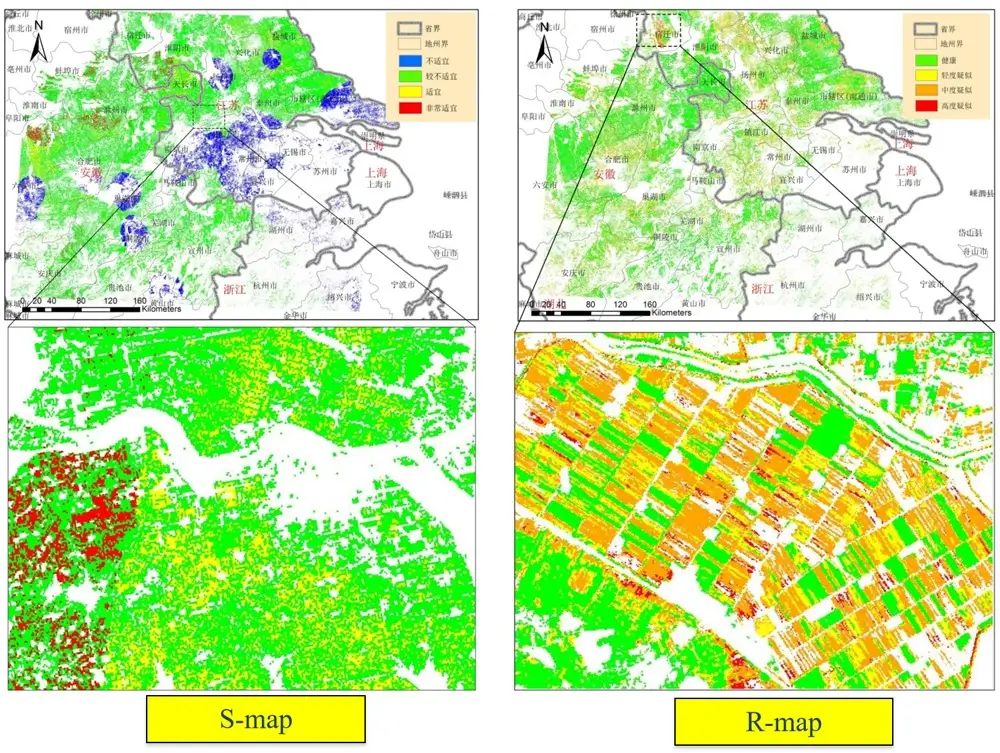
How to Monitor Crop Health Using Satellites: Transforming Modern Agriculture with Remote Sensing and AI
Read more →: How to Monitor Crop Health Using Satellites: Transforming Modern Agriculture with Remote Sensing and AISeveral years ago, wheat farmers in Gansu Province, China, faced a familiar challenge. By the time they noticed…
-
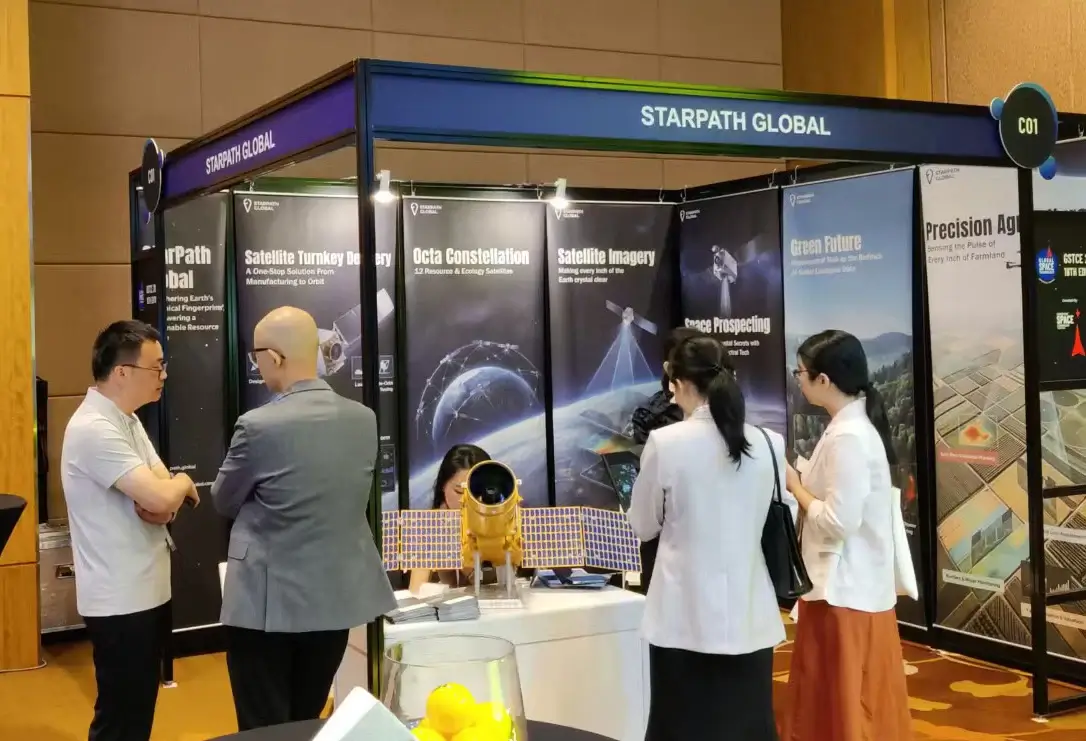
GSTCE 2026: StarPath Global Showcases Decade-Strong Commercial Space Capabilities to Global Partners
Read more →: GSTCE 2026: StarPath Global Showcases Decade-Strong Commercial Space Capabilities to Global PartnersSingapore, May 2026 — StarPath Global participated in the Global Space Technology Convention & Exhibition (GSTCE) 2026 in Singapore,…
-
StarPath Global Closes Serbia Space Expo with China’s Leading Space Firms, Targets Energy & Agriculture Cooperation
Read more →: StarPath Global Closes Serbia Space Expo with China’s Leading Space Firms, Targets Energy & Agriculture CooperationChairman Jing Lv Delivers Address on Satellite Intelligence for Europe; Serbian Energy and Agriculture Ministries Signal Cooperation Intent…
-
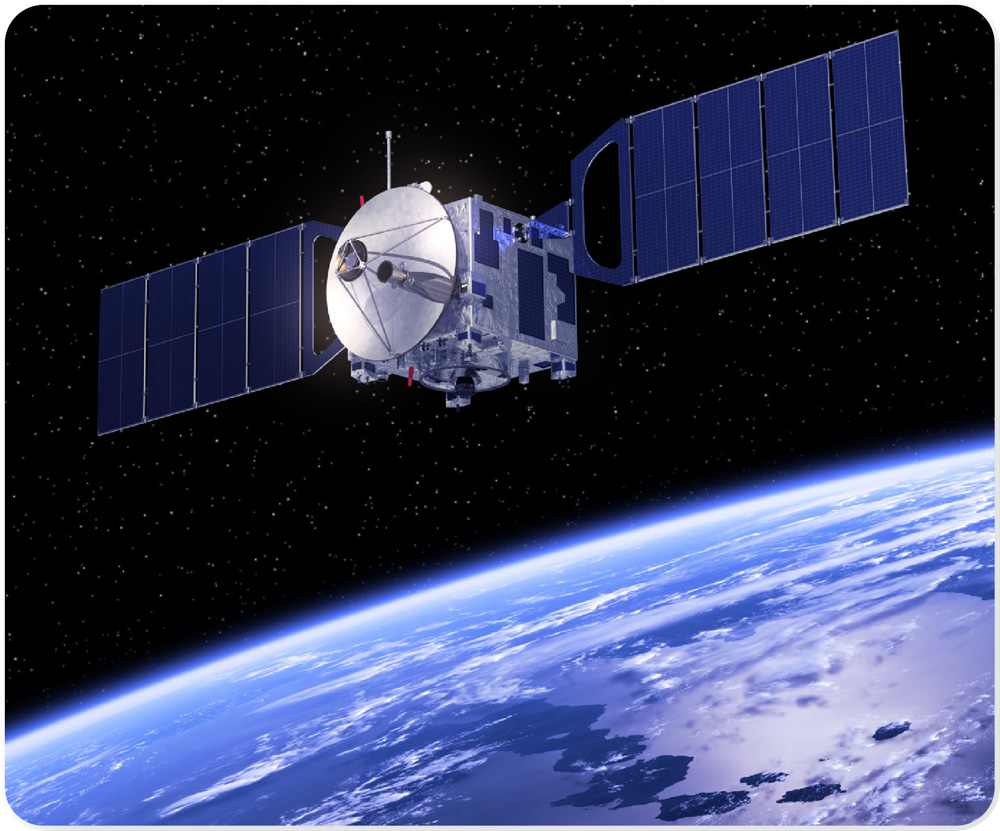
From Orbit to Operational Intelligence One Partner, Complete Chain
Read more →: From Orbit to Operational Intelligence One Partner, Complete ChainMost Earth observation companies sell you data. We deliver outcomes — because we control every link in the…
-
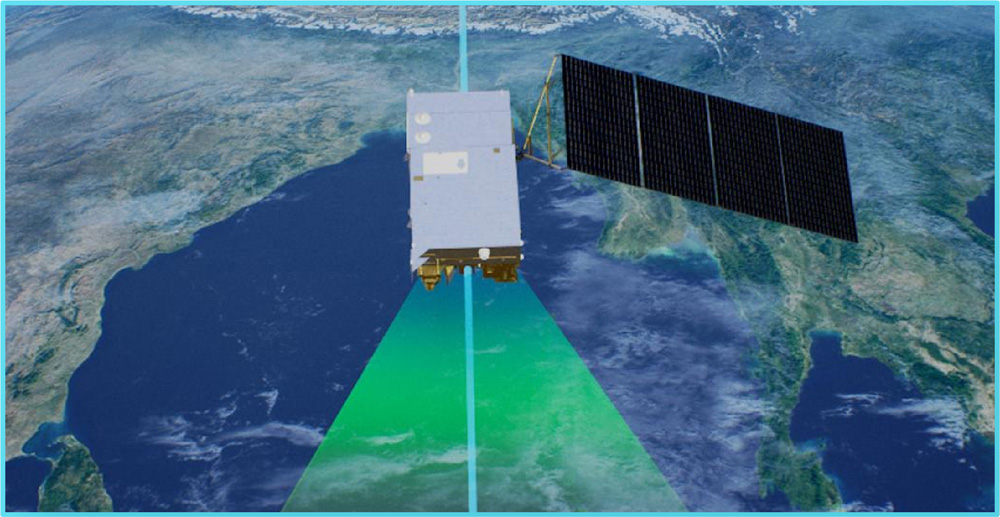
The Data Gap That Is Costing Your Country Billions
Read more →: The Data Gap That Is Costing Your Country BillionsEvery forest fire that spreads beyond control, every pipeline that fails before inspection, every harvest lost to disease…