
Blog
-
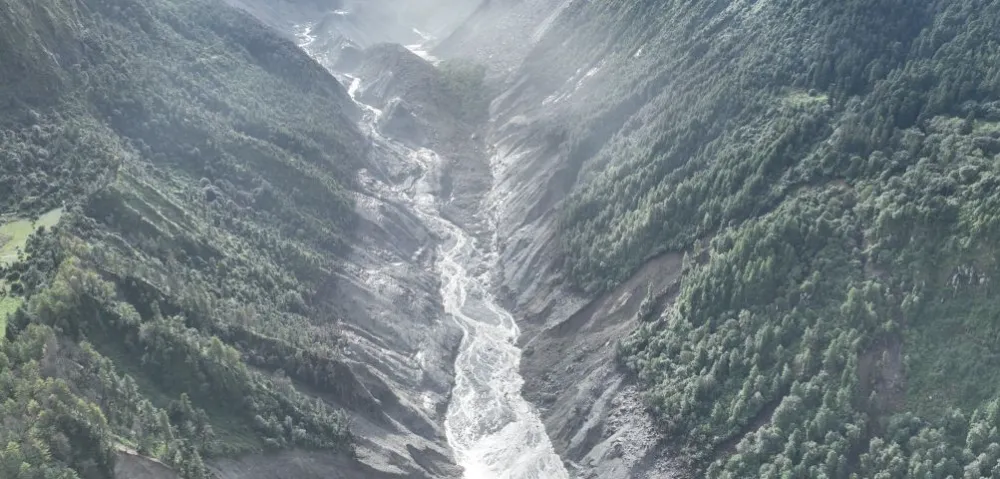
China–Nepal Border Flood: How Satellite Intelligence Supports Disaster Response When Roads and Communications Fail
Read more →: China–Nepal Border Flood: How Satellite Intelligence Supports Disaster Response When Roads and Communications FailInformation current as of August 28, 2026. The disaster mechanism, casualty figures, and damage estimates remain subject to…
-
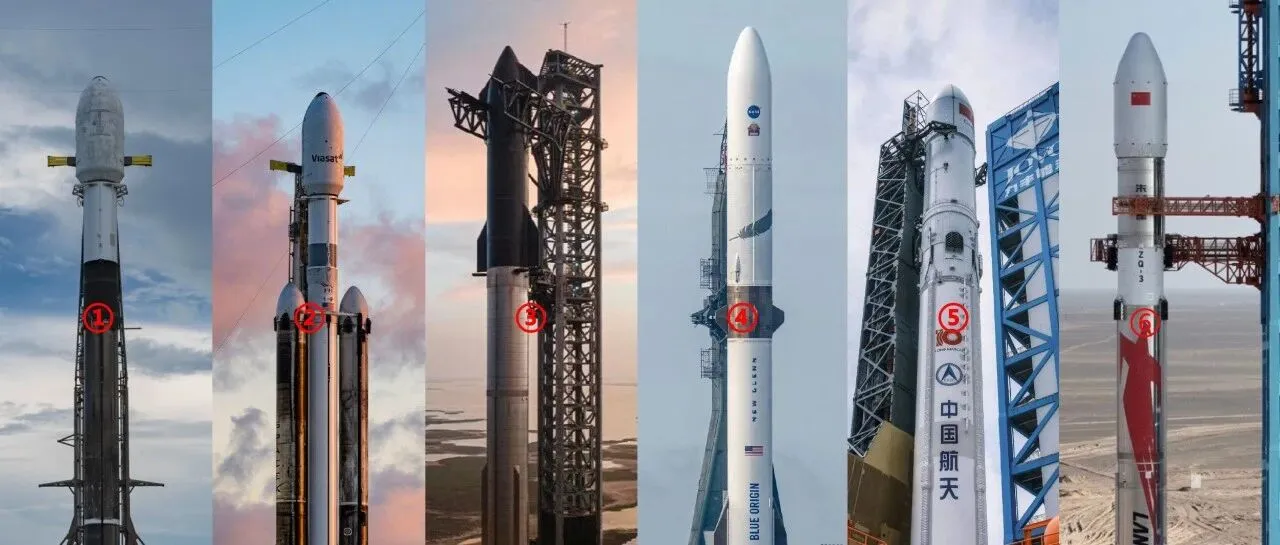
Decoding the Six Reusable Rockets Successfully Recovered Worldwide
Read more →: Decoding the Six Reusable Rockets Successfully Recovered WorldwideRocket recovery has evolved from an experimental concept into one of the defining capabilities of modern launch vehicles.…
-
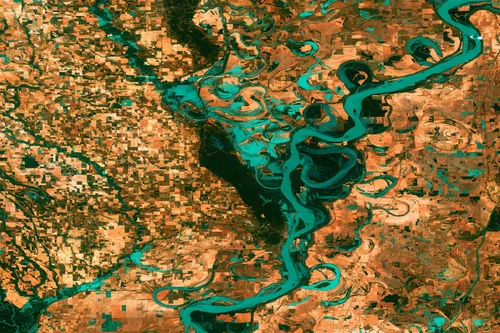
China’s Butuo County Deploys Satellite Remote Sensing and Low-Altitude Drones for Agriculture and Governance
Read more →: China’s Butuo County Deploys Satellite Remote Sensing and Low-Altitude Drones for Agriculture and GovernanceAcross China, satellite remote sensing and low-altitude drones are increasingly being deployed in rural agriculture. From monitoring crop…
-
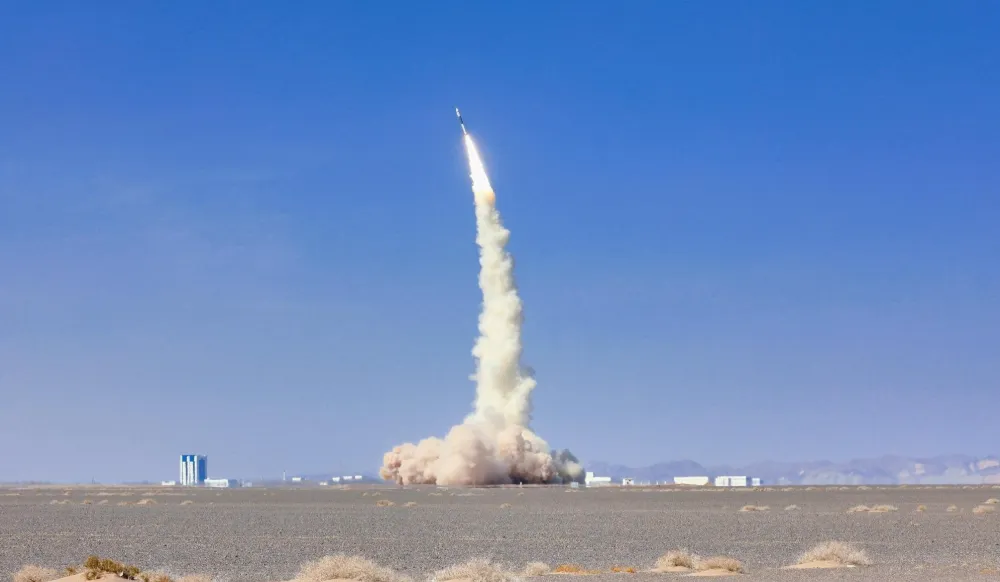
Multi-Satellite Launches: Why Satellites Are “Riding Together” Into Space
Read more →: Multi-Satellite Launches: Why Satellites Are “Riding Together” Into SpaceIn recent years, rockets around the world have increasingly carried several satellites on a single launch. China’s commercial…
-

STARPATH GLOBAL Showcases Space and Geospatial Intelligence Capabilities at Xinjiang Aerospace and Defense Technology Expo, Exploring New Opportunities for Global Commercial Space Cooperation
Read more →: STARPATH GLOBAL Showcases Space and Geospatial Intelligence Capabilities at Xinjiang Aerospace and Defense Technology Expo, Exploring New Opportunities for Global Commercial Space CooperationUrumqi, Xinjiang, China — The 2026 Xinjiang New Quality Productive Forces and Aerospace & Defense Technology Equipment Expo…
-
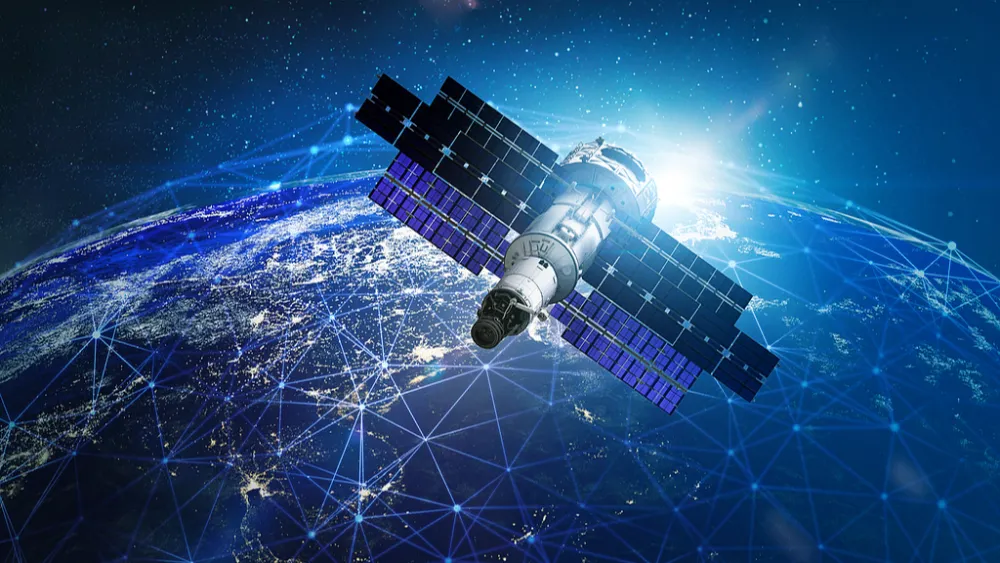
Why Is China Going to Such Lengths to Send Computing Power into Space?
Read more →: Why Is China Going to Such Lengths to Send Computing Power into Space?China is working to give satellites an additional “brain” by combining artificial intelligence and onboard computing with traditional…
-
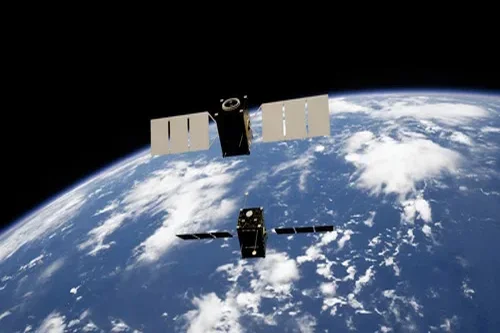
How Brutal Is a Satellite Launch? G-Loads, Vibration, Shock, Noise and Vacuum Explained
Read more →: How Brutal Is a Satellite Launch? G-Loads, Vibration, Shock, Noise and Vacuum ExplainedA satellite is often treated as an exceptionally delicate object on the ground: temperature and humidity are tightly…
-
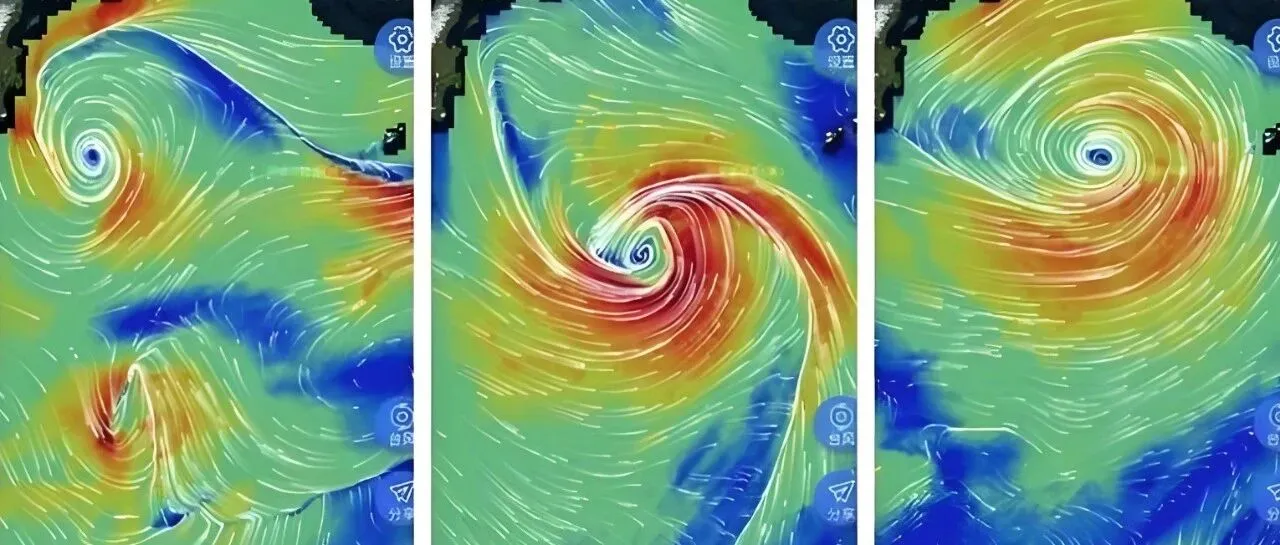
AI + Ocean Satellite Remote Sensing: A New Possibility for Marine Environmental Services
Read more →: AI + Ocean Satellite Remote Sensing: A New Possibility for Marine Environmental ServicesMarine environmental information is fundamental to major national projects and offshore activities, while satellite remote sensing is one…
-
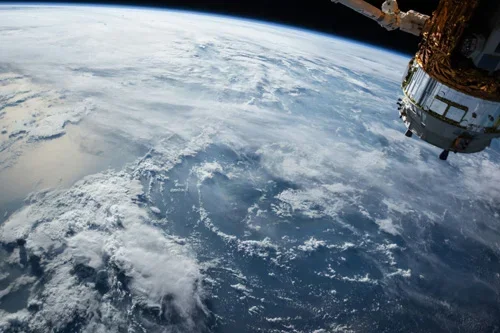
As Satellites Multiply, Does Space Need “Traffic Police”? A Survey of China’s Space Traffic Management Companies
Read more →: As Satellites Multiply, Does Space Need “Traffic Police”? A Survey of China’s Space Traffic Management CompaniesSuppose a satellite receives an alert in the early hours of the morning: in 36 hours, it may…
-
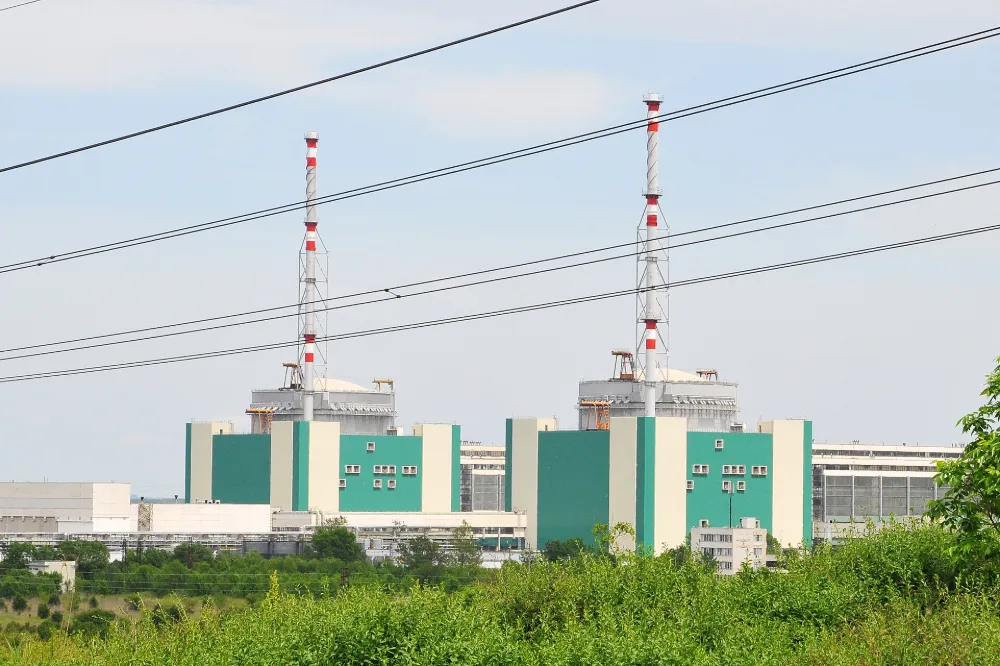
Danube Drought Cuts Nuclear Output: How Satellites Support Water–Energy Risk Monitoring
Read more →: Danube Drought Cuts Nuclear Output: How Satellites Support Water–Energy Risk MonitoringOn 20 August 2026, Bulgaria’s Ministry of Energy and Kozloduy Nuclear Power Plant announced that Unit 5 would…