
Bellatrix Aerospace continues to advance satellite propulsion technologies through the growing portfolio of electric and green propulsion systems designed for modern spacecraft. The company develops high-efficiency thruster systems and in-space mobility solutions that support orbit raising, station-keeping, maneuvering and orbital transfer operations for a wide range of satellite platforms. Bellatrix Aerospace focuses on propulsion systems that improve operational efficiency while minimizing environmental impact and mission complexity. The product portfolio includes electric propulsion systems, green chemical propulsion, nanosatellite thrusters and orbital transport vehicles designed to support the evolving requirements of commercial satellite constellations and next-generation space infrastructure.
Arka: Hall Effect Thruster Systems
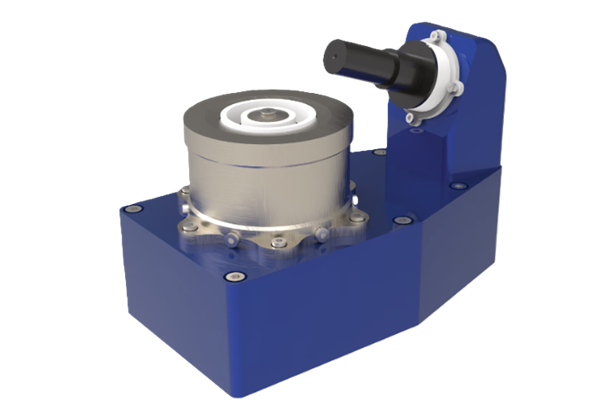
The Arka propulsion system is Bellatrix Aerospace’s Hall Effect Thruster (HET) platform designed for high-efficiency electric propulsion in satellite missions. Hall effect thrusters generate thrust by ionizing propellant and accelerating charged particles using electric and magnetic fields, producing efficient propulsion suitable for long-duration orbital maneuvers. Arka thrusters are designed to support applications such as orbit raising, station keeping, collision avoidance and de-orbiting operations. Their electric propulsion architecture allows satellites to achieve higher specific impulse compared to traditional chemical thrusters, improving propellant efficiency and extending mission lifetimes. The system is engineered to provide reliable thrust performance while maintaining compatibility with modern satellite bus architectures.
Rudra: High-Performance Green Propulsion System
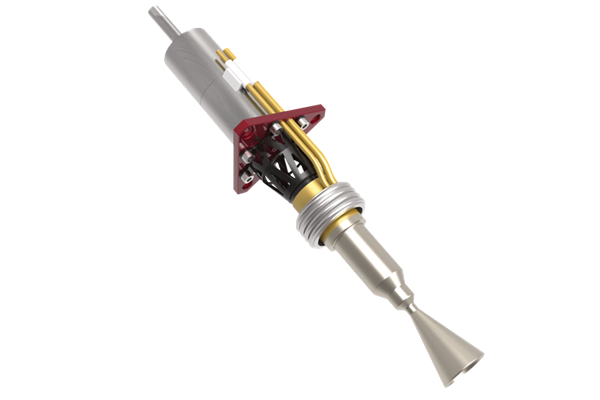
Rudra is Bellatrix Aerospace’s green monopropellant propulsion system designed as an environmentally friendly alternative to conventional hydrazine-based thrusters. Traditional hydrazine propulsion systems require extensive safety precautions due to toxicity, while Rudra utilizes safer propellant formulations to simplify ground handling and operational procedures. The Rudra system delivers reliable thrust performance suitable for satellite maneuvering, orbit maintenance and attitude control operations. By combining safer propellants with efficient propulsion architecture, Rudra enables spacecraft operators to achieve mission flexibility while reducing handling complexity and environmental risk during spacecraft integration and launch preparation.
Pushpak: Orbital Transport Vehicle
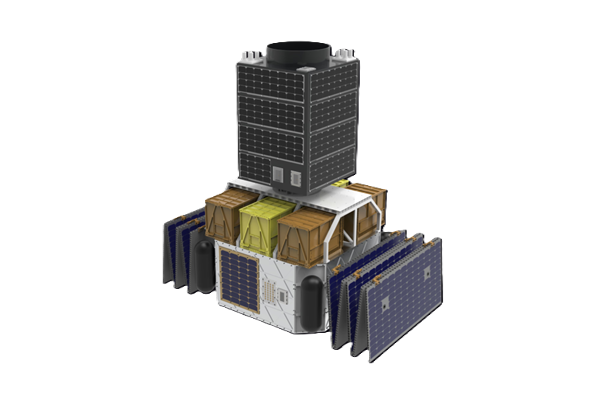
Pushpak is Bellatrix Aerospace’s Orbital Transport Vehicle (OTV) designed to provide in-space mobility services for satellites and payloads. The vehicle is engineered to transport satellites between orbital regimes, perform deployment operations and support constellation placement missions. Pushpak enables flexible orbital logistics by allowing payloads to be delivered to specific orbits after launch. This capability supports rideshare missions where satellites initially reach a common deployment orbit and later require repositioning to their operational locations. The vehicle’s propulsion architecture is designed to support precise orbital transfers, constellation deployments and other in-space transportation requirements.
Fingernail: Propulsion System for Nanosatellites
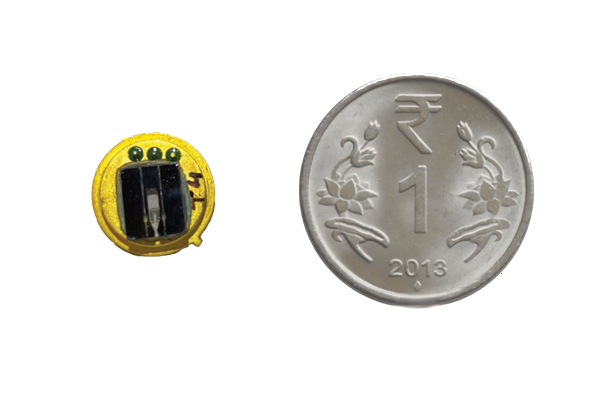
The Fingernail propulsion system is designed specifically for nanosatellite platforms such as CubeSats and other compact spacecraft. Small satellites traditionally operate without propulsion due to size and power constraints, limiting their ability to perform maneuvering or orbit control. Fingernail addresses this limitation by providing a compact propulsion solution designed for nanosatellite missions. The system enables orbital adjustments, formation flying and controlled de-orbiting capabilities, enhancing operational flexibility for small satellite constellations and research missions.
JAL: Microwave Plasma Thruster
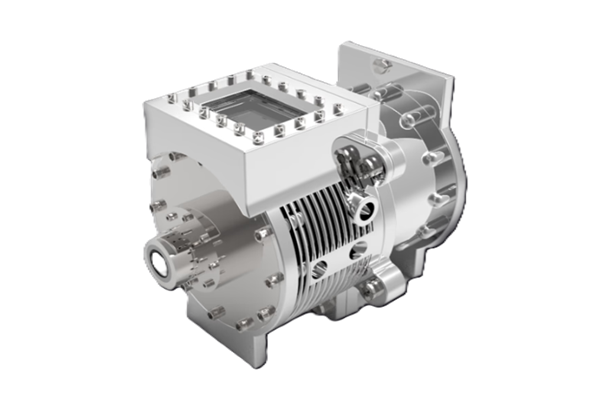
JAL is Bellatrix Aerospace’s microwave plasma thruster technology designed to provide electric propulsion using microwave energy to ionize propellant. This approach creates plasma that is accelerated to generate thrust, offering high efficiency and potential scalability for satellite propulsion. Microwave plasma thrusters provide advantages such as reduced electrode erosion and improved operational longevity compared to some conventional electric propulsion systems. The JAL propulsion concept is designed to support long-duration space missions where efficiency, reliability, and extended operational lifetimes are critical.
As satellite missions become increasingly complex and constellation deployments expand, propulsion systems play a central role in enabling maneuverability, orbital safety and mission longevity. Bellatrix Aerospace’s propulsion portfolio addresses these evolving requirements through a combination of electric propulsion, green chemical propulsion, nanosatellite thrusters and orbital transport solutions. By developing propulsion technologies designed for both large satellites and small spacecraft platforms, Bellatrix Aerospace supports a broad range of mission profiles across commercial, civil and defense sectors.
About Bellatrix Aerospace
Bellatrix Aerospace is an Indian space technology company specializing in advanced propulsion systems and in-space mobility solutions for satellites. Headquartered in Bengaluru, India, Bellatrix Aerospace develops propulsion technologies designed to support satellite maneuvering, orbit raising, station keeping and deep-space missions. The company’s product portfolio includes electric propulsion systems, green monopropellant thrusters and integrated propulsion modules developed for small satellites and larger spacecraft platforms. Bellatrix focuses on high-efficiency propulsion technologies such as Hall-effect thrusters and environmentally friendly propellant systems aimed at improving mission performance while reducing operational complexity. Through the propulsion solutions and in-space mobility technologies, Bellatrix Aerospace supports commercial satellite operators, space agencies and defense customers seeking reliable and efficient propulsion capabilities for modern satellite missions and next-generation space infrastructure.