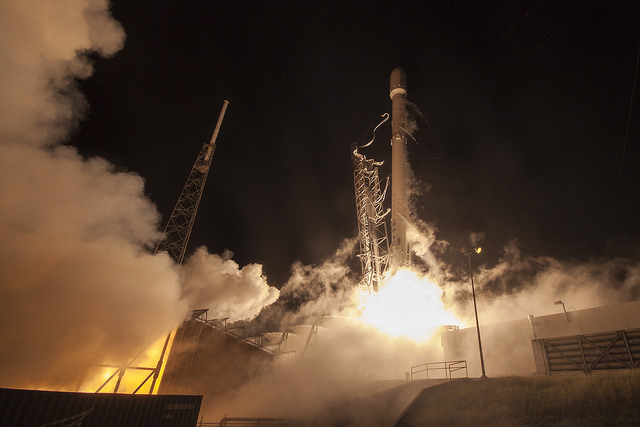
SpaceX’s Falcon 9 rocket is set for liftoff from Cape Canaveral on Tuesday, heading due east over the Atlantic Ocean to deliver the GovSat 1 communications satellite into orbit around 32 minutes later.
The 229-foot-tall (70-meter) rocket is poised for launch from pad 40 at Cape Canaveral Air Force Station in Florida at 4:25 p.m. EST (2125 GMT) Tuesday at the opening of a 141-minute launch window.
Perched atop the rocket is the GovSat 1 communications satellite, a spacecraft manufactured by Orbital ATK for a public-private joint venture named LuxGovSat founded by SES and the government of Luxembourg. GovSat 1’s military-grade X-band and Ka-band communications payload will support defense and security missions by Luxembourg and its NATO allies across Europe, Africa, the Middle East and adjacent waters.
The Falcon 9 rocket will fly with a reused first stage booster recovered after a launch May 1, 2017, with the National Reconnaissance Office’s classified NROL-76 payload. SpaceX does not plan to recover the Falcon 9’s first stage on the GovSat 1 mission.
The timeline below outlines the launch sequence for the Falcon 9 flight with GovSat 1.
Data source: SpaceX
T-0:00:00: Liftoff
After the rocket’s nine Merlin engines pass an automated health check, hold-down clamps will release the Falcon 9 booster for liftoff from pad 40.
T+0:01:10: Mach 1
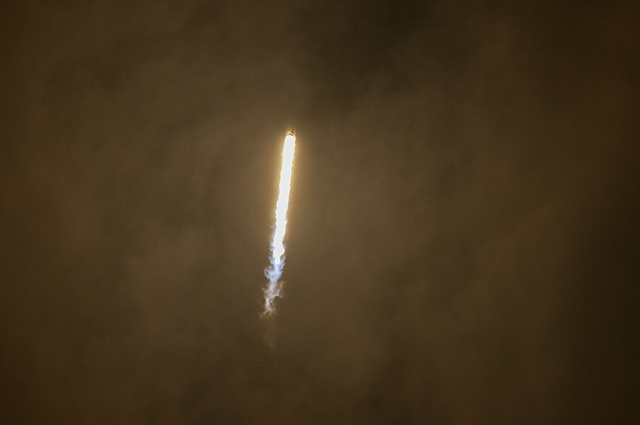
The Falcon 9 rocket reaches Mach 1, the speed of sound, as the nine Merlin 1D engines provide more than 1.7 million pounds of thrust.
T+0:01:18: Max Q
The Falcon 9 rocket reaches Max Q, the point of maximum aerodynamic pressure.
T+0:02:38: MECO
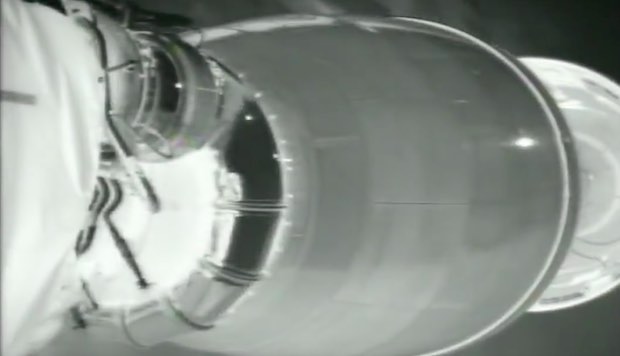
The Falcon 9’s nine Merlin 1D engines shut down.
T+0:02:40: Stage 1 Separation
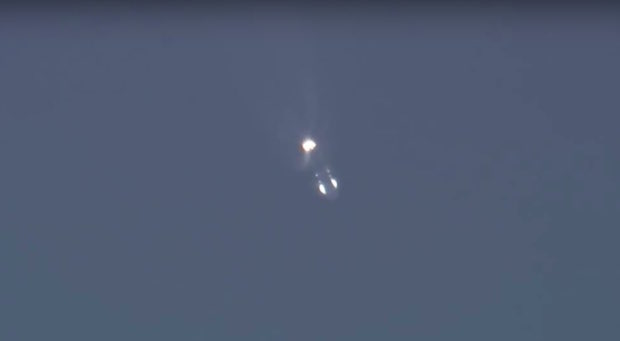
The Falcon 9’s first stage separates from the second stage moments after MECO.
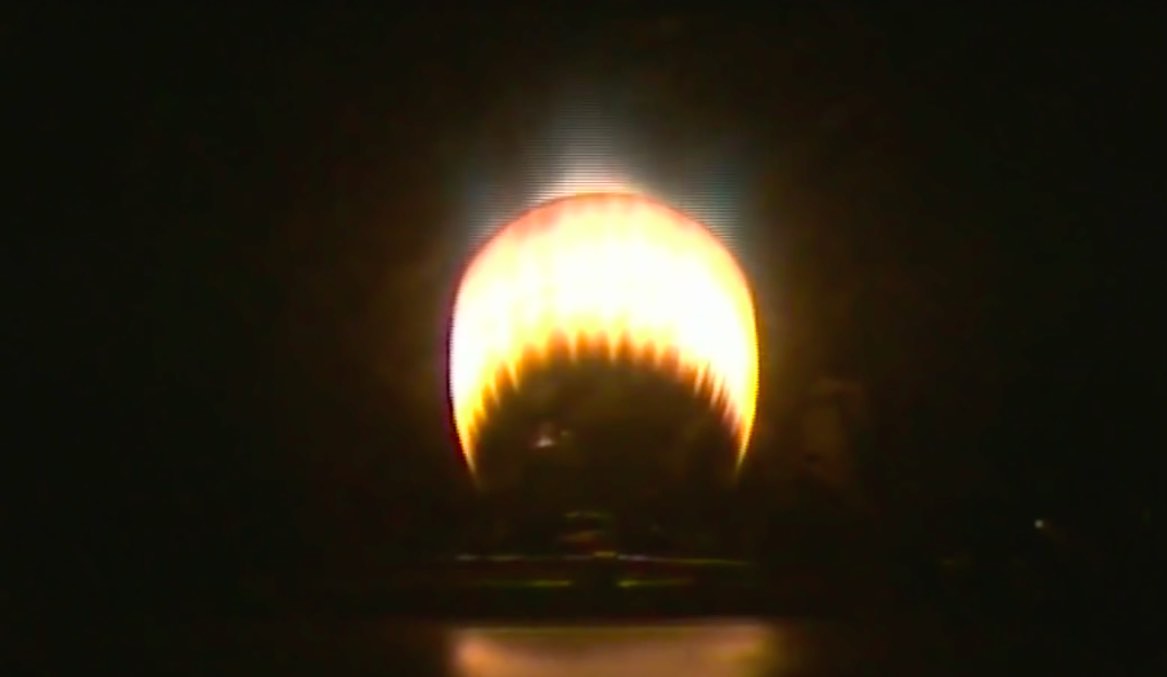
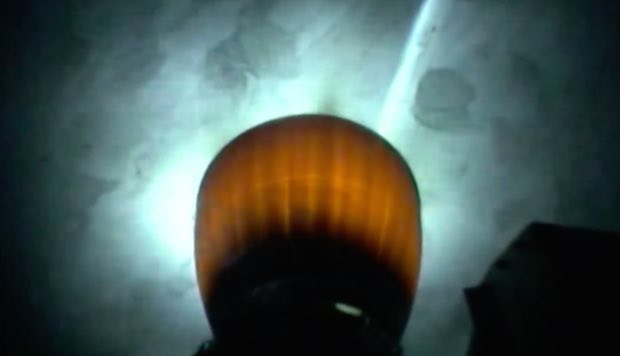
T+0:02:41: First Ignition of Second Stage
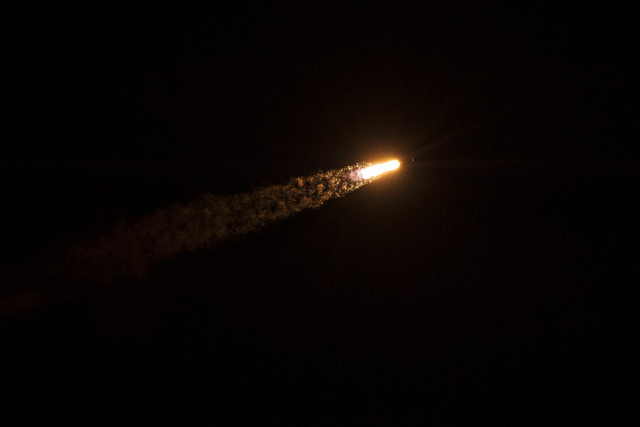
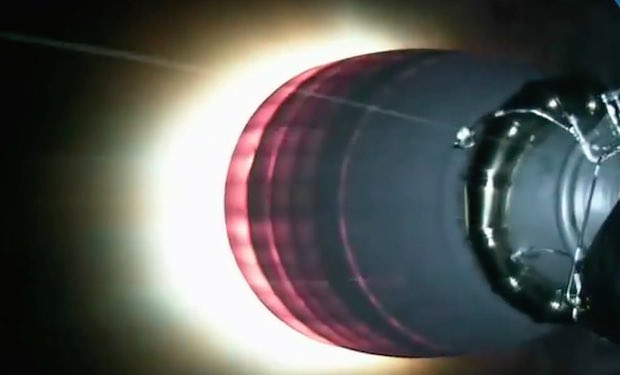
The second stage Merlin 1D vacuum engine ignites for a six-minute burn to put the rocket and GovSat 1 into a preliminary parking orbit.
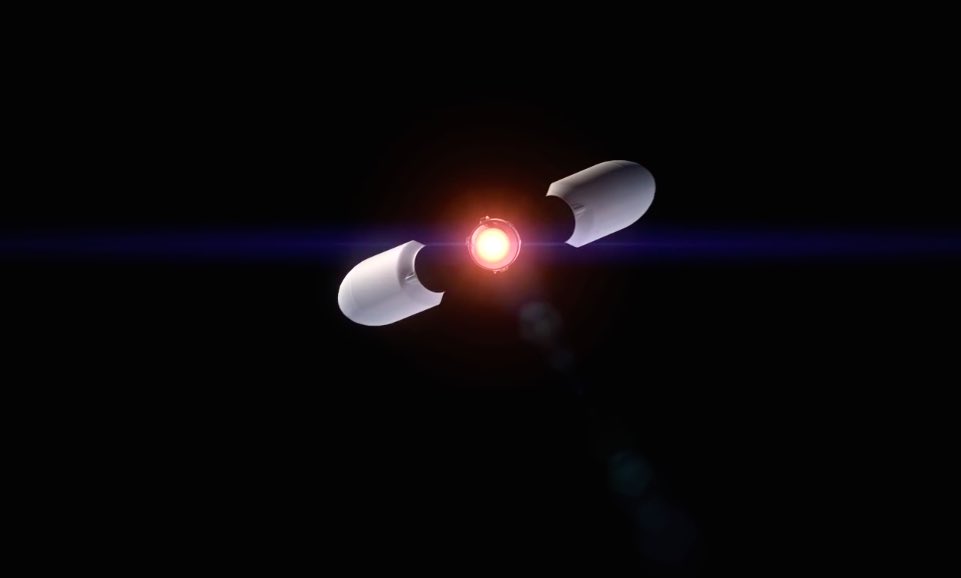
T+0:03:44: Fairing Jettison
The 5.2-meter (17.1-foot) diameter payload fairing jettisons once the Falcon 9 rocket ascends through the dense lower atmosphere. The 43-foot-tall fairing is made of two clamshell-like halves composed of carbon fiber with an aluminum honeycomb core.
T+0:08:35: SECO 1
The second stage of the Falcon 9 rocket shuts down after reaching a preliminary low-altitude orbit. The upper stage and GovSat 1 begin a coast phase scheduled to last more than 18 minutes before the second stage Merlin vacuum engine reignites.
T+0:26:40: Second Ignition of Second Stage
The Falcon 9’s second stage Merlin engine restarts to propel the GovSat 1 communications satellite into a supersynchronous transfer orbit.
T+0:27:48: SECO 2
The Merlin engine shuts down after a short burn to put the GovSat 1 satellite in the proper orbit for deployment.
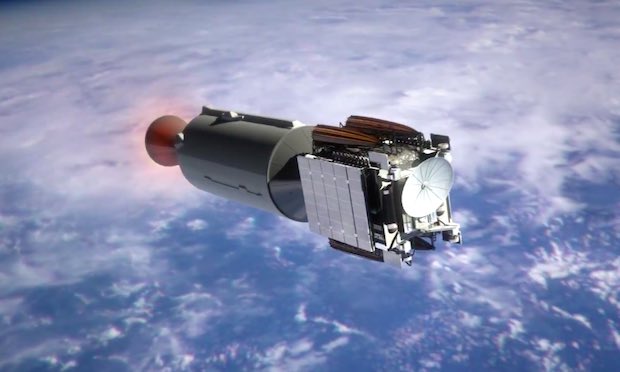
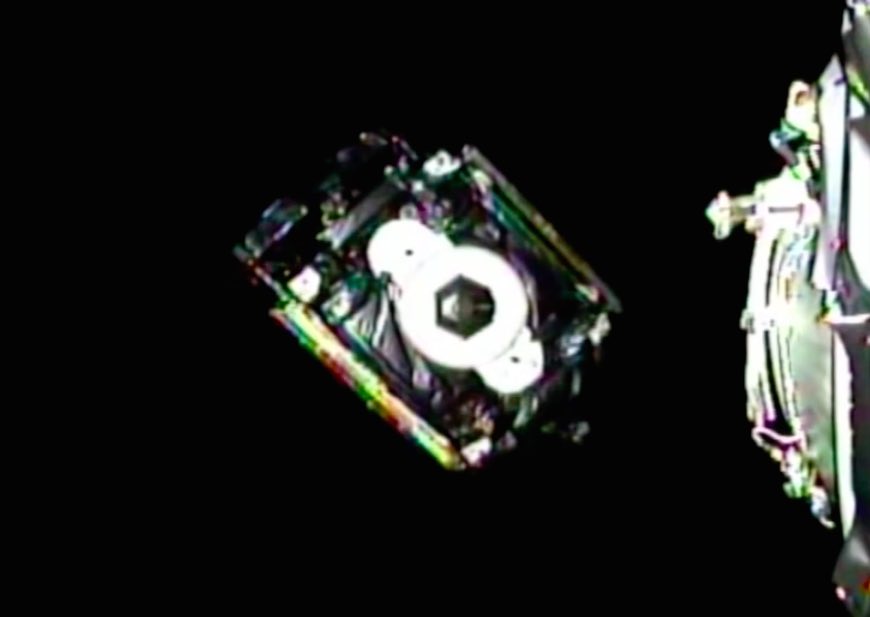
T+0:32:19: GovSat 1 Separation
The GovSat 1 satellite separates from the Falcon 9 rocket in a supersynchronous transfer orbit.
References to third-party companies, products, services, or projects are for informational purposes only and do not imply endorsement, affiliation, or partnership unless explicitly stated.