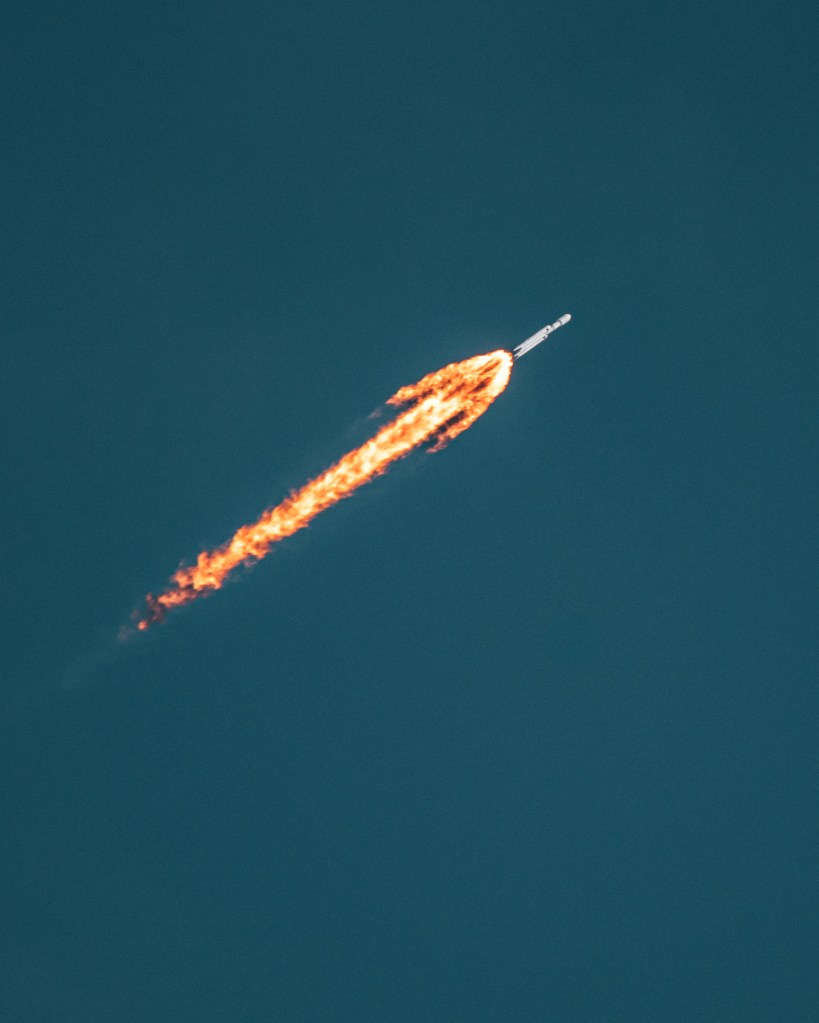
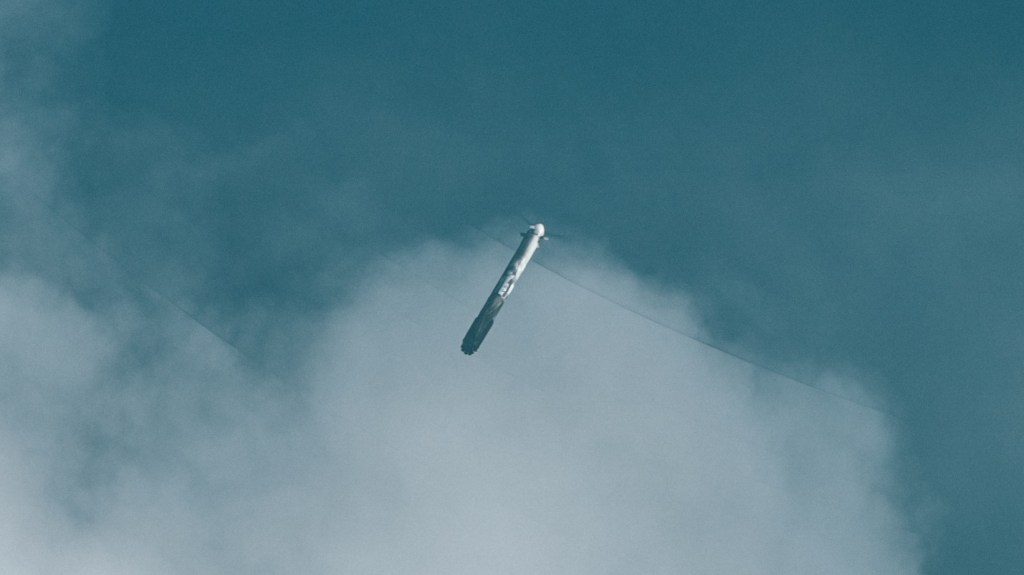
The Falcon Heavy vehicle has the capability to land all three boosters for reuse, however, this mission was the first to intentionally expend the center core booster for additional performance. As a result, this flight’s core stage lacked landing legs and grid fins which would be used to land the booster. Over the three previous flights of Falcon Heavy, none have successfully recovered the center core booster. The maiden launch impacted the ocean as the engines were unable to relight for landing. The launch of Arabsat-6A was able to land the booster, however, the booster was tipped over by “eight to ten-foot swells,” according to a SpaceX spokesperson. Normally a robot known as the “octograbber” would position itself under a booster and secure it, however, the Falcon Heavy core was incompatible with the robot’s securing points, preventing it from being used. As a result of the swells, the booster was tipped over in transit back to Cape Canaveral and was lost. The following mission, USAF STP-2, also impacted the ocean like the 1st launch, with reports that the stage missed the drone ship it was intended to land on.
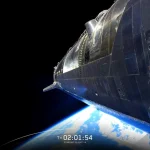
A unique addition to Falcon Heavy for this mission is the gray band along the upper stage of the vehicle. This change was made to allow more sunlight to be absorbed to warm the kerosene rocket fuel. The concern is that the kerosene fuel could begin to freeze during the long coast between burns, and as a result, become a slushy mixture fuel in both a liquid and solid state. The fuel partially freezing could prevent the upper stage’s Merlin vacuum engine from reigniting or otherwise damaging the engine.

The next upcoming mission for Falcon Heavy is Viasat-3, with the Arcturus satellite co-manifested, currently planned for December 2022.