The United States’ space and energy agencies have renewed their commitment to jointly develop a nuclear fission power system for use on the Moon and future missions to Mars, reinforcing plans to provide sustained energy for long-duration human exploration beyond Earth.
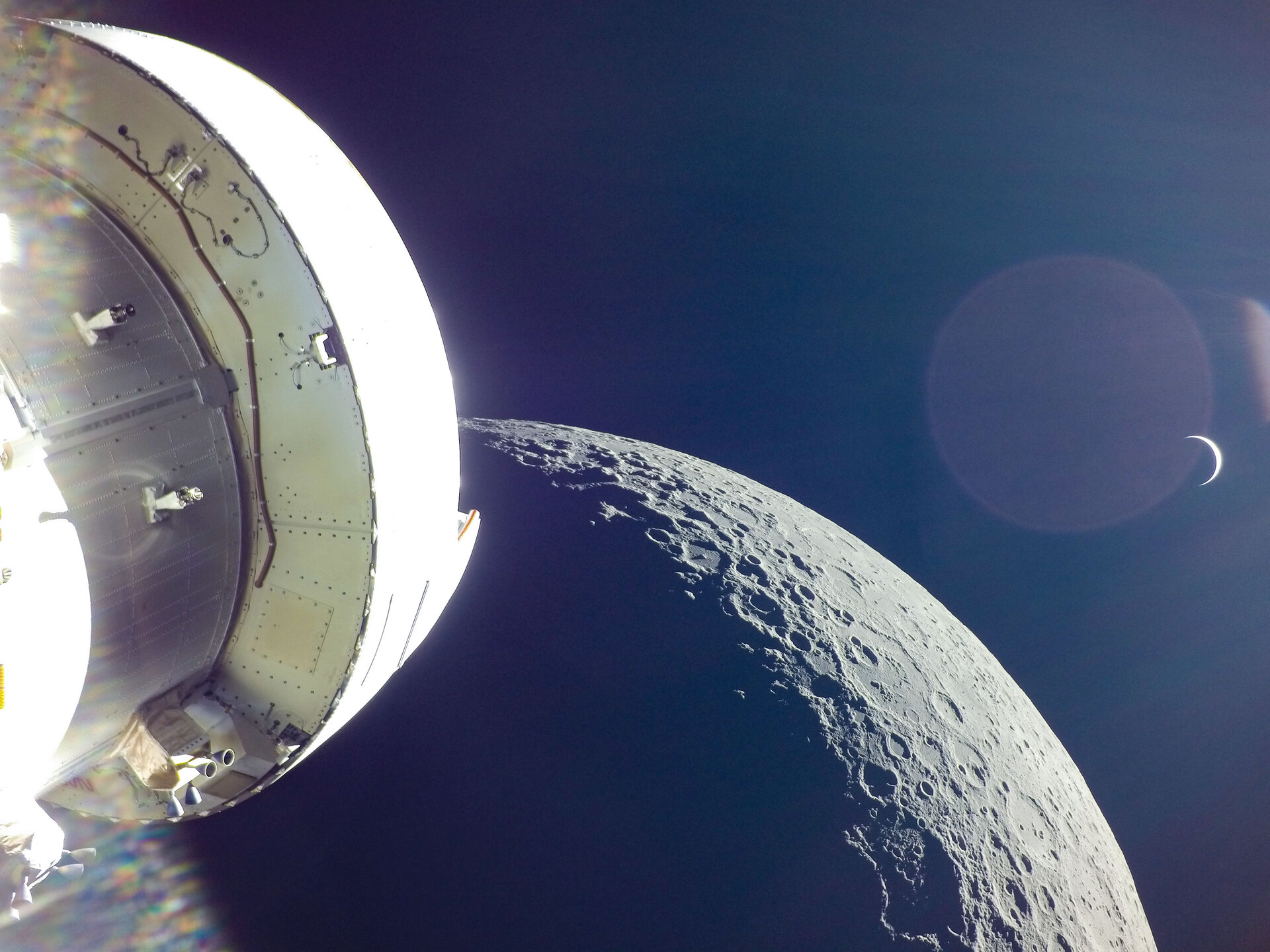
The National Aeronautics and Space Administration and the U.S. Department of Energy said they recently signed a memorandum of understanding to formalize cooperation on space nuclear power, aligning with an executive order signed by U.S. President Donald Trump on Dec. 18 that calls for strengthening American leadership in space. The order prioritizes returning astronauts to the Moon by 2028 under the Artemis program and deploying nuclear reactors on the lunar surface and in orbit, including a surface reactor by 2030.
“Under President Trump’s national space policy, America is committed to returning to the Moon, building the infrastructure to stay, and making the investments required for the next giant leap to Mars and beyond,” said Jared Isaacman, administrator of NASA. “Achieving this future requires harnessing nuclear power. This agreement enables closer collaboration between NASA and the Department of Energy to deliver the capabilities necessary to usher in the Golden Age of space exploration and discovery.”
The agencies said they expect to deploy a fission surface power system capable of generating continuous electricity for years without refuelling, allowing lunar missions to operate independently of sunlight and extreme temperature swings. Such a system would support long-term human presence on the Moon and serve as a stepping stone for Mars exploration.
“History shows that when American science and innovation come together, from the Manhattan Project to the Apollo Mission, our nation leads the world to reach new frontiers once thought impossible,” said Chris Wright, secretary of the U.S. Department of Energy. “This agreement continues that legacy.”
Nuclear fission is one of two primary power generation options evaluated in NASA’s 2025 Integrated Lunar Power Strategy Considerations White Paper, alongside solar energy. The paper forms part of NASA’s Moon to Mars Architecture, which outlines the systems required for sustained, human-led scientific exploration in deep space.
In 2022, NASA selected three design concepts for a 40-kilowatt nuclear fission power system designed to operate for at least 10 years on the Moon, awarding $5 million in funding to each project under the Artemis campaign. The renewed agreement signals an effort to accelerate development and integration of such systems into future missions.