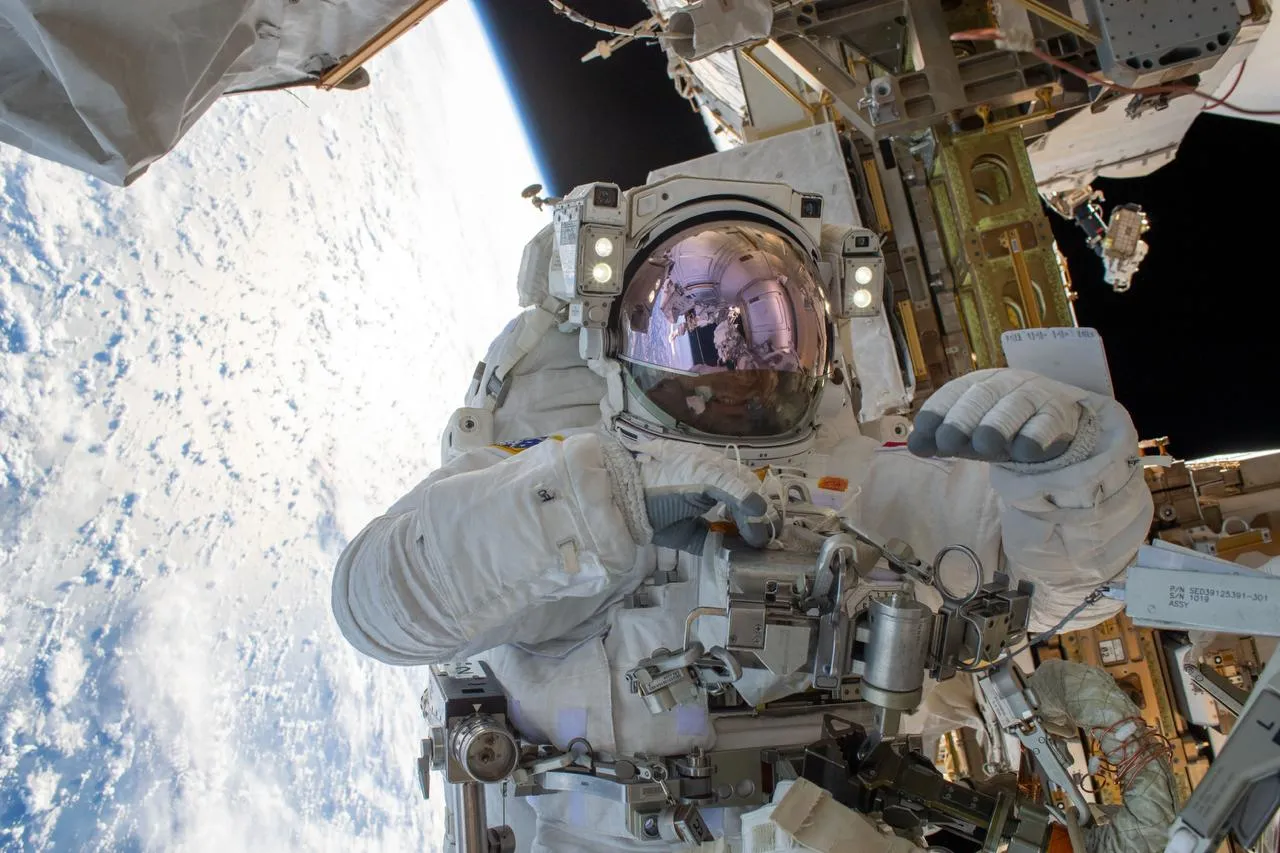
The call comes as NASA frames the coming period as one of expanded human exploration. The next generation of astronauts will train to operate on the lunar surface, live and work beyond Earth, and take on missions the agency says will push the boundaries of human exploration farther than ever before. NASA last opened applications in 2024, selecting 10 astronaut candidates in 2025 from more than 8,000 applicants. That class is currently completing nearly two years of training.
NASA Administrator Jared Isaacman said the people selected could walk on the Moon, live and work at the Moon Base, and help pioneer the systems and operations that will ultimately carry crews to Mars. “Those missions will demand technical excellence, sound judgment, teamwork, and courage,” he said. Deputy Administrator Matt Anderson said the window is open and the mission is waiting.
Since the 1960s, NASA has selected 370 people to train as astronaut candidates. The agency currently has 32 astronauts active in the corps, and those selected will join their ranks to study spacewalking, lunar geology, operations of high-performance aircraft, and more. Selected candidates will be based at Johnson Space Center in Houston.
Applicants must hold U.S. citizenship and a master’s degree in a STEM field such as engineering, biological science, physical science, or computer science from an accredited institution. The degree requirement can also be met through at least two years of work toward a doctoral program in an appropriate technical field, a medical degree, or completion of or current enrollment in a nationally recognized Test Pilot School program completed by July 2027. Candidates must have at least three years of related professional experience after their qualifying degree. For pilots, that experience may be met with 750 hours of pilot-in-command time in high-performance jet aircraft, 1,500 total flight hours in other fixed-wing aircraft including 750 as pilot in command, or 1,000 total hours in rotary-wing aircraft including 300 as pilot in command. Medical doctors may count residency training completed by July 2027. All candidates must pass NASA’s long-duration astronaut flight physical and demonstrate leadership, teamwork, and communication skills.
Chief astronaut Scott Tingle, who chairs the Astronaut Selection Board at Johnson Space Center, said becoming a NASA astronaut is more than a career opportunity. “It is a chance to join a legacy of explorers who have pushed the boundaries of discovery and play a role in the missions that will shape humanity’s future in space,” he said, adding that the next class could help write history while inspiring future scientists, engineers, and explorers.
NASA says it will send astronauts on increasingly difficult missions near the lunar South Pole, establish an enduring human presence on the lunar surface, and build toward the first crewed mission to Mars through its Artemis program.
Applications close December 3, 2026, with final selection expected in late 2027, when candidates will begin training as the next astronaut class.