The selection, announced on 2 July, follows a series of moves by Planet to deepen its German presence. In July 2025, the German government awarded Planet a €240 million multi-year contract to provide dedicated capacity from its Pelican satellites over specific European regions. In September 2025, the company announced it would break ground on a new satellite manufacturing facility in Berlin to build its Pelican satellites.
The strategic launch agreement includes provisions for additional satellites to be carried aboard future launches. “Germany has set out an ambitious space agenda. Planet and Isar Aerospace are responding to the moment and delivering a first for the country: both satellite and rocket built in Germany,” said Martin Polak, Managing Director of Planet Labs Germany. “Most excitingly, our joint teams have set an ambitious goal to do this first launch within less than 12 months of agreement.”
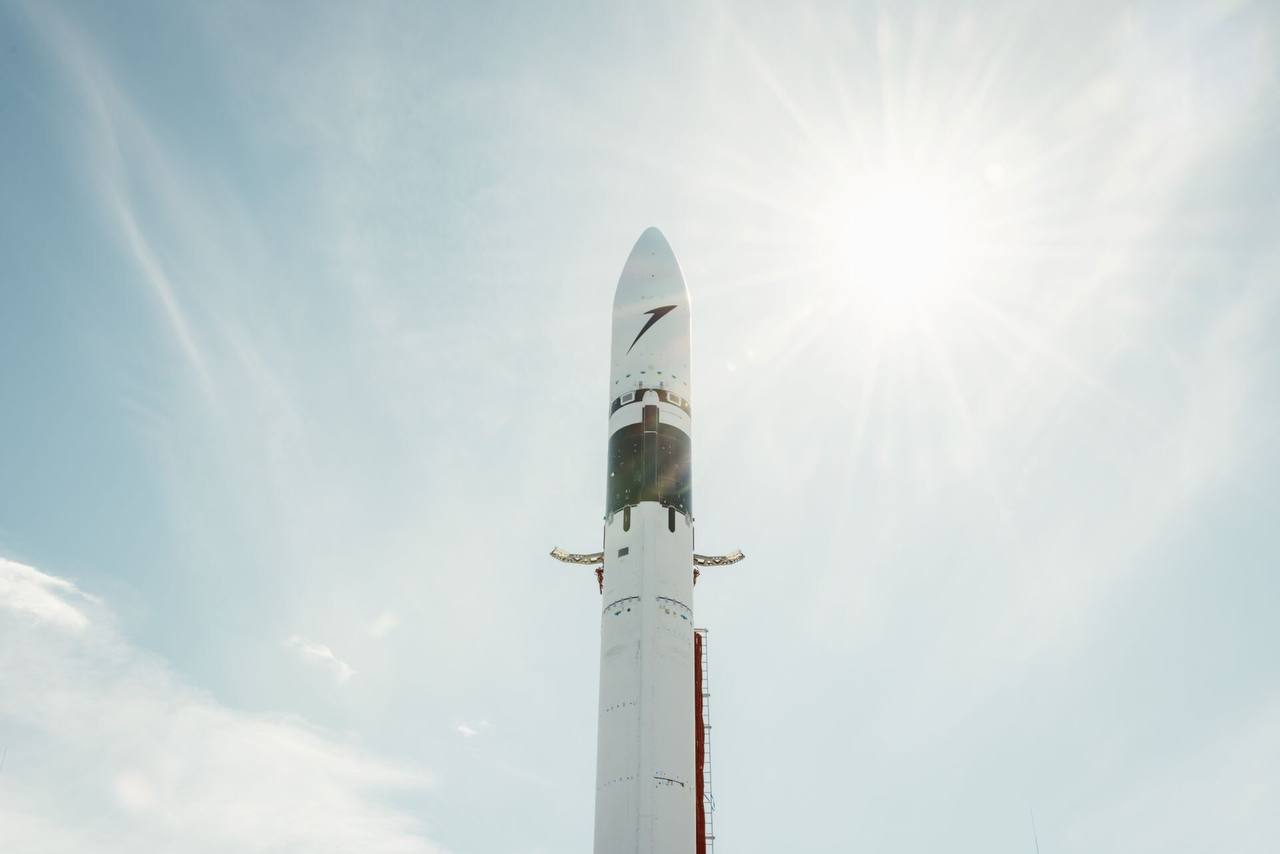
Isar Aerospace is currently working toward its second Spectrum launch after the first test flight ended in less than a minute, with the rocket crashing into the water metres from the launchpad. The company scrubbed its initial attempt at a second Spectrum flight in January because of a problem with a pressurisation valve. A second attempt in March was stopped seconds before liftoff after an unauthorised vessel entered the maritime danger zone. Attempts in April and June were abandoned because of a leak in a composite overwrapped pressure vessel and off-nominal behaviour in the rocket’s fluid systems, respectively. Isar has not said when it plans to return to the launchpad.
Planet’s expansion in Germany comes as the country has committed €35 billion to space-related defence projects by 2030, a figure announced by Defence Minister Boris Pistorius on 25 September 2025. A key goal of that spending is to acquire reconnaissance capabilities, an area where Planet already has a foothold, with its €240 million German government contract and a separate monitoring agreement with NATO signed in 2025.
The two companies describe the arrangement as delivering an end-to-end domestic space capability for Germany, with a German-built satellite carried by a German-built launch vehicle. The launch is planned within 12 months of the agreement, potentially as early as late 2026.
Isar Aerospace has not confirmed when it will return to the launchpad for its second Spectrum test flight, a milestone that will precede the Planet mission.