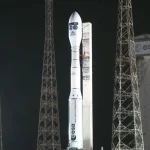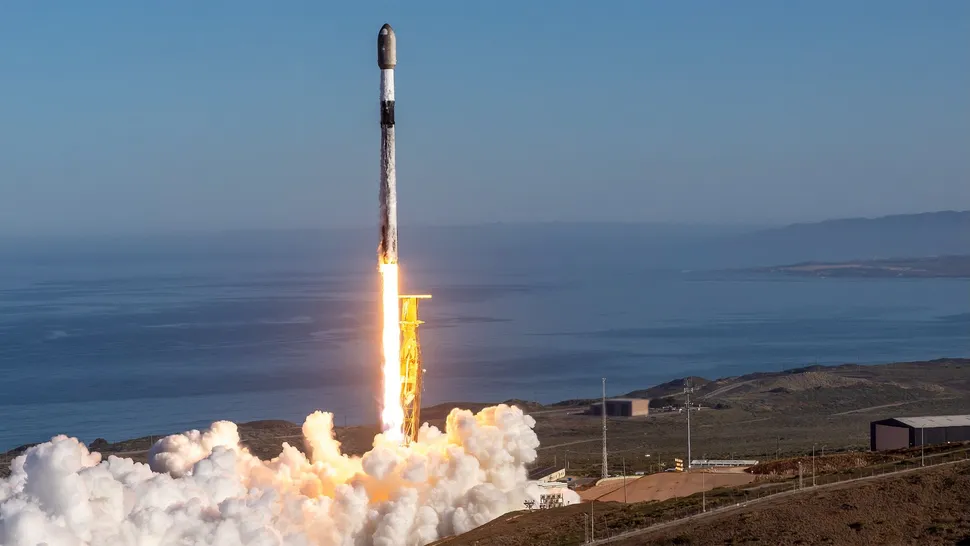
SpaceX is preparing to launch the classified USSF-259 mission for the U.S. Space Force from Vandenberg Space Force Base in California on September 16, marking the company’s second national security flight from the base in six days. A Falcon 9 is scheduled to lift off from Space Launch Complex 4 East during a four-hour window opening at 9 p.m. EDT, or 6 p.m. local time and 0100 GMT on September 17.
The mission’s payload, operational purpose and target orbit have not been publicly disclosed. SpaceX is expected to begin its launch webcast approximately 10 minutes before liftoff, but coverage will likely end shortly after the rocket’s first stage lands, a standard practice for missions carrying classified U.S. government payloads.
Following stage separation, the Falcon 9 first stage is scheduled to return to the Pacific Ocean and land on a SpaceX drone ship about eight and a half minutes after launch. The recovery attempt will provide the principal publicly visible milestone before the mission enters a communications blackout.
The first stage assigned to USSF-259 is booster B1097, which is flying for the 13th time. Its previous missions include the Sentinel-6B ocean-monitoring satellite, the Twilight mission, the classified NROL-172 flight, the Transporter-17 rideshare mission and eight launches supporting SpaceX’s Starlink broadband constellation.
B1097 also completed SpaceX’s 600th landing of an orbital-class rocket booster in April 2026 after launching 25 Starlink satellites into low Earth orbit. Its assignment to USSF-259 illustrates the growing acceptance of flight-proven hardware for U.S. national security missions, where vehicle certification, schedule reliability and mission assurance requirements have historically limited the use of previously flown stages.
Second Classified Launch in Six Days
USSF-259 follows the September 10 launch of USSF-153, another classified Space Force mission flown by a Falcon 9 from Vandenberg. That mission lifted off from the same launch complex and concluded its publicly broadcast phase after the first-stage recovery.
The two launches within six days demonstrate the operational cadence SpaceX can provide for national security customers from the Western Range. Vandenberg is particularly suited to missions targeting polar and high-inclination trajectories because rockets can fly south over the Pacific Ocean without passing over heavily populated areas.
The rapid sequence also reflects the increasing use of commercial launch services to deploy military spacecraft. Although the Space Force has not identified the USSF-259 payload or its destination, the mission forms part of a broader shift toward more frequent launches and distributed orbital architectures. These architectures can place capabilities across larger numbers of satellites, reducing reliance on a small fleet of expensive spacecraft and allowing military operators to replenish or expand constellations more quickly.
Any assessment of the payload’s identity remains speculative unless confirmed by the Space Force or another responsible government organization. The limited webcast and absence of published orbital details are therefore consistent with established procedures for classified national security missions.
Falcon 9 Dominates SpaceX’s 2026 Manifest
USSF-259 is scheduled to become SpaceX’s 110th launch of 2026. Falcon 9 has conducted 105 of those missions, reinforcing its role as the company’s primary vehicle for commercial, civil and national security payloads.
Falcon Heavy has launched twice during the year, while SpaceX has also conducted two suborbital Starship test flights. The next Starship mission is expected within two weeks and is planned to attempt the vehicle’s first orbital flight.
For USSF-259, the next confirmed milestones are liftoff from Vandenberg, separation of the two Falcon 9 stages and B1097’s attempted 13th landing. Deployment details and confirmation that the classified payload has reached its intended orbit may remain undisclosed.