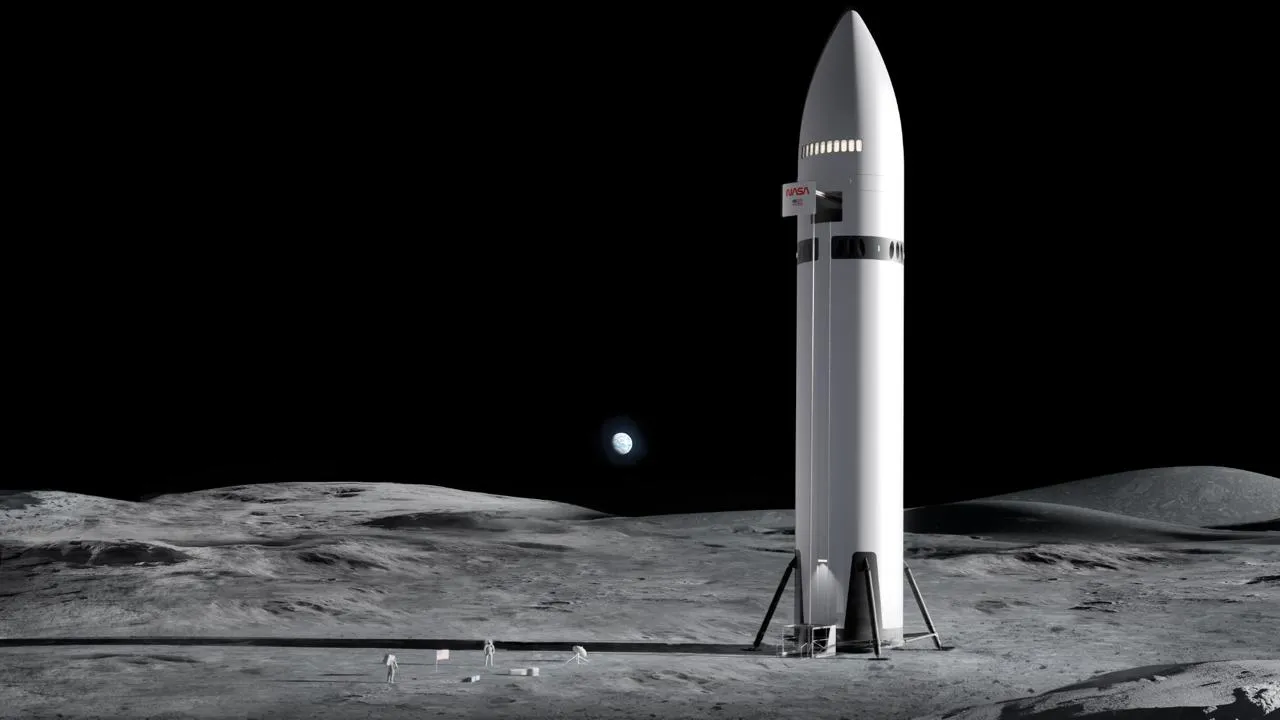
Starship is one of two vehicles competing to become the first craft NASA uses to land humans on the Moon, an objective the agency has targeted for as early as 2028. Blue Origin is developing the competing lander. The engine failure was tied to a Starship test campaign, and it reads directly through to the Artemis timeline.
The failure landed on a vehicle designed in part to carry large payloads and now sitting at the center of the crewed lunar landing effort. A propulsion problem on that vehicle feeds directly into schedule risk on the program. It also strengthens the case made by those who argue NASA needs a credible backup, a point sharpened by NASA reinvesting in Boeing hardware elsewhere at the same time.
For NASA, the risk is straightforward. Starship is one of two paths to a 2028 landing, and the competing lander from Blue Origin is itself years from flight. If Starship slips, the agency’s insurance on that date rests on a program that has not yet flown.
What to watch is how the Starship test campaign proceeds following the engine failure and whether NASA adjusts its Artemis landing objectives in response.