Turion Space, a rapidly emerging aerospace and satellite technology company focused on autonomous space operations, is strengthening the position in the evolving commercial and defense space sectors through the development of advanced spacecraft software, high-performance satellite platforms and next-generation electric propulsion systems. Headquartered in Irvine, the company is building a vertically integrated ecosystem designed to support orbital logistics, satellite maneuverability, space domain awareness, debris mitigation and long-duration space missions.
Turion Space is focusing on technologies that enable spacecraft autonomy, intelligent decision-making and sustainable orbital operations. The company’s core portfolio includes the AI-enabled StarfireOS spacecraft operating system, the modular DROID satellite platform and the advanced Turion Ion Engine (TIE-20) electric propulsion system. These technologies are intended to support a broad range of commercial, government and defense-oriented missions in Low Earth Orbit (LEO), Geostationary Orbit (GEO) and deep-space environments.
StarfireOS for Autonomous and AI-Driven Spacecraft Operations
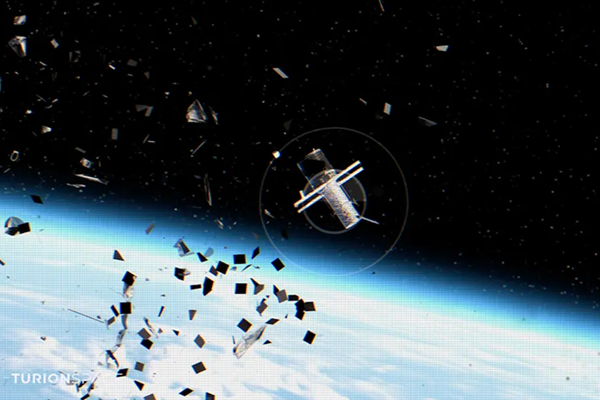
At the center of Turion Space’s software ecosystem is StarfireOS, an advanced spacecraft operating system engineered to deliver real-time intelligence, automation and operational flexibility for modern satellite missions. The platform is designed specifically for mission-critical space applications, enabling spacecraft operators to manage assets with increased precision, responsiveness and reliability. StarfireOS incorporates AI-driven automation to accelerate mission analysis and operational decision-making. The software architecture supports real-time spacecraft monitoring, trajectory optimization, autonomous mission execution and adaptive risk mitigation, helping operators respond more effectively in dynamic orbital environments. Turion Space has developed StarfireOS with a modular software architecture consisting of multiple integrated software components, each paired with dedicated user interfaces and API libraries. This design allows customers to either utilize the native StarfireOS interface or integrate APIs directly into existing mission control frameworks and operational infrastructures. The flexible integration capability enables compatibility across different spacecraft platforms, payload systems and mission architectures. One of the defining advantages of StarfireOS is its ability to reduce operational overhead through intelligent automation. By automating routine monitoring and operational tasks, the platform minimizes the need for constant manual oversight while improving mission efficiency and reducing long-term operational costs. The operating system is also designed to support orbital logistics, real-time object tracking and future space debris removal operations. AI-driven analytics within the system can process mission data rapidly, enabling faster situational awareness and decision-making during high-stakes operations. StarfireOS continuously evaluates spacecraft trajectories and operational parameters to improve mission resilience and enhance long-term mission survivability. Turion Space emphasizes interoperability as a major component of StarfireOS, enabling seamless cross-system integration across multiple satellite architectures. This approach provides operators with increased mission flexibility while supporting both commercial and defense-oriented space applications.
DROID Satellites for Autonomous Multi-Mission Space Operations
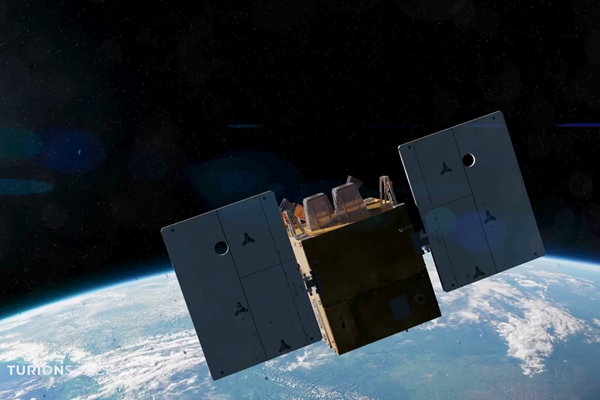
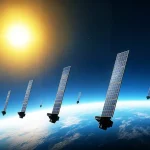
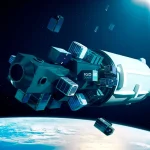
Turion Space’s DROID satellite platform, a new generation of autonomous spacecraft engineered for high-performance, multi-mission operations across commercial, governmental and defense sectors. The DROID satellite architecture is designed to support a diverse range of space missions, including orbital logistics, communications, real-time tracking, proximity operations, debris mitigation and Earth observation. The satellites are optimized for long-duration missions and are engineered to operate across multiple orbital regimes, ranging from Low Earth Orbit to Geostationary Orbit and beyond. Turion Space has integrated advanced propulsion technologies and autonomous operational capabilities into the DROID platform to maximize maneuverability and long-term operational efficiency. The satellites are designed to support complex orbital maneuvers while maintaining mission flexibility in congested or dynamic orbital environments. A major advantage of the DROID platform is the multi-mission capability, enabling a single spacecraft architecture to support multiple operational objectives. This modularity reduces the need for mission-specific spacecraft redesigns while improving scalability for customers seeking adaptable orbital platforms. The company has also incorporated AI-driven automation into DROID satellite operations to improve spacecraft autonomy and reduce operational complexity. Through integration with StarfireOS, DROID satellites can support autonomous collision avoidance, intelligent mission planning and adaptive orbital maneuvering. Turion Space positions the DROID platform as a cost-effective solution for next-generation space missions by combining efficient propulsion, software automation and scalable spacecraft design. The company’s emphasis on sustainable space operations further aligns with broader industry efforts to improve orbital safety and reduce the long-term impact of space debris. The DROID architecture is also intended to support future in-space servicing and orbital logistics missions, areas expected to become increasingly important as governments and commercial operators for more persistent and flexible space infrastructures.
TIE-20 Electric Propulsion System for High-Efficiency Orbital Mobility
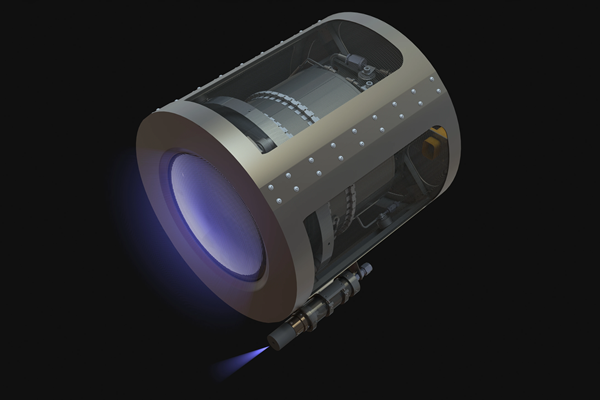
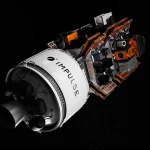
Turion Space is also advancing spacecraft propulsion technology through the development of the Turion Ion Engine (TIE-20), a high-efficiency electric propulsion system designed for precision orbital maneuvering and extended-duration missions. Developed in partnership with Desert Works Propulsion, the TIE-20 is a krypton-optimized Gridded Ion Thruster (GIT) that leverages heritage technologies originally developed by NASA for the historic Deep Space 1 and Dawn missions. The propulsion system combines the traditional advantages of Gridded Ion Thrusters including high specific impulse and extended operational lifetime with thrust density characteristics commonly associated with Hall-Effect Thrusters. According to Turion Space, this hybridized performance profile enables the TIE-20 to deliver improved efficiency, enhanced reliability and long operational endurance compared to many conventional electric propulsion systems. The TIE-20 system is engineered to provide precise low-thrust propulsion for orbital adjustments, station-keeping, rendezvous operations and deep-space trajectory optimization. The use of krypton propellant offers an additional economic advantage, as krypton is generally more cost-effective than xenon while still supporting efficient electric propulsion performance. Turion Space is positioning the TIE-20 as a propulsion solution capable of supporting both current and future spacecraft requirements, including autonomous orbital servicing missions, long-endurance satellites and maneuver-intensive space operations. The system’s design focus on reliability and operational longevity makes it particularly relevant for spacecraft operating in increasingly complex orbital environments. By combining advanced propulsion technology with intelligent software systems and autonomous spacecraft platforms, Turion Space is working toward a more integrated approach to space mobility and orbital operations.
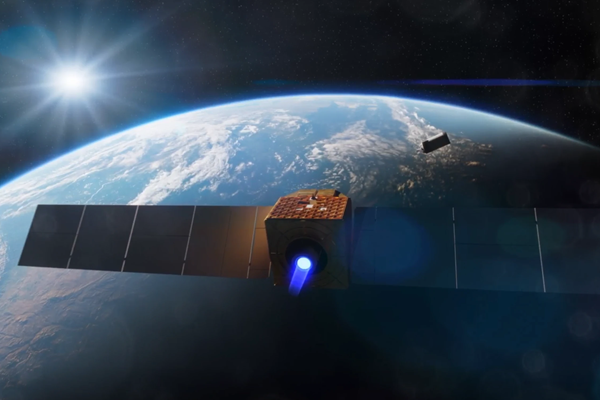
Through StarfireOS, DROID satellites and the TIE-20 propulsion system, Turion Space is developing a tightly integrated ecosystem aimed at supporting the next phase of commercial and defense space operations. The company’s focus on autonomous mission execution, AI-driven decision-making, scalable satellite platforms and sustainable orbital operations reflects broader industry trends toward intelligent and resilient space infrastructure. As satellite constellations expand and orbital activity becomes increasingly complex, technologies that improve maneuverability, automation and space sustainability are expected to play a critical role in future mission architectures. Turion Space’s portfolio demonstrates the company’s strategy of combining software intelligence, spacecraft autonomy and advanced propulsion into unified operational capabilities.
About Turion Space
Turion Space is a space technology company headquartered in Irvine focused on autonomous spacecraft operations, satellite systems, orbital logistics and electric propulsion technologies. The company develops integrated solutions for commercial, government and defense space missions, with capabilities spanning spacecraft software, satellite platforms and propulsion systems. Turion Space’s portfolio includes the StarfireOS spacecraft operating system, the DROID satellite platform and the Turion Ion Engine (TIE-20) electric propulsion system. These technologies are designed to support applications such as space domain awareness, orbital maneuvering, debris mitigation, autonomous satellite operations and long-duration missions in Low Earth Orbit (LEO), Geostationary Orbit (GEO) and deep space environments. The company focuses on combining AI-driven automation, scalable spacecraft architectures and advanced propulsion technologies to support efficient and adaptable space operations. Turion Space is also working on technologies related to orbital sustainability, collision avoidance and future in-space servicing and logistics missions.